
Trees
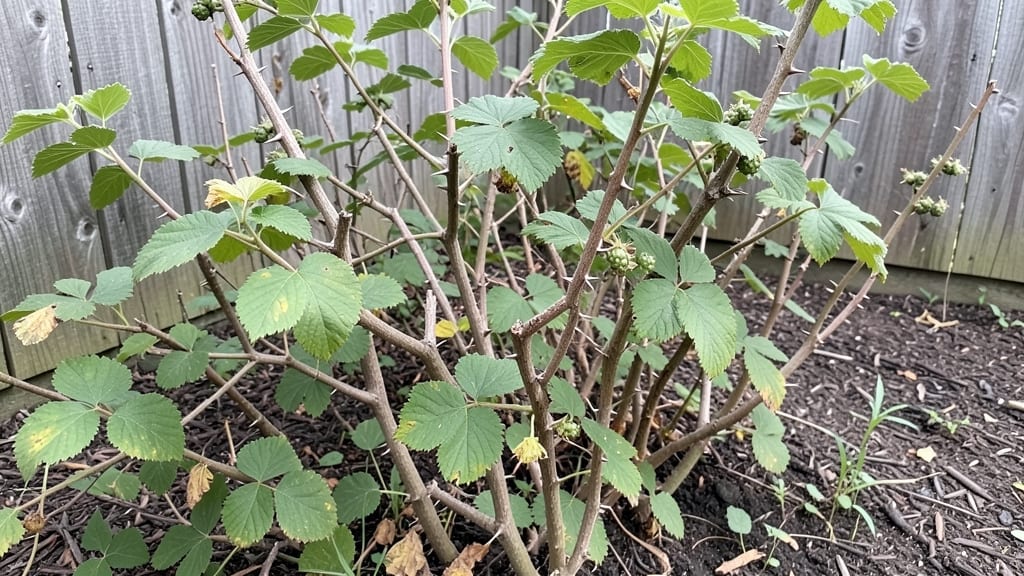
Growing a brown berry tree from seed means waking up to fragrant white blossoms in just 60 days—if you master the cold-stratification trick. 🌱 I’ve struggled with finicky berry trees before, but this method transformed my late-winter garden into a cloud of sweet-scented blooms by spring.
The key isn’t just patience; it’s knowing how to trick seeds into thinking they’ve survived a northern winter before they even sprout.
These trees thrive in full sun to partial shade and adapt to almost any soil, though they reward you best in well-draining, slightly acidic earth. My first batch of seedlings took root in a 50/50 mix of potting soil and sand—simple, but critical for avoiding root rot.
Once planted, they grow 6 to 12 feet tall, making them perfect for hedges or standalone statement plants in larger yards.
By late summer, you’ll harvest clusters of small, edible berries that birds adore but can also be used in jams or teas. The real magic happens in spring, when the entire tree bursts into snow-white blossoms that smell like almonds.
Prune in late winter to shape the tree, and watch it bounce back stronger every year.
Works in USDA Zones 3-7, so whether you’re in a cold northern climate or a milder zone, this tree delivers four seasons of interest. The secret to success? Cold stratification, consistent moisture, and a little winter patience. Let’s get those seeds blooming!
Root Causes Of Browning Berries
Understanding why your berry tree’s fruit turns brown is the first step to saving your harvest. Browning berries often signal underlying issues—some preventable, others tied to natural growth cycles. Below, we break down the key triggers and why they happen, so you can take targeted action.
Cold stratification is a must for many berry trees (like elderberry, blackberry, or raspberry) to trigger blooming and fruit development. Without it, buds may form but fail to produce viable fruit, leading to brown, shriveled berries.
Why it happens:
- Lack of winter chilling hours (typically 600–1,000 hours below 45°F/7°C).
- Unripe buds that didn’t fully mature before dormancy.
- Improper storage (e.g., keeping seeds/roots in warm conditions before planting).
Actionable fix:
- For bare-root trees: Plant in fall or early winter to let nature handle stratification.
- For potted trees: Refrigerate potted plants in a garage or unheated shed for 6–8 weeks before transplanting.
- For seeds: Mix with damp sand and store in a zip-top bag in the fridge for 30–90 days.
Berry trees are sensitive to heat spikes and pollination failures, both of which can cause berries to brown prematurely.
Why it happens:
- Extreme heat (above 90°F/32°C) stops pollen production in male flowers, leading to poor fruit set.
- Late frosts after blooming kill pollen or damage flowers before pollinators arrive.
- Lack of pollinators (bees, birds, or wind) in self-unfruitful varieties (e.g., some elderberries).
Actionable fix:
- Hand-pollinate with a soft brush if bees are scarce.
- Mulch heavily to regulate soil temp and reduce heat stress.
- Choose heat-tolerant varieties (e.g., ‘Darrow’ elderberry) if you live in hot climates.
Berry trees need consistent moisture and specific nutrients—too much or too little water, plus deficiencies, can turn berries brown.
Why it happens:
| Issue | Cause | Signs in Berries |
|---|---|---|
| Overwatering | Roots suffocate, leading to fungal rot (e.g., Botrytis). | Soft, mushy brown berries, moldy patches. |
| Underwatering | Stress causes premature drop or shriveled, leathery brown fruit. | Dry, cracked skin, small size. |
| Nitrogen deficiency | Poor soil or over-pruning starves the tree. | Pale leaves + brown, stunted berries. |
| Calcium/magnesium lack | Common in alkaline soils; affects cell walls. | Blossom-end rot (brown spots at berry tips). |
Actionable fix:
- Water deeply 1–2x/week (1–1.5 inches total), keeping soil moist but not soggy.
- Test soil pH (ideal: 5.5–6.5) and amend with compost or sulfur if needed.
- Fertilize in early spring with a balanced 10-10-10 or citrus-specific fertilizer (high in micronutrients).
Sap-sucking insects and fungal pathogens drain nutrients from berries, causing them to brown and drop early.
Top Culprits:
- Spider mites & aphids 🕷️: Inject toxins, causing stippled brown patches.
- Berry fruitworms 🐛: Larvae burrow into fruit, leading to rot and browning.
- Powdery mildew 🍄: White fungal coating that dries berries out, turning them brown.
- Birds & rodents 🐦: Peck at ripe berries, leaving brown, half-eaten fruit.
Actionable fix:
- Spray neem oil (for mites/aphids) or kaolin clay (as a bird deterrent).
- Use row covers early in the season to block pests.
- Prune for airflow to reduce mildew (aim for open canopies).
- Set up netting if birds are a recurring issue.
Young trees or overloaded branches can’t support a full harvest, leading to small, brown berries.
Why it happens:
- First-year trees prioritize root/growth over fruit (common in raspberries).
- Too many berries on a branch steal nutrients, causing aborted or brown fruit.
- Poor pruning leaves crowded branches, reducing sunlight and air flow.
Actionable fix:
- Thin fruit clusters in early summer, keeping only 1–2 berries per stem.
- Prune aggressively in late winter to remove weak or crossing branches.
- Avoid heavy nitrogen fertilizers in fruiting season—phosphorus/potassium (5-10-10) supports fruit development better.
Reviving your berry tree’s health
If your berry tree is struggling—whether its leaves are browning, fruit isn’t ripening, or growth has stalled—don’t panic! Most issues have simple, actionable fixes. Below, we’ve mapped common problems to practical solutions, complete with prevention tips to keep your tree thriving for seasons to come. 🌱
Brown, crispy leaves often signal water stress, but the fix depends on whether your tree has too much or too little moisture.
💧 Fix: Adjust Your Watering Routine
- For Overwatering (soggy soil, yellow-brown leaves):
- Let the top 2–3 inches of soil dry out between waterings.
- Improve drainage by amending the soil with compost or perlite (mix 20% organic matter into the top 6 inches).
- Ensure the tree’s pot (if potted) has drainage holes or plant in a well-draining garden bed.
- Prevention: Water deeply but infrequently—berry trees hate "wet feet."
- For Underwatering (dry, brittle leaves, wilting):
- Water slowly and deeply until moisture reaches 12–18 inches down (use a moisture meter if unsure).
- Mulch around the base (2–3 inches of wood chips or straw) to retain moisture.
- Prevention: Water in the early morning to reduce evaporation and check soil moisture weekly.
If your tree flowers but drops buds or yields tiny, bland berries, it’s likely starving for nutrients or pollinators.
🐝 Fix: Boost Pollination and Fertility
- Hand-pollinate (if bees are scarce):
- Use a soft paintbrush to transfer pollen from one flower to another on cloudy, windless days.
- Pro tip: Plant companion flowers like lavender or marigolds nearby to attract bees naturally.
- Fertilize strategically:
- Apply a balanced fertilizer (10-10-10) in early spring, then switch to a low-nitrogen, high-phosphorus (5-10-10) formula when buds form.
- Organic option: Work in aged compost or bone meal (1 cup per tree) around the root zone.
- Prevention: Test soil pH (ideal: 6.0–6.5)—acidic soil locks out nutrients.
Slow growth or blackened stems after winter often mean your tree didn’t get enough cold stratification or has root problems.
🌡️ Fix: Mimic Nature’s Chill Cycle
- For insufficient cold treatment:
- Place potted trees in an unheated garage or refrigerator for 4–8 weeks at 34–40°F (simulate winter).
- Prevention: Plant bare-root trees in late fall (before ground freezes) for natural stratification.
- For root-bound or compacted roots:
- Gently loosen roots if potted (prune circling roots with sterilized scissors).
- Transplant in well-aerated soil (avoid clay-heavy areas) and water thoroughly post-planting.
- Prevention: Prune roots annually if growing in containers.
Brown patches, chewed leaves, or moldy stems mean unwelcome guests are crashing your tree’s party.
🛡️ Fix: Targeted Pest & Disease Control
| Problem | Solution | Prevention |
|---|---|---|
| Aphids/Spider Mites | Spray with neem oil (1 tsp per gallon of water) or blast off with water. | Introduce ladybugs or plant garlic nearby. |
| Fungal Spots | Apply copper fungicide or baking soda spray (1 tbsp/baking soda + 1 quart water). | Prune infected leaves immediately. |
| Boring Insects | Fill holes with cotton balls soaked in mineral oil or use beneficial nematodes. | Wrap tree trunk with tree band to trap emerging pests. |
- Pro tip: Preventative spray (neem oil + water) every 2 weeks during growing season deters pests before they strike.
Sudden browning on one side of the tree? It’s likely environmental damage.
🌞 Fix: Shield and Hydrate
- For windburn (silver-gray leaves):
- Plant as a windbreak (e.g., near a fence or other trees).
- Wrap young trees in burlap during high winds.
- Prevention: Avoid planting in exposed, windy areas.
- For sun scorch (brown edges on leaves):
- Provide afternoon shade with a lightweight shade cloth (30–50% coverage).
- Increase watering frequency during heatwaves.
- Prevention: Choose drought-tolerant varieties (e.g., ‘Chester’ thornless blackberry).
💡 Bonus Tip: Keep a tree journal! Note watering, fertilizing, and pest events to spot patterns and adjust care next season.
Frequently asked questions about brown berry trees
What type of tree produces brown berries?
Brown berry trees often refer to species like Prunus padus (European bird cherry) or Cornus stolonifera (red osier dogwood), which develop clusters of small, brownish-red berries. These trees are prized for their ornamental value and wildlife benefits, though their fruit is typically not edible for humans.
Why are my berry tree leaves turning brown?
Brown leaves usually indicate water stress, nutrient deficiencies, or pest damage. Check soil moisture first—overwatering or underwatering are common culprits. If leaves also show yellowing or curling, test soil pH and consider a balanced fertilizer (10-10-10) in early spring.
How do I cold-stratify brown berry tree seeds?
Mix seeds with damp sand in a sealed bag, then refrigerate for 60–90 days to simulate winter. After stratification, plant in well-draining soil and keep moist until germination (typically 2–4 weeks). This mimics natural conditions and boosts germination rates significantly.
Are brown berries from this tree edible?
Most brown berries from ornamental trees like Prunus padus are toxic to humans and should never be consumed. While birds and wildlife enjoy them, always research specific varieties before assuming edibility—some can cause stomach upset or worse.
What's the best pruning time for a brown berry tree?
Prune in late winter or early spring (before buds swell) to remove dead wood and shape the tree. Avoid heavy pruning in fall, as it can stimulate new growth vulnerable to winter damage. Thin out crowded branches to improve airflow and reduce disease risk.