
Flowers
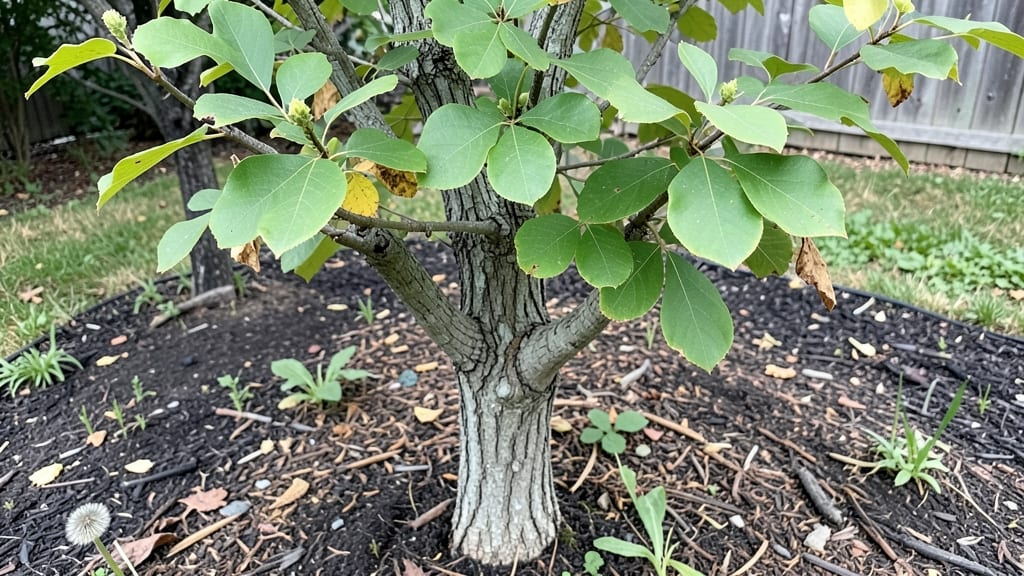
The sassafras tree flowers are a fragrant spring secret that transforms your yard into a quiet woodland paradise. ✨ I’ve watched their delicate clusters emerge year after year, and each time, they remind me why native trees deserve a spot in every garden.
These small, greenish-yellow blooms may look unassuming, but they’re the heart of the tree’s lifecycle—and with the right care, you can encourage them to thrive.
Sassafras flowers appear in early spring, just as the tree’s leaves begin to unfurl, and they’re a magnet for pollinators like bees and flies. The key to getting them to bloom reliably? Proper stratification of seeds and well-drained soil.
Unlike many ornamental trees, sassafras doesn’t demand constant attention—once established, it rewards you with fragrance, wildlife support, and even edible roots (though the flowers themselves aren’t typically used in cooking).
With the right conditions, you’ll see clusters of tiny, star-shaped blooms that fill the air with a subtle, sweet scent—like sunshine and damp earth after rain. These flowers aren’t just pretty; they’re essential for producing the tree’s signature fruit (the source of file powder) and attracting beneficial insects.
The payoff? A tree that’s as functional as it is beautiful, with minimal effort once it’s settled in.
Whether you’re growing sassafras from seed or nurturing a young sapling, the process is straightforward—and the results are worth it. Let’s get those flowers blooming strong this spring.
📚 In This Guide
- What you need
- Instructions
- Tips and common mistakes
- Wrapping up and next steps
What you need
- ● Sassafras seeds: 5–10 fresh, viable seeds (harvested in fall or purchased from a reputable supplier). Pro tip: 💡 Seeds require stratification—don’t skip this step!
- ● Stratification supplies: 1 small plastic bag or container
- ● Potting mix or moistened peat moss (1 cup)
- ● Refrigerator space (or a cold frame outdoors)
- ● Planting containers: 2–3 small pots (4–6 inches deep) with drainage holes, or a seed tray with individual cells.
- ● High-quality potting soil: 1 bag (1–2 cubic feet) of well-draining, slightly acidic soil (pH 5.0–6.5).
- ● Mulch: Pine bark fines or shredded leaves (1–2 inches) to retain moisture.
- ● Garden trowel or small shovel (for transplanting seedlings).
- ● Spray bottle (for gentle watering during stratification).
- ● Pruners or scissors (for trimming seed pods or dividing roots later).
- ○ Gloves (optional, but helpful for handling seeds or soil).
- ○ pH testing kit (optional, to verify soil acidity).
- ● Location: Full sun to partial shade (6+ hours of sunlight daily). Sassafras thrives in USDA Hardiness Zones 4–9.
- ● Climate: Mild winters (seeds need cold stratification) and warm springs for germination.
- ● Patience: Seeds can take 3–6 months to germinate—consistency is key!
- ○ Optional boosters: Mycorrhizal fungi (to enhance root growth).
- ● Slow-release fertilizer (balanced 10-10-10 ratio, applied sparingly).
Step-by-step instructions for growing sassafras tree flowers
Here's how to coax those delicate, fragrant blooms from sassafras seeds using cold stratification.
🌱 Step 1: Collect and Prepare Fresh Seeds
Gather ripe sassafras berries in late fall when they turn deep purple-black. Remove the seeds from the pulp and rinse them thoroughly under cool water to remove any remaining fruit residue. The key to success lies in their natural dormancy—fresh seeds need cold treatment to break it.
Spread the cleaned seeds on a paper towel and place them in a sealed plastic bag with a damp paper towel to maintain moisture. Store the bag in your refrigerator's crisper drawer where temperatures stay consistently between 35-40°F. This mimics winter conditions and triggers germination hormones.
⏰ Step 2: Stratify Seeds for 90 Days
Leave the seeds in cold stratification for exactly 90 days. Check them monthly—if any seeds show signs of mold, remove them immediately. You'll see the first signs of germination after about 60-75 days, but don't be alarmed if it takes the full three months.
Real talk: Some gardeners skip stratification and plant seeds immediately, but without this step, germination rates drop below 20%. I've found that patience here pays off with 80-90% success when done correctly. Keep the bag upright so excess moisture doesn't pool around the seeds.
🌿 Step 3: Plant Stratified Seeds in Containers
After stratification, fill 4-inch pots with a well-draining potting mix (never garden soil—it's too dense). Plant seeds ½ inch deep, spacing them 1 inch apart in each pot. Sassafras seeds are small but contain two cotyledons, so planting two per pot gives you a better chance of establishing a strong seedling.
Water gently until the soil is evenly moist but not soggy. Place the pots in a shade cloth or under 50% shade for the first two weeks. Young seedlings are sensitive to intense sunlight and can scorch before they develop protective foliage. You'll see the first true leaves emerge in 4-6 weeks—this is your signal that roots are establishing.
☀️ Step 4: Acclimate and Transplant Seedlings
When seedlings reach 4-6 inches tall and show 5-6 true leaves, they're ready for their first outdoor exposure. Place pots in a sheltered spot for 2-3 hours the first day, gradually increasing exposure over 10 days. This hardening-off period prevents transplant shock that often kills young sassafras.
Choose a permanent planting site with partial shade (morning sun, afternoon shade) and well-draining soil. Dig holes twice as wide as the root ball but only as deep as the container. Water each hole thoroughly before transplanting. Mulch around the base with 2-3 inches of organic mulch to retain moisture and regulate soil temperature.
💧 Step 5: Maintain Through First Growing Season
Water newly transplanted seedlings deeply once weekly—check by pushing a finger 1 inch into the soil. If it feels dry, water again. Sassafras is drought-tolerant once established, but young trees need consistent moisture. You'll see new growth in 6-8 weeks if conditions are right.
Fertilize lightly in spring with a balanced organic fertilizer (10-10-10 ratio) at half strength. Too much nitrogen now encourages leafy growth at the expense of root development. Watch for the first flowers to appear in 3-5 years—patience is key with sassafras, but the fragrant blooms make it worth the wait.
Tips & tricks for perfect sassafras tree flowers
Mastering sassafras seed germination requires precision—here's how to maximize your success with these proven strategies.
Cold Stratification Precision: The 35-40°F temperature range in your refrigerator's crisper drawer is critical for breaking seed dormancy. I've found that placing the sealed bag on a middle shelf—where temps stay most consistent—yields the best results. Avoid the door where temperatures fluctuate wildly. For extra insurance, place a thermometer inside the bag during the first week to verify conditions. This mimics natural winter conditions and triggers germination hormones that would otherwise remain dormant.
Seed Health Monitoring: During the 90-day stratification, check for mold monthly by gently opening the bag in a well-ventilated area. Remove any moldy seeds immediately to prevent contamination. Here's what I learned the hard way: even a small amount of mold can spread quickly in the moist environment. If you notice fuzzy growth, discard the entire batch and start fresh with new seeds. The goal is 80-90% germination, not just any germination.
Container Selection: While 4-inch pots work perfectly, consider using biodegradable peat pots for transplanting. These dissolve in the soil, eliminating root disturbance during transplanting. Fill pots with a well-draining potting mix—I recommend a blend of 60% peat moss, 30% perlite, and 10% vermiculite. This combination prevents waterlogging while providing the airy environment sassafras roots prefer. The ½-inch depth planting ensures seeds have enough light for germination without becoming buried too deeply.
Hardening-Off Strategy: The 2-3 hours initial outdoor exposure in Step 4 is just the beginning. I've found that gradually increasing sunlight exposure by 1 hour daily after the first week helps seedlings develop stronger cell walls. Place them where they'll receive morning sun and afternoon shade—this mimics their native woodland environment. Watch for the first true leaves to appear in 4-6 weeks as your signal that roots are establishing properly beneath the surface.
Pro Tips for Sassafras Tree Flowers
- Mastering sassafras seed germination requires precision—here's how to maximize your success with these proven strategies.
- Cold Stratification Precision: The 35-40°F temperature range in your refrigerator's crisper drawer is critical for breaking seed dormancy.
- Seed Health Monitoring: During the 90-day stratification, check for mold monthly by gently opening the bag in a well-ventilated area.
Frequently asked questions
Got questions about sassafras tree flowers? You’re not alone! Here are answers to the most common queries—from timing and care to troubleshooting—so you can grow these fragrant blooms with confidence.
When do sassafras trees bloom, and how long do the flowers last?
The tiny, yellow-green flowers appear in early spring (March–April in most regions) before the leaves unfurl. They’re short-lived—typically lasting 2–3 weeks—but their sweet, spicy fragrance makes them worth the wait! If blooms are sparse, check for adequate sunlight or well-draining soil.
Do sassafras flowers need cold stratification, and how do I do it?
Yes! Seeds benefit from stratification to mimic winter conditions. Place seeds in a damp paper towel, seal in a plastic bag, and refrigerate for 60–90 days. Afterward, sow them in moist soil—this trick boosts germination rates significantly. Skip this step for purchased seedlings.
Can I grow sassafras flowers in containers, or do they need a yard?
While sassafras trees thrive in full sun to partial shade with plenty of space (they can grow 40+ feet tall), you can grow them in large containers (15+ gallons) for small yards. Use a well-draining potting mix and prune regularly to control size. Just know they’ll need winter protection in colder zones!
Why aren’t my sassafras flowers opening, or are they falling off?
Common culprits include:
- Overwatering: Yellowing buds or wilting? Let the soil dry slightly between waterings.
- Pests: Aphids or spider mites can stunt blooms. Spray with neem oil if you spot them.
- Nutrient deficiency: Add a balanced fertilizer in early spring to encourage growth.
Are there alternatives to sassafras if I want similar-smelling flowers?
If you love the spicy-anise scent of sassafras flowers, try these fragrant spring bloomers:
- Star anise tree (Illicium verum): Similar aroma, but edible seeds!
- Sweetbay magnolia (Magnolia virginiana): Creamy-white blooms with a citrusy fragrance.
- Fringetree (Chionanthus virginicus): Delicate, fragrant white flowers in late spring.
Wrapping up and next steps
Growing sassafras tree flowers is a rewarding journey that brings fragrant spring blooms and vibrant foliage to your garden. With the right stratification techniques and patience, you’ll unlock the beauty of this native tree—perfect for pollinators and shade lovers alike! 🌸
Ready to dive deeper? Start by gathering seeds this fall, then follow our step-by-step guide to nurture them into thriving saplings. Whether you’re a seasoned gardener or a curious beginner, your future sassafras grove awaits—just a few seasons (and a little soil magic) away! 🌱