
Trees
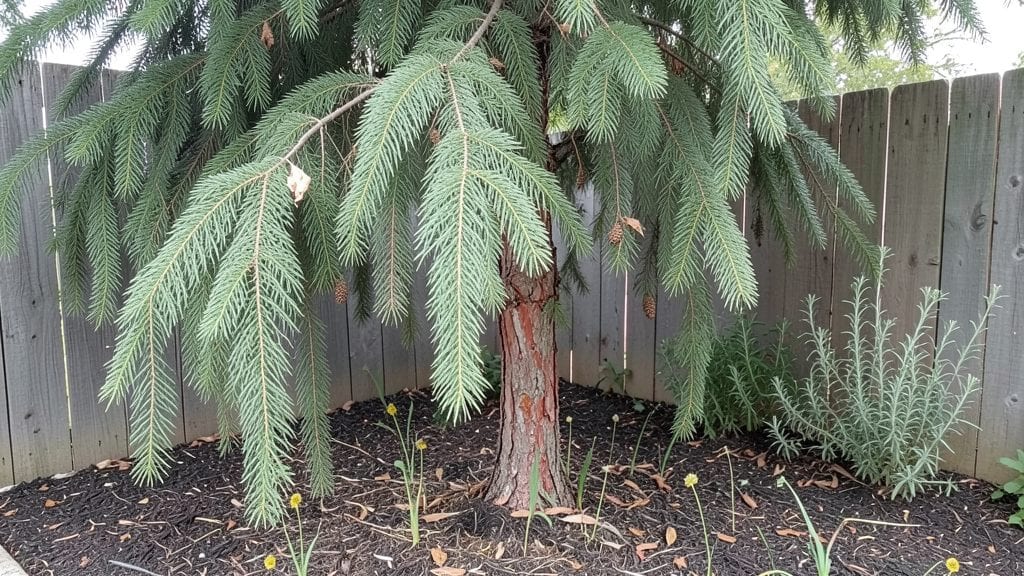
Weeping cypress trees transform any landscape with their elegant, cascading branches that create natural privacy screens year-round. 🌿 I planted mine five years ago along a fence line, and now the neighbors can't believe how quickly they've filled in—no fence needed.
The key is understanding their natural growth habits and giving them the right conditions from the start.
These trees thrive in full sun to partial shade and prefer well-draining soil, though they tolerate a range of conditions better than most. A single tree can spread 15-20 feet wide at maturity, so spacing matters—plant them 10-15 feet apart for a dense, flowing hedge.
The first year is all about establishing roots, so consistent watering (about 1-2 inches per week) makes all the difference.
Pruning is minimal—just remove any dead or crossing branches in early spring. They handle shearing if you want a more formal look, but the natural weeping shape is their signature charm.
By summer, you'll see lush, vibrant green foliage that stays dense even in winter, offering that dramatic privacy without the upkeep of other trees.
Perfect for coastal climates, Mediterranean regions, or even urban gardens where space is tight. Once established, they're drought-tolerant and rarely bothered by pests—just the kind of low-maintenance beauty that makes gardening effortless. Ready to add some grace to your property?
📚 In This Guide
- What you need
- Instructions
- Tips and common mistakes
- Wrapping up and next steps
What you need
- ● Weeping Cypress Trees (Taxodium distichum 'Pendulum'): 1–3 trees (depending on desired coverage and spacing—aim for 10–15 feet apart for full privacy screens).
- ● Size: 1–3 gallon containers (young trees) or 7–15 feet tall (mature specimens for instant impact).
- ● Type: Bare-root or container-grown (container-grown adapts better to transplanting).
- ○ Soil Amendments (Optional but Recommended): Peat moss or coconut coir (5–10 lbs) for improving drainage in heavy clay soils.
- ● Compost (20–30 lbs) to enrich soil with nutrients.
- ● Sulfur (1–2 lbs) if your soil is alkaline (weeping cypress thrives in acidic to slightly acidic pH 5.0–6.5).
- ● Mulch: 3–4 inches of pine straw, wood chips, or shredded bark mulch (avoid dyed mulch).
- ● Spread in a 3-foot diameter around the base (keep mulch 6 inches away from the trunk).
- ● Tools: Shovel or spade (for digging holes).
- ● Garden trowel (for loosening roots if needed).
- ● Wheelbarrow (for moving soil/amendments).
- ● Measuring tape (to ensure proper spacing).
- ● Pruning shears (for shaping or trimming).
- ● Watering can or hose with a gentle spray nozzle.
- ● Location: Full sun to partial shade (6+ hours of sunlight daily for best growth). Avoid areas with frost pockets if you’re in a colder climate.
- ● Soil Type: Prefers moist, well-draining, acidic soil. Tolerates occasional flooding (great for rain gardens!).
- ● Climate Zones: Hardy in USDA Zones 6–10. In colder zones, choose container-grown trees for easier winter protection.
- ● Permits: Check local regulations if planting near property lines or water sources.
- ● Time of Year: Best planted in early spring or fall (avoid extreme heat or frost).
How to plant and maintain weeping cypress trees for stunning privacy
These elegant trees thrive with minimal fuss—just follow my straightforward approach for lush, year-round screening.
🪴 Step 1: Select the Perfect Planting Site
Weeping cypresses love moisture but hate soggy roots, so choose a spot with 6+ hours of sun daily and well-draining soil. I dig a hole twice as wide as the root ball but only as deep—planting too deep suffocates the roots. For 4 trees, space them 8-10 feet apart in a straight line for a natural privacy screen.
Amend heavy clay soil with 2-3 inches of compost mixed into the bottom of the hole. The roots need air and nutrients to establish quickly. Tap the tree gently to settle soil around roots, then water deeply to eliminate air pockets.
☀️ Step 2: Water Deeply After Planting
Give each tree 5 gallons of water immediately after planting to help roots settle. I use a hose with a gentle spray nozzle to avoid displacing soil. Water again in 3-4 days and then weekly for the first 3 months—deep watering encourages strong root growth.
Check soil moisture by sticking your finger 2 inches deep. If it feels dry, water again. Mulch around the base with 2-3 inches of organic mulch (like pine straw) to retain moisture and suppress weeds. Keep mulch 6 inches away from the trunk to prevent rot.
✂️ Step 3: Prune for Shape and Health
Prune in late winter or early spring before new growth begins. Remove only dead, broken, or crossing branches—weeping cypresses naturally develop their graceful shape without heavy pruning. Use clean, sharp shears to make cuts just above a leaf node.
If you notice leggy growth reaching toward the sun, trim back the longest branches by one-third to encourage bushier growth. Avoid pruning in fall—new growth won’t harden off before winter, making the tree vulnerable to frost damage.
💧 Step 4: Maintain Year-Round Care
Once established, weeping cypresses tolerate drought better than most evergreens, but they still need 1 inch of water weekly during dry spells. Water at the base rather than overhead to prevent fungal diseases like needle blight.
Fertilize lightly in early spring with a balanced, slow-release fertilizer (10-10-10 ratio). Over-fertilizing leads to weak growth and attracts pests. I spread ½ cup per tree around the drip line, then water deeply to activate the nutrients.
🌿 Step 5: Watch for Common Issues
Yellowing needles often signal overwatering or poor drainage. Let the soil dry slightly between waterings—cypresses hate soggy feet. Brown tips usually mean low humidity; mist the foliage occasionally in hot, dry weather.
If you spot spider mites (tiny webs on needles), spray with water to knock them off, then apply neem oil as a preventative. Healthy trees rarely need pesticides—focus on proper watering and airflow to keep them strong.
Tips & tricks for perfect weeping cypress trees
Between us, these trees are the unsung heroes of privacy landscaping—they deliver dramatic results with surprisingly little effort. Here's what nobody tells you about making them thrive.
Soil Science: The 2-3 inches of compost you mix into the planting hole isn't just filler—it's a game-changer for heavy clay soil. I've seen weeping cypresses struggle in unamended clay because their roots need both drainage AND nutrients to establish. Pro tip: If your soil tests extremely dense, consider adding a handful of perlite to the mix for that extra drainage boost. The roots will thank you by growing stronger and faster.
Watering Wisdom: That first 5 gallons after planting isn't just about hydration—it's about creating the perfect environment for root expansion. I've learned the hard way that skipping this step leads to air pockets that strangle new roots. After planting, I make it a point to water slowly at the base rather than blasting the foliage, which prevents fungal issues down the road. The 2-inch soil moisture check is your best friend during those first critical months.
Pruning Precision: When you're tempted to give those long branches a heavy haircut, remember: weeping cypresses develop their iconic shape naturally. The one-third trim on leggy growth is about encouraging bushiness, not drastic reshaping. I always prune just above a leaf node—this little detail makes all the difference in how quickly the tree recovers. And that fall pruning warning? Trust me, I've seen winter-killed growth from fall pruning, and it's not pretty.
Fertilizer Strategy: The ½ cup of balanced fertilizer might seem modest, but it's intentional. Over-fertilizing these trees leads to soft, weak growth that's vulnerable to pests. I apply it around the drip line—not right at the trunk—because that's where the feeder roots are actively growing. Think of it as targeted nutrition rather than a blanket approach. And always water deeply after applying to activate those nutrients.
Pro Tips for Weeping Cypress Trees
- Between us, these trees are the unsung heroes of privacy landscaping—they deliver dramatic results with surprisingly little effort.
- Soil Science: The 2-3 inches of compost you mix into the planting hole isn't just filler—it's a game-changer for heavy clay soil.
- Watering Wisdom: That first 5 gallons after planting isn't just about hydration—it's about creating the perfect environment for root expansion.
Frequently asked questions
Got questions about weeping cypress trees? You’re not alone! Here are some of the most common queries—plus straightforward answers to help you make the best decisions for your landscape.
How fast do weeping cypress trees grow?
Weeping cypress trees grow at a moderate pace, typically adding 12 to 24 inches per year under ideal conditions. In the first few years, growth may be slower, but once established, they can reach 10 to 15 feet tall in a decade—perfect for quick privacy without overwhelming your space. Patience pays off with their elegant, drooping branches!
Do weeping cypress trees need a lot of water?
While they’re drought-tolerant once mature, young weeping cypress trees thrive with regular watering (about 1 inch per week). Once established (after 2–3 years), they handle dry spells beautifully. Pro tip: Mulch around the base to retain moisture and reduce weeds—your tree will thank you!
Can weeping cypress trees be planted in containers?
Their compact root systems make them ideal for large containers (minimum 20-gallon pots). Use well-draining soil and ensure the container has drainage holes. Perfect for patios, balconies, or small yards—just rotate the pot occasionally for even growth. Watch for: Overwatering in containers, which can lead to root rot.
Are weeping cypress trees prone to pests or diseases?
Generally hardy, but watch for aphids, spider mites, or fungal issues (like root rot) in overly wet soil. Prevention is key: Prune for airflow, avoid overhead watering, and treat pests early with neem oil or insecticidal soap. If leaves turn yellow or drop unexpectedly, check for overwatering or nutrient deficiencies—adjust care and monitor closely.
What’s the best alternative if weeping cypress isn’t available?
If weeping cypress trees aren’t in your area, consider these low-maintenance, privacy-friendly alternatives:
- Italian Cypress – Tall, slender, and evergreen (but less droopy).
- Emerald Green Arborvitae – Dense, columnar, and great for hedges.
- Leyland Cypress – Fast-growing but needs more pruning.
- Dwarf Alberta Spruce – Compact and hardy for small spaces.
Wrapping up and next steps
Weeping cypress trees are the perfect blend of beauty and practicality—offering year-round privacy, elegant draping foliage, and minimal upkeep. Whether you’re enhancing your landscape or simply admiring their serene presence, these trees bring a touch of nature’s grace to any space. 🌿
Ready to transform your outdoor area? Start by researching local climates and soil types to ensure your weeping cypress thrives. Then, reach out to a trusted nursery or landscaper to bring your vision to life—your garden (and future relaxation spot!) will thank you.