
Trees
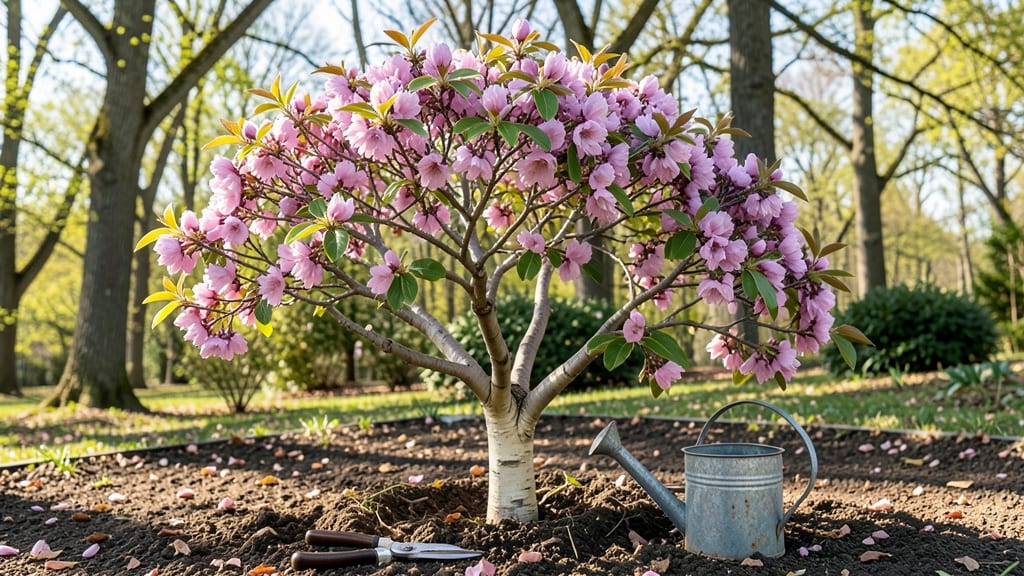
Small canopy trees are the secret weapon for privacy lovers with limited space. 🌿 I planted a Japanese maple in my 6-foot-wide front yard last spring, and it already blocks nosy neighbors while adding stunning fall color—no fence needed.
The right variety transforms even tight urban yards into lush, intimate retreats.
These trees work because they mature at 15-25 feet tall but spread just 10-15 feet wide, leaving room for patios and pathways. Dwarf fruit trees like columnar apples or flowering dogwoods add seasonal interest without crowding.
The key is spacing: plant 8-12 feet from structures and 6-8 feet apart for multiple trees.
You’ll get year-round benefits—spring blossoms, summer shade, autumn foliage, and winter structure. My maple’s delicate leaves create dappled shade perfect for hostas and ferns below. The best part? These trees grow slower than their full-sized cousins, so they stay manageable for decades.
Perfect for narrow side yards, courtyard gardens, or even large containers. Start with one as a statement piece, then layer in shrubs and perennials for extra texture. Your neighbors will be jealous of how much space you’ve gained—and how little you used.
📚 In This Guide
- What you need
- Instructions
- Tips and common mistakes
- Wrapping up and next steps
What you need
- ● Small canopy tree sapling: Choose a species like Japanese Maple, Dwarf Cherry, or Katsura Tree (ensure it’s labeled for small spaces, typically 10–25 ft mature height).
- ● High-quality potting soil or native soil mix: 1–2 cubic yards (or 10–20 bags) enriched with compost for better drainage.
- ● Organic mulch: 2–3 bags (pine bark or wood chips) to retain moisture and suppress weeds.
- ○ Tree stakes (optional but recommended): 2–4 wooden or metal stakes (1–2 inches in diameter, 4–6 ft tall) + tree ties (3–5 soft fabric straps).
- ● Slow-release fertilizer: 1–2 lbs of granular, organic fertilizer (e.g., 10-10-10 or tree-specific blend).
- ● Watering can or hose with spray nozzle: For gentle, deep watering (aim for 1–2 gallons per watering session).
- ● Shovel or spade: A round-point shovel (12–18 inches wide) for digging the planting hole.
- ● Garden trowel: For fine adjustments around roots.
- ● Measuring tape or ruler: To ensure the hole is 2–3 times wider than the root ball.
- ● Pruning shears: For trimming dead or damaged branches before planting.
- ● Gloves: Heavy-duty gardening gloves to protect your hands.
- ○ Wheelbarrow (optional): For hauling soil or mulch.
- ● Sunlight assessment: Confirm your tree’s light needs (full sun, partial shade, etc.) and match it to your yard’s conditions.
- ○ Soil test (optional but helpful): Check pH and nutrient levels (kits available at garden centers).
- ● Local planting regulations: Verify if your area requires permits for tree planting (especially in urban zones).
- ● Patience: Small canopy trees take 3–5 years to reach full privacy benefits—plan accordingly!
How to plant and maintain small canopy trees for privacy
Here's the straightforward approach I use to create lush, year-round privacy without sacrificing space.
🪴 Step 1: Select the Right Tree and Prepare the Planting Site
Choose a small canopy tree like a dwarf Japanese maple or ornamental cherry that matures between 15-25 feet tall—perfect for narrow spaces. Avoid fast-growing species that outpace your vision for privacy. I always dig a hole twice as wide as the root ball but only as deep as the container the tree came in.
Test your soil's drainage by digging a hole and filling it with water. If it drains in less than 30 minutes, your soil is fine. If water pools after an hour, amend with 2-3 inches of compost to improve drainage. This prevents root rot, which kills young trees within weeks.
☀️ Step 2: Plant at the Correct Depth and Water Thoroughly
Remove the tree from its container and loosen the roots gently with your fingers—never prune them unless they're circling the root ball. Place the tree in the hole so the top of the root ball sits 1 inch above ground level. Small canopy trees need this slight elevation to prevent water from pooling at the trunk.
Backfill with the native soil, tamping lightly every 6 inches to eliminate air pockets. Water immediately with 5 gallons of water to settle the soil. You'll see the ground sink slightly as it absorbs moisture—this confirms proper settling. Mulch with 3 inches of shredded bark (keeping it 6 inches away from the trunk) to retain moisture and regulate soil temperature.
💧 Step 3: Water Deeply and Monitor Growth for the First Year
Water newly planted trees twice weekly for the first month, then once weekly for the next six months. Small canopy trees have shallow root systems that dry out quickly in containers. I check moisture by sticking my finger 2 inches deep—if it feels dry, it's time to water. Overwatering is just as deadly as underwatering.
Fertilize lightly in spring with a balanced 10-10-10 formula (use half the recommended dose). Too much fertilizer burns young roots and encourages weak, fast growth. Watch for yellowing leaves—this usually means overwatering or poor drainage, not fertilizer issues.
✂️ Step 4: Prune for Shape and Health Annually
Prune in late winter or early spring before new growth begins. Remove dead, diseased, or crossing branches first using clean, sharp pruners. Cut just outside the branch collar (the swollen area where the branch meets the trunk) to promote healing. Small canopy trees benefit from light shaping pruning to maintain their natural form.
Never remove more than 25% of the tree's foliage in one season—this stresses the tree and weakens its structure. After pruning, apply a thin layer of mulch to protect roots and retain moisture. You'll see new growth within 4-6 weeks, signaling the tree is recovering well.
⏰ Step 5: Adjust Care as Trees Mature
After the first year, reduce watering to once every 10-14 days unless your area experiences extreme heat or drought. Mature small canopy trees develop deeper roots and need less frequent watering. Fertilize again in spring with the same half-dose 10-10-10 formula to support steady growth.
Monitor for pests like aphids or spider mites, which thrive on young, tender leaves. A strong spray of water usually removes them, but severe infestations may require neem oil (follow label instructions). With proper care, your trees will fill out beautifully, providing year-round privacy in just a few seasons.
Tips & tricks for perfect small canopy trees
Creating a lush privacy screen with small canopy trees takes patience and precision—but these pro tips will help you avoid the most common mistakes and grow healthier trees faster.
Tree Selection Wisdom: When choosing between dwarf Japanese maple and ornamental cherry, consider your climate. Japanese maples thrive in partial shade and cooler regions, while ornamental cherries love full sun and warmer areas. Both mature between 15-25 feet, but their seasonal colors differ dramatically—maples offer stunning fall foliage while cherries provide beautiful spring blossoms.
Soil Test Hack: The 30-minute drainage test in Step 1 is non-negotiable! If water pools after an hour, don't just add compost—also consider creating a raised bed. This prevents root rot by keeping roots elevated and well-drained. I've seen trees die within weeks from soggy soil, so take this test seriously before planting.
Planting Depth Secret: That 1-inch elevation above ground level in Step 2 might seem small, but it makes a huge difference. This slight mound prevents water from pooling against the trunk, which can cause rot. Think of it like wearing waterproof boots—your tree's trunk needs that protection from excess moisture.
Pruning Recovery Tip: After pruning in Step 4, apply a thin layer of mulch around the base (but keep it 6 inches away from the trunk). This helps the tree recover faster by maintaining consistent soil moisture. You'll notice new growth within 4-6 weeks, proving your tree is healing well from the pruning stress.
Pro Tips for Small Canopy Trees
- Creating a lush privacy screen with small canopy trees takes patience and precision—but these pro tips will help you avoid the most common mistakes and grow healthier trees faster.
- Tree Selection Wisdom: When choosing between dwarf Japanese maple and ornamental cherry, consider your climate.
- Soil Test Hack: The 30-minute drainage test in Step 1 is non-negotiable!
Frequently asked questions
What are the best small canopy trees for urban areas?
Top picks include Japanese Maple (compact, colorful), Dwarf Korean Lilac (fragrant blooms), and Serviceberry (edible fruit + shade). Avoid fast-growing species like willows—they can become messy. Always check local climate zones and soil conditions!
How long does it take for a small canopy tree to provide privacy?
Most small canopy trees take 3–5 years to fill out, but faster growers like Empress Tree or Dwarf Chinese Elm may offer partial privacy in 2 years. Prune strategically in early spring to encourage denser growth. Patience pays off—think of it as a living, breathing screen!
Are small canopy trees expensive to maintain?
Costs vary: mature trees (5–10 ft) run $150–$500, while pruning/fertilizer add $50–$200/year. Drought-tolerant varieties (e.g., Olive Tree) cut water bills. Pro tip: Mulch well and water deeply 2x/week in summer to slash long-term costs.
Can I plant a small canopy tree near my foundation?
Yes, but keep roots 3–5 ft away from walls to avoid cracks. Choose shallow-rooted types like Crabapple or Dwarf Pear. Avoid water-seekers (e.g., Silver Maple) near basements. Always check your local planting codes—some areas require permits for trees near structures.
Do small canopy trees survive harsh winters?
Most thrive in USDA Zones 5–9, but cold-hardy picks like Hornbeam or Dwarf Hackberry handle Zone 4. Winter prep: Mulch 3" deep, water until soil freezes, and wrap young trunks (if <3" diameter) with burlap. Evergreens (e.g., Dwarf Alberta Spruce) add year-round shelter but need wind protection.
Wrapping up and next steps
Small canopy trees are the perfect solution for adding year-round privacy without sacrificing your outdoor space. Whether you're drawn to the elegant Japanese maple, the sturdy dwarf Korean lilac, or the lush ornamental cherry, these trees offer beauty, shade, and a compact footprint.
With the right care and placement, you can transform your yard into a serene, green retreat—naturally and sustainably!
Ready to get started? Measure your space, pick your favorite tree, and plant with confidence! 🌿 Your private oasis is just a few steps away—happy planting!