Blooming
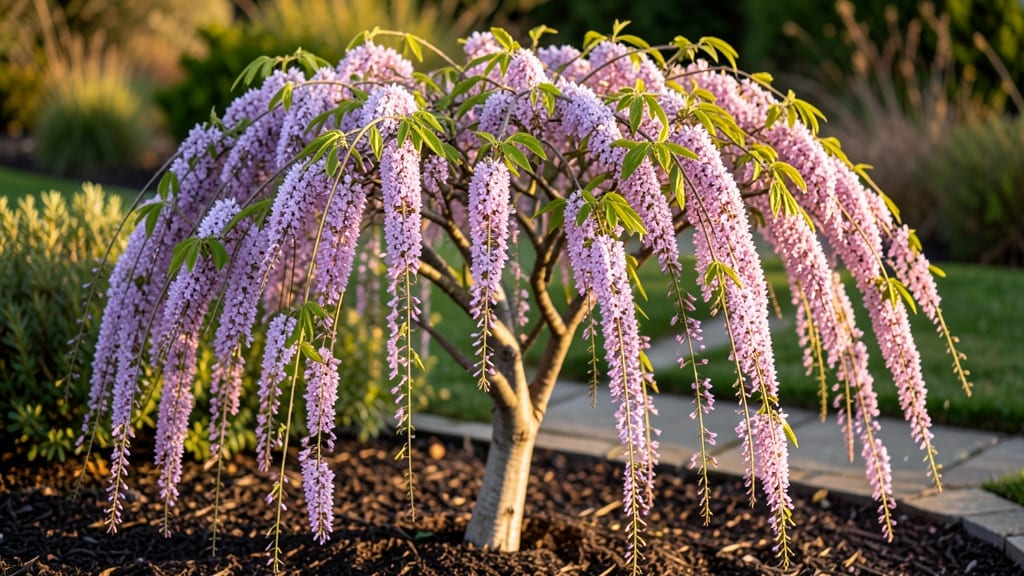
That cascading canopy of flowers isn’t just pretty—it’s a year-round game-changer for any garden. 🌸 The weeping blossom tree turns dull corners into living art, draping fragrant blooms like a waterfall while offering privacy that feels intentional, not intrusive.
I planted mine near the patio last spring, and now it’s the first thing guests notice when they walk up—no more boring fences or empty spaces.
The real magic is how it works in any space. Too small for a big tree? The weeping habit fits tight spots perfectly, spilling over trellises or container edges without taking over.
Pair it with hostas for shade-loving contrast or dwarf conifers for evergreen structure, and you’ve got a scene that looks polished even when you’re not. And yes, it handles pruning like a champ—just trim back leggy branches in late winter to keep that lush, fountain shape.
What you end up with is a tree that does double duty: blooms in spring, soft foliage in summer, and subtle color shifts in fall before the branches go bare—just enough structure to keep winter from feeling flat.
The neighbors always ask how I keep my yard looking so effortless. Here’s the secret: let it grow naturally, then layer in a few strategic plants around it. The tree does 90% of the work.
Bonus? It thrives in partial shade, making it ideal for urban yards or spots where full sun would scorch other plants. Whether you’re masking a noisy street, framing a doorway, or just adding drama to a small garden, this tree delivers elegance without the fuss.
Let’s talk placement—this is where the real creativity begins.
📚 In This Guide
- What you need
- Instructions
- Tips and common mistakes
- Wrapping up and next steps
What you need
- ● Weeping Blossom Tree: 1 mature tree (3–5 ft tall) or 1–3 young saplings (1–2 ft tall) for layered planting.
- ● Recommended varieties: Crytabugyo cherry, Weeping Japanese maple, or Purple Weeping Willow.
- ● Planting Site: Full sun to partial shade (6+ hours of sunlight daily).
- ● Well-draining, slightly acidic soil (pH 5.5–6.5).
- ● Space: 10–15 ft diameter for mature growth (or wider for multiple trees).
- ● Soil Amendments: 2–3 bags of peat moss or compost (50 lb each) to improve drainage.
- ● 1 lb slow-release fertilizer (10-10-10 NPK ratio).
- ● Tools: 1 shovel (for digging).
- ● 1 garden fork (to loosen soil).
- ● 1 wheelbarrow (for mixing soil).
- ● 1 watering hose or can (with a gentle spray nozzle).
- ● Mulch (2–3 cubic feet of pine bark or wood chips) to retain moisture.
- ● Tree stakes (2–4) + soft ties for young saplings.
- ● Pruning shears (for shaping or removing dead branches).
- ● Decorative stones or edging (to define the planting area).
- ● Drip irrigation system (for low-maintenance watering).
How to plant and maintain a weeping blossom tree
Here’s my go-to method for planting and caring for a weeping blossom tree—ideal for adding graceful beauty and seasonal privacy.
🌱 Step 1: Choose the Perfect Planting Spot
Weeping blossom trees thrive in full sun to partial shade—at least 6 hours of sunlight daily. I always pick a location with well-draining soil and room to grow, since these trees can reach 15-20 feet tall and 10-15 feet wide. Avoid low spots where water pools after rain.
Dig a hole twice as wide as the tree’s root ball but only as deep as the container it came in. Loosen the edges of the hole with your shovel to encourage root spread. If your soil is heavy clay, mix in 2-3 inches of compost to improve drainage—this helps prevent root rot.
🪴 Step 2: Plant with Care for Strong Growth
Gently remove the tree from its container and loosen any circling roots with your fingers. Place it in the hole so the top of the root ball sits 1-2 inches above ground level—this prevents water from pooling around the trunk. Fill the hole with soil, tamping lightly as you go to remove air pockets.
Water deeply right after planting to settle the soil and encourage root contact. Use 5-10 gallons of water, depending on the tree’s size, and let it soak in completely. Mulch around the base with 2-3 inches of organic mulch, keeping it 6 inches away from the trunk to prevent rot.
☀️ Step 3: Water and Feed for Year-Round Health
For the first year, water your weeping blossom tree once a week unless rainfall provides 1 inch of moisture. After that, water every 2-3 weeks during dry spells—check soil moisture by sticking your finger 2 inches deep. If it’s dry, water thoroughly.
Fertilize in early spring with a balanced, slow-release fertilizer (10-10-10 ratio). I use ½ cup per year of tree growth—for example, a 2-year-old tree gets ¼ cup. Avoid over-fertilizing, which can burn roots and reduce flowering.
✂️ Step 4: Prune for Shape and Seasonal Bloom
Prune in late winter or early spring before new growth appears. Remove dead, diseased, or crossing branches first, then thin out 10-20% of the canopy to improve airflow. Weeping trees benefit from light shaping prunes to maintain their graceful form.
After flowering, trim back spent blooms to encourage more flowers next season. Never prune more than ⅓ of the tree at once—this stresses the plant and can reduce blooming. Use clean, sharp pruners to make cuts just above a leaf node or bud.
⏰ Step 5: Protect Through Seasons
In winter, wrap young trees in burlap if temperatures drop below 15°F to prevent cold damage. Mature trees handle frost well but may need extra mulch in harsh climates. Watch for aphids or spider mites—spray with neem oil if you spot sticky leaves or webbing.
Every 3-5 years, check for compacted soil around the base. Loosen the top 6 inches of soil and add compost to refresh nutrients. This keeps roots healthy and supports strong, steady growth—your tree will thank you with vibrant blooms and lush foliage for decades.
Tips & tricks for perfect weeping blossom tree care
Transforming your yard into a serene retreat with a weeping blossom tree is easier than you think—these tips will help you avoid common pitfalls and create an elegant privacy screen that thrives for years.
Soil Preparation: Before planting, test your soil’s drainage by digging a small hole and filling it with water. If it doesn’t drain within 30 minutes, mix in 2-3 inches of compost or sand to improve aeration. Well-draining soil is non-negotiable for these trees—they hate soggy roots! I’ve seen weeping blossoms struggle and even die when planted in heavy clay without amendments.
Root Care During Planting: The 1-2 inches above ground level placement of the root ball in Step 2 is crucial for preventing water pooling. If your tree’s container has drainage holes, it’s already been watered—let it sit for 10 minutes before planting to avoid over-saturating the roots. Gently spreading the roots outward as you place it in the hole encourages faster establishment.
Winter Protection: When temperatures drop below 15°F, young trees need that burlap wrap to shield against cold winds. I’ve learned this the hard way—my first tree suffered frost damage because I skipped this step in a harsh winter. For extra protection, wrap the burlap loosely around the trunk and branches, leaving the top open to allow some airflow.
Pruning Timing: That late winter or early spring pruning window is your best bet for maximizing blooms. I wait until just before buds swell but before new growth appears—this timing ensures you’re not cutting off next year’s flowers. For weeping varieties, focus on thinning rather than heavy shaping to maintain their graceful, cascading form.
Pro Tips for Weeping Blossom Tree
- Transforming your yard into a serene retreat with a weeping blossom tree is easier than you think—these tips will help you avoid common pitfalls and create an elegant privacy screen that thrives for years.
- Soil Preparation: Before planting, test your soil’s drainage by digging a small hole and filling it with water.
- Root Care During Planting: The 1-2 inches above ground level placement of the root ball in Step 2 is crucial for preventing water pooling.
Frequently asked questions
Got questions about the stunning weeping blossom tree? You’re not alone! Here are some of the most common queries—and their answers—to help you make the most of this graceful plant.
How fast does a weeping blossom tree grow?
A weeping blossom tree typically grows 12 to 24 inches per year, though growth speed can vary based on soil quality, sunlight, and care. With proper conditions, it can reach 15 to 25 feet tall over 10–15 years, making it a great long-term privacy screen or focal point.
Is a weeping blossom tree cold-hardy?
Yes! Most varieties thrive in USDA zones 6–9, tolerating winter temperatures down to -10°F (-23°C). For colder climates, choose Lagerstroemia indica cultivars like ‘Natchez’ or ‘Tuscarora,’ which are especially resilient. Mulching in winter adds extra protection.
When does it bloom, and how long do the flowers last?
Weeping blossom trees burst into color late spring to early summer, with flowers lasting 4–6 weeks. Some varieties, like ‘Muskogee,’ rebloom lightly in fall. Prune spent blooms in early spring to encourage fresh growth and prolong the show.
Can I grow a weeping blossom tree in a container?
While possible, it’s not ideal for long-term growth. These trees have expansive root systems and need 5+ gallons of space per year of maturity. If container-grown, use a large, deep pot with drainage and repot every 2–3 years. Expect slower growth and smaller size compared to in-ground planting.
What pests or diseases should I watch for?
Common issues include:
- Japanese beetles (chew leaves—use neem oil or insecticidal soap).
- Powdery mildew (from humidity—prune for airflow and fungicide if needed).
- Root rot (from overwatering—ensure well-draining soil).
Wrapping up and next steps
The weeping blossom tree is more than just a stunning addition to your landscape—it’s a year-round investment in beauty, privacy, and tranquility. 🌸 With its graceful branches and vibrant blooms, it transforms any space into a serene sanctuary while offering practical benefits like shade and noise reduction.
Whether you’re a seasoned gardener or just starting, this tree is a dream come true!
Ready to bring its magic to your yard? Start by researching your climate and soil type, then reach out to local nurseries or trusted suppliers. With a little planning, you’ll soon be enjoying the weeping blossom tree’s timeless charm—and maybe even inspiring your neighbors to plant one too! 🌿