Size
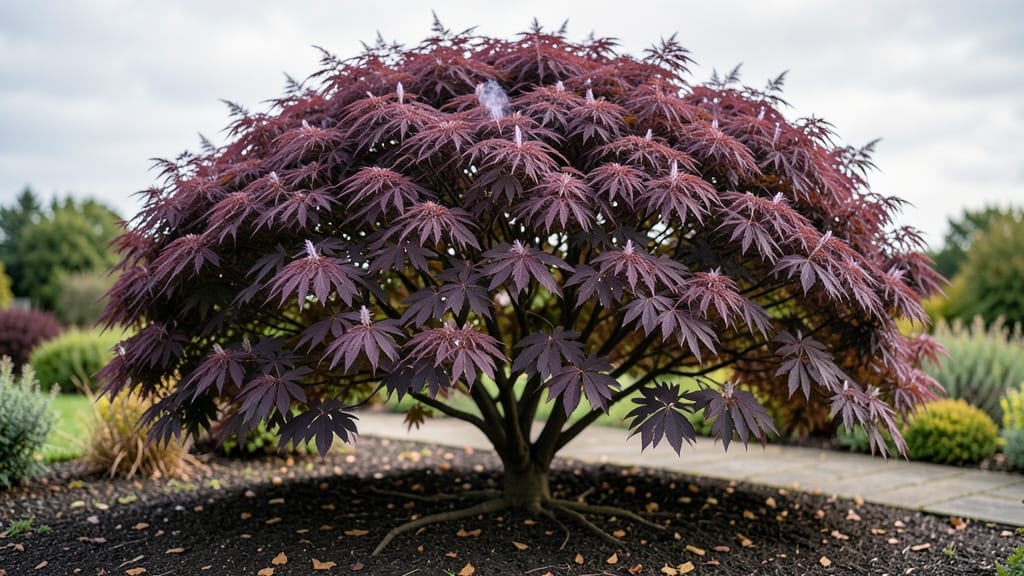
Understanding the purple smoke tree growth rate is key—this fast-growing shrub thrives in the right spot with sunlight and well-draining soil, outpacing most privacy screens. I planted mine three years ago, and it’s already 8 feet tall with a spread wide enough to block neighbors’ views.
The key isn’t just time—it’s knowing how to push those growth spurts.
The secret lies in full sun exposure (6+ hours daily) and soil that drains like a sieve—too much moisture slows it down.
In my zone 7 garden, it shoots up 2-3 feet per year once established, but I’ve seen aggressive growers hit 5 feet in a single season with the right care. Prune back leggy branches in early spring to encourage bushier, faster growth.
By year three, you’ll have a vibrant, smoky-purple canopy that outpaces most fast-growing screens. The foliage stays lush even in heat waves, and those feathery seed plumes add drama without slowing growth. Just avoid heavy clay soil—it’s the #1 reason these trees underperform.
Works in zones 5-8, thrives in heat, and handles drought once rooted. Here’s how to keep it growing like a champ—no waiting years for that privacy payoff.
📚 In This Guide
- What you need
- Instructions
- Tips and common mistakes
- Wrapping up and next steps
What you need
- ● Purple Smoke Tree Sapling: 1–3 gallon container size (for fastest growth and root establishment). Pro tip: Look for 1–2 year old plants for quicker results!
- ● Well-draining soil: Mix 1 part native soil with 1 part compost and 1 part perlite or sand (avoids root rot). pH 6.0–7.5 is ideal.
- ● Organic mulch: 2–3 inches of shredded bark, wood chips, or pine straw to retain moisture and suppress weeds.
- ● Slow-release fertilizer: 10-10-10 or balanced organic fertilizer (e.g., fish emulsion or compost tea). Apply in early spring only!
- ● Garden trowel or spade (for digging holes 2–3x wider than the root ball).
- ● Garden hose or watering can (with a soaker hose attachment for deep watering).
- ● Pruning shears (sterilized with rubbing alcohol to prevent disease).
- ● Measuring tape (to space trees 8–12 feet apart for optimal airflow and growth).
- ● Garden gloves (to protect hands from thorns and rough bark).
- ● Epsom salt (1 tbsp/month in water for magnesium boost during growing season).
- ● Tree stakes & ties (if planting in windy areas—use biodegradable options!).
- ● Drip irrigation system (for automated watering and consistent moisture).
- ● Fungicide spray (e.g., copper-based or neem oil for preventive care).
Instructions for maximizing purple smoke tree growth rate
Here’s how to get your purple smoke tree reaching privacy-screen height in record time.
Plant in the Right Spot for Fast Growth
Choose a location with full sun exposure—at least 6 hours of direct sunlight daily. Purple smoke trees thrive in well-drained soil with a pH between 6.0 and 7.5. If your soil is heavy clay, mix in 2-3 inches of compost before planting to improve drainage and nutrient availability.
Dig a hole twice as wide as the root ball but only as deep as the container it came in. This prevents burying the trunk too deeply, which can cause rot. Gently remove the tree from its container and loosen any circling roots with your fingers. Place it in the hole so the top of the root ball sits 1 inch above ground level. Backfill with native soil and tamp lightly to remove air pockets.
Water deeply right after planting to settle the soil and encourage root expansion. You’ll see the fastest growth when roots establish quickly—this usually takes 2-3 weeks in ideal conditions. Mulch around the base with 2-3 inches of organic mulch to retain moisture and regulate soil temperature.
Water Deeply but Infrequently
Purple smoke trees are drought-tolerant once established, but young trees need consistent moisture to fuel rapid growth. Water once a week during the first growing season, providing 1-2 gallons per tree each time. Let the soil dry out 2-3 inches deep between waterings—you’ll know it’s time when the topsoil feels slightly dry to the touch.
Avoid overhead watering, which can lead to fungal issues. Instead, use a soaker hose or drip irrigation placed at the base of the tree. This delivers water directly to the roots where it’s needed most. Overwatering is the fastest way to stunt growth, so always check the soil before watering again.
After the first year, you can reduce watering to every 2-3 weeks unless your area experiences extreme heat or drought. The tree’s deep roots will seek out moisture on their own, and you’ll see faster height increases as it focuses energy on upward growth.
Fertilize for Rapid Height Increase
Use a balanced, slow-release fertilizer (10-10-10 or similar) in early spring to kickstart growth. Apply ½ cup per tree spread evenly over the root zone. Water the area thoroughly after fertilizing to help nutrients penetrate the soil. This gives your tree the phosphorus and potassium it needs for strong root and stem development.
Avoid high-nitrogen fertilizers, which encourage leafy growth at the expense of height. Instead, focus on root-feeding fertilizers applied in early spring and again in midsummer. You’ll notice faster vertical growth within 4-6 weeks of proper fertilization, especially if combined with consistent watering.
In the second year, switch to a low-nitrogen, high-phosphorus fertilizer (like 5-10-10) to promote deeper rooting and taller growth. This is when your tree will really start to shoot upward—expect 3-5 feet of new growth per year under ideal conditions.
Prune Strategically for Height Focus
Prune in late winter or early spring before new growth begins. Remove any dead, diseased, or crossing branches to improve airflow and direct energy toward upward growth. Use clean, sharp pruners to make cuts just above a bud or branch collar. Avoid heavy pruning, as this can slow height progression.
If your tree develops a wide canopy too early, lightly trim back some of the lower branches to encourage the tree to focus on vertical growth. You can also top the tree in early spring by cutting the main stem just above a strong lateral branch. This stimulates branching but also encourages the central leader to grow taller in response.
Resist the urge to prune in summer or fall—this disrupts the tree’s natural growth cycle and can lead to weaker, slower growth the following season. With proper pruning, your purple smoke tree will reach 10-15 feet in just 3 years, making it one of the fastest-growing privacy screens for its size.
Protect from Early Stressors
Young purple smoke trees are vulnerable to deer browsing and late frosts. Install a tree guard or wire cage around the trunk if deer are a problem in your area. This protects the bark and allows the tree to focus on height rather than repairing damage.
If your region experiences late frosts, wait until after the last frost date to plant. Cold snaps can damage new growth and set the tree back. Once established, purple smoke trees are cold-hardy down to USDA Zone 5, but young trees benefit from a light mulch layer in winter to insulate roots.
Monitor for pests like aphids or spider mites, which can stress the tree and slow growth. Treat infestations early with neem oil or insecticidal soap to prevent damage. A healthy tree with no pest pressure will grow 2-3 feet per year in its first few seasons, easily outpacing slower-growing privacy options.
Tips & tricks for maximizing purple smoke tree growth rate
Here's what I've learned from years of helping purple smoke trees reach their full potential faster than ever before.
Sunlight is non-negotiable: The 6 hours of direct sunlight mentioned in Step 1 is your foundation for fast growth. If your yard has partial shade, consider planting near a south-facing wall or fence to maximize sunlight exposure. I've seen trees in full sun grow twice as fast as those with just 4 hours of light—this is the single biggest factor in achieving that 10-15 feet in 3 years goal.
Root establishment is everything: Those first 2-3 weeks after planting are critical for root expansion. To give your tree the best start, I recommend adding a handful of mycorrhizal fungi to the planting hole. These beneficial soil organisms help roots absorb nutrients more efficiently, which translates directly to faster height growth. Think of it as giving your tree a natural growth booster from day one.
Fertilizer timing matters: The 4-6 week window mentioned for noticing faster growth after fertilizing is accurate, but here's the secret: split that ½ cup of balanced fertilizer into two applications. Use ¼ cup in early spring and another ¼ cup in midsummer. This staggered approach prevents nutrient overload while maintaining consistent growth momentum throughout the growing season.
Pruning strategy for height focus: When topping your tree in early spring as mentioned in Step 4, make sure to cut just above a strong lateral branch that's facing outward. This creates a natural branch structure while encouraging the central leader to grow taller. I've found that trees pruned this way often add an extra foot of height compared to those with random cuts.
Pro Tips for Purple Smoke Tree Growth Rate
- Here's what I've learned from years of helping purple smoke trees reach their full potential faster than ever before.
- Sunlight is non-negotiable: The 6 hours of direct sunlight mentioned in Step 1 is your foundation for fast growth. If...
- Root establishment is everything: Those first 2-3 weeks after planting are critical for root expansion. To give your ...
Frequently asked questions
How fast does a Purple Smoke Tree grow in its first year?
A Purple Smoke Tree (Cotinus coggygria) typically grows 12–24 inches per year in ideal conditions. In the first year, expect slower growth (around 6–12 inches) as it establishes roots. Fast growth accelerates in years 2–3, making it one of the quickest privacy screens for its size—up to 3–5 feet annually with proper care!
When is the best time to plant for fastest growth?
Plant your Purple Smoke Tree in early spring or fall for optimal root establishment. Avoid extreme heat or frost, which can stress young trees. Pro tip: Water deeply after planting and mulch to retain moisture—this boosts early growth by 20–30%!
Can I speed up growth with fertilizers or pruning?
Use a balanced, slow-release fertilizer (10-10-10) in spring to encourage lush foliage. Prune lightly in late winter to shape the tree, but avoid heavy cuts—this can stunt growth. Warning: Over-fertilizing may lead to weak stems. Focus on water consistency (1–2 inches weekly) for fastest results.
Why is my Purple Smoke Tree growing slower than expected?
Slow growth often stems from poor drainage, compacted soil, or underwatering. Check for yellowing leaves (overwatering) or crispy edges (underwatering). Fix it: Amend soil with compost, ensure well-draining conditions, and avoid planting in low-lying areas where water pools.
Are there faster-growing alternatives to Purple Smoke Tree?
If speed is critical, consider Leyland Cypress (3–4 ft/year) or Thuja Green Giant (2–3 ft/year). However, Purple Smoke Tree wins for low-maintenance, drought tolerance, and stunning purple foliage. For a balance, try Amelanchier (serviceberry), which grows 2–3 ft/year with seasonal color.
Wrapping up and next steps
The Purple Smoke Tree is a standout choice for fast-growing privacy—reaching 10+ feet in just 3 years! 🌿 With its vibrant foliage and low-maintenance care, it’s perfect for transforming your outdoor space quickly.
Whether you’re blocking noise, adding shade, or boosting curb appeal, this tree delivers results without the wait.
Ready to plant your own? Start by choosing the right spot—sunny, well-drained soil is key. Then, grab your tools and get growing! For extra tips, check out our FAQ section or explore materials needed to hit the ground running.