
Trees
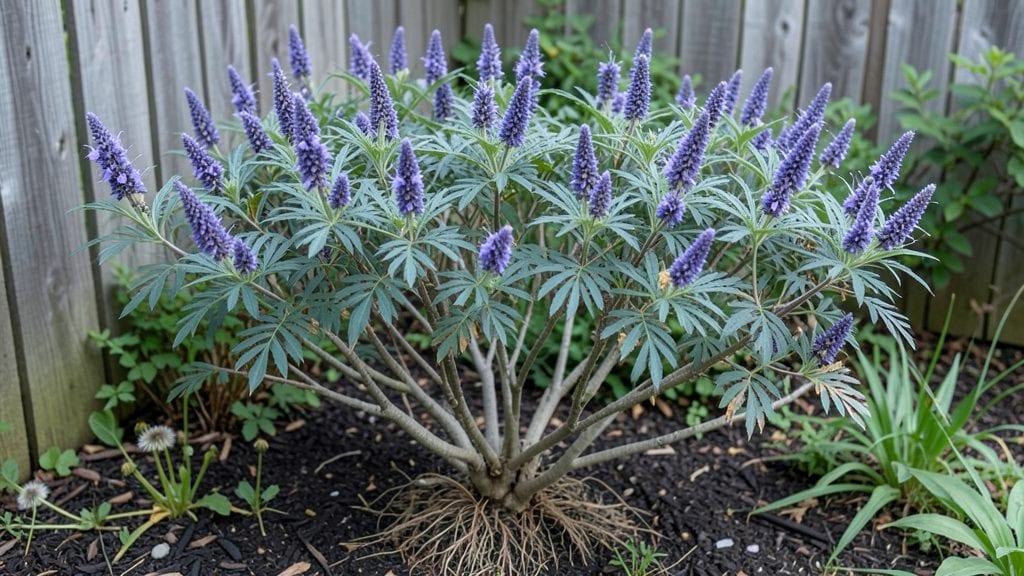
Weed like trees—those relentless invaders that shoot up faster than your annuals—demand a strategic approach, not just pulling or spraying. 🌱 I’ve battled bamboo runners and tree-of-heaven sprouts that outgrew my garden in weeks, and the key isn’t brute force but layered control: cut, smother, and repeat until the roots surrender.
The problem starts underground. These weeds spread via deep rhizomes or prolific seeds, so surface treatments fail. My breakthrough came when I combined hand-digging mature stems (gloves on—some are toxic!) with thick cardboard mulch to starve the roots.
For stubborn species like black locust, a three-year commitment to consistent removal is non-negotiable.
By combining mechanical removal with organic barriers, you’ll see new growth slow within 2-4 weeks of starting. The goal isn’t instant eradication but long-term suppression—think of it as a marathon, not a sprint. Even aggressive weeds like bamboo can be tamed with persistence and the right tools.
Regional differences matter: bamboo thrives in humid climates, while tree-of-heaven spreads faster in disturbed soil. Always check local regulations before using herbicides, especially near waterways. The right method depends on your climate, soil, and how far these weeds have already taken root.
The Hidden Triggers Behind Uncontrolled Growth
When your cannabis plants start growing like trees—tall, leggy, and wild—it’s usually a sign that something’s off in their environment or care routine. Understanding the root causes (pun intended) can help you take corrective action before your plants become unmanageable.
Here’s a breakdown of the most common culprits and why they send your plants into overdrive.
Cannabis plants are photoperiod-dependent, meaning their growth phases are triggered by light cycles. When they don’t get the right amount of light—whether it’s too much (like direct midday sun) or too little (like weak indoor lighting)—they stretch and thin out in a desperate bid for survival.
This phenomenon is called etiolation, and it turns your plants into spindly, weed-like trees.
- Too much light: Intense sunlight (especially in hot climates) can scorch leaves and force plants to grow taller to escape damage. This often happens in outdoor setups without proper shade.
- Too little light: Weak or inconsistent light (common in dense canopies or low-wattage grow setups) triggers light deprivation, causing plants to stretch toward any available light source.
Actionable fix:
- Outdoors: Use shade cloth (30-50%) to diffuse harsh sunlight, especially during peak hours.
- Indoors: Ensure your grow lights are the correct distance (typically 18-24 inches for LED/MH lights) and provide 18-24 hours of light in the vegetative stage.
- Consider light deprivation techniques (like 12/12 cycles) if you’re transitioning to flowering, but avoid it in veg.
Cannabis plants are sensitive to waterlogged soil, which can suffocate roots and force them to grow upward in search of oxygen. Overwatering—especially with poor drainage—leads to root rot and weak stems, causing plants to lean or stretch unnaturally.
Even underwatering can trigger stress, but the result is often the same: a plant that grows tall and weak to reach moisture.
- Signs of overwatering:
- Yellowing leaves (chlorosis)
- Mushy stems or wilting despite wet soil
- Slow growth with a "drowning" appearance
- Signs of poor drainage:
- Water pooling at the base of the pot
- Soil that stays soggy for days after watering
- Roots exposed at the surface (a desperate bid for air)
Actionable fix:
- Use well-draining soil mixes (60% organic matter, 30% perlite/pumice, 10% worm castings). Avoid garden soil or heavy clay.
- Water only when the top 1-2 inches of soil are dry. Stick your finger in—if it’s damp, wait.
- Add hydroponic clay pebbles or a drainage layer (like lava rock) to pots to prevent waterlogging.
- If overwatered, stop watering immediately and repot in fresh, dry soil if root rot is suspected.
Cannabis thrives in specific temperature and humidity ranges. When conditions stray too far from the ideal, plants react by growing faster or taller to escape stress. For example:
| Condition | Ideal Range | What Happens If Off? |
|---|---|---|
| Temperature (Day) | 70-85°F (21-29°C) | Above 90°F (32°C): Leaves wilt, growth slows or stretches. Below 60°F (15°C): Stunted growth, purple hues. |
| Temperature (Night) | 58-70°F (14-21°C) | Below 50°F (10°C): Cold shock can cause leggy growth as plants "panic" to mature. |
| Humidity (Veg) | 40-70% | Below 40%: Leaves crisp, plants stretch to conserve moisture. Above 70%: Mold risk, slow growth. |
| Humidity (Flower) | 40-50% | Above 60%: Bud rot, weak stems. Below 30%: Leaf burn, stressed growth. |
Actionable fix:
- Use a thermometer/hygrometer to monitor conditions in real time.
- Outdoors: Provide shade and airflow during heatwaves. Use row covers in cold snaps.
- Indoors: Invest in a small fan (for airflow) and a humidifier/dehumidifier as needed.
- For extreme temps, consider a greenhouse or climate-controlled grow tent.
Too much or too little of certain nutrients can send your plants into overdrive. For example:
- Nitrogen (N) overload: Excess nitrogen promotes rapid leafy growth but weak stems, leading to leggy, "weedy" plants. Common in organic soils or over-fertilized setups.
- Phosphorus (P) deficiency: Plants may stretch to seek out more nutrients, especially in flowering stages.
- Potassium (K) deficiency: Weak stems and poor structural integrity make plants prone to bending or breaking.
Actionable fix:
- Test your soil or runoff with a TDS meter or nutrient test kit to avoid guesswork.
- Flush your soil with pH-balanced water (6.0-7.0 for soil, 5.5-6.5 for coco) if you suspect nutrient burn.
- Use a balanced fertilizer (e.g., 3-4-3 or 5-5-5 NPK ratio) in veg, and switch to a higher phosphorus (e.g., 1-5-1) in flower.
- Avoid "feeding" plants that show signs of stress—let them recover first.
Not all cannabis strains are created equal. Some genetics are naturally tall and fibrous, especially sativa-dominant or landrace strains adapted to wild, open environments. If you’re growing a strain like Durban Poison or Jack Herer, expect a tree-like structure—it’s in their DNA!
Additionally, autoflowering strains may grow tall quickly due to their rapid life cycle, while photoperiod plants stretch if their light cycles are disrupted.
Actionable fix:
Fix Overgrown Tree Weeds Naturally
If your garden or yard is overrun with weed-like trees—those fast-growing, invasive species that crowd out your desired plants—don’t despair. With the right approach, you can reclaim control without harsh chemicals. Below, we break down the most common causes and provide practical, step-by-step solutions to tackle them effectively.
When weeds or unwanted trees thrive, it’s often because they outcompete your plants for nutrients, water, and sunlight. Dense root systems and rapid growth make them nearly impossible to outmuscle without intervention.
🔥 Solution: Improve Soil Health & Mulch Strategically
- 🍳 Test Your Soil
- Use a DIY soil test kit (or send a sample to a local extension office) to check pH and nutrient levels.
- Fix imbalances: Add compost (for organic matter), lime (to raise pH), or sulfur (to lower it).
- 👨🍳 Apply Organic Mulch
- Spread 3–4 inches of mulch (wood chips, straw, or pine needles) around desired trees/plants—but keep it 6 inches away from tree trunks to prevent rot.
- Mulch blocks sunlight (weakening weeds) and retains moisture (helping your plants thrive).
- 🥘 Plant Competitive Ground Covers
- Install clover, creeping thyme, or ornamental grasses to outcompete weeds naturally.
- These plants smother invaders while adding beauty and ecosystem benefits.
Some "weed trees" (like tree-of-heaven, Russian olive, or Bradford pear) send out aggressive roots that spread underground, making them nearly indestructible with surface methods.
⚔️ Solution: Target Roots & Prevent Spread
- 🔪 Dig Out the Source (For Small Patches)
- Use a shovel or root saw to cut roots 6–12 inches deep—even if the top is gone, fragments can regrow.
- Pro tip: Wear gloves and dispose of roots in sealed bags (don’t compost them!).
- 🌡️ Solarize the Soil (For Large Areas)
- Cover the area with clear plastic sheeting for 4–6 weeks in hot sun.
- The trapped heat kills roots and seeds without chemicals.
- 🎯 Apply Vinegar or Salt (Spot Treatment)
- Mix 1 gallon white vinegar + 1 cup dish soap + 1 cup salt and spray directly on leaves/roots.
- Warning: Avoid spraying desired plants—this is not selective.
When sunlight is abundant but your garden lacks structure, weeds and fast-growing trees fill the gaps. This is especially true in newly cleared land or neglected yards.
🏡 Solution: Design for Success
- 🌳 Plant in Layers (The "Forest Garden" Method)
- Tall trees (oak, maple) → Medium shrubs (serviceberry, dogwood) → Low ground covers (ferns, hostas).
- This creates natural shade, reducing weed growth over time.
- ⏰ Schedule Strategic Pruning
- Trim weed trees in early spring (before new growth) to weaken them.
- Remove only 20–30% of branches at a time to avoid stressing the plant.
- 💡 Install Physical Barriers
- Use landscape fabric under mulch or hardware cloth buried 12 inches deep to block root intrusion.
- For borders, try gravel or stepping stones to prevent weed seeds from taking hold.
Once you’ve cleared the invaders, keep them from returning with these low-maintenance habits:
- 🌱 Plant Dense Ground Covers – Options like ajuga, sedum, or pachysandra outcompete weeds.
- 💧 Water Deeply & Infrequently – Encourages deep roots in desired plants, making them more resilient.
- 🕰️ Stay Vigilant in Spring – Pull weeds before they seed (early spring is critical).
- 🌿 Use Sheep or Goats – For large areas, grazing animals can clear weeds naturally (check local regulations).
With the right mix of soil improvement, root control, and smart planting, you can transform an overgrown mess into a thriving, low-maintenance landscape. Start with one method, monitor progress, and adjust as needed—your yard will thank you!
Frequently asked questions about managing fast-growing tree-like weeds
What are the most aggressive tree-like weeds I should watch for?
Look for species like tree-of-heaven (with its toxic sap), Russian olive (deep taproots), or bamboo (rhizome spreaders). These invaders can double in height within a single growing season and outcompete native plants. Early identification is key—check for rapid vertical growth and dense foliage that blocks sunlight.
How long does it take to completely remove invasive tree weeds?
Most aggressive species require 2-5 years of consistent effort, depending on root depth. For example, bamboo may resprout from even small root fragments, while tree-of-heaven can regenerate from stumps. Focus on annual root pruning combined with mulching to starve remaining roots over time. Patience is critical—think of it as a marathon, not a sprint.
Are there organic herbicides that work better than vinegar?
Yes! Corn gluten meal (applied pre-emergence) prevents seed germination, while clove oil or citrus solvent mixtures (1% concentration) can kill established weeds without harming soil microbes. For tougher species, try boiling water poured directly on roots—it works best on small patches in warm weather. Always test on a small area first.
Can I still plant flowers or vegetables where tree weeds grew?
but first solarize the soil for 4-6 weeks or use cardboard mulch to kill remaining roots. Test soil pH afterward—many invasive species thrive in alkaline conditions. Plant competitive ground covers like clover first to suppress regrowth, then add your flowers or veggies once the area is clear.
What's the best time of year to tackle these weeds?
Early spring (just as new shoots emerge) or late fall (before dormancy sets in) are ideal. In spring, young shoots are easier to remove, while fall treatments prevent seed production. Avoid working in extreme heat—soil is more workable in morning or evening when temperatures are mild.