
Blooming
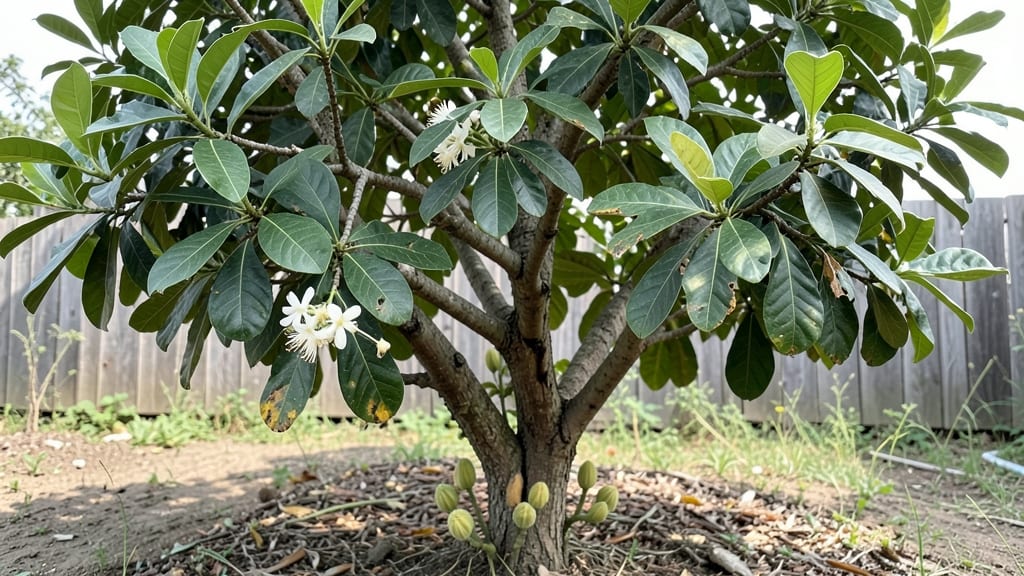
Understanding the mango tree flowering stages 🥭 is the secret to turning those stunning blossoms into a bountiful harvest.
Watching your mango tree bloom is one of the most exciting parts of growing this tropical fruit—but understanding each flowering stage is key to maximizing fruit production. From delicate panicles to heavy blossoms, here’s what to expect at every critical phase.
If you’ve ever wondered why some trees flower but never set fruit, or how to tell if your tree is thriving or struggling, the answer lies in these stages. Each phase—from bud formation to fruit drop—tells a story about your tree’s health and what it needs next.
Below, I’ll walk you through the four key stages of flowering, what to look for at each step, and how to give your mango tree the best chance at a successful harvest.
Whether you’re a first-time grower or a seasoned enthusiast, these insights will help you troubleshoot and optimize every season.
The 4 key stages of mango tree flowering explained
Understanding the 4 key stages of mango tree flowering helps you anticipate blooms and boost fruit production. Each phase—from bud formation to fruit set—requires specific care to ensure a successful harvest. Let’s break down what happens during each stage and how climate and variety influence the process.
First, your mango tree enters the pre-flowering stage, where tiny buds form along the branches. This typically occurs in late winter or early spring, depending on your climate zone.
In warmer regions like USDA Zones 10-11, flowering can happen year-round, while cooler zones (like Zone 9b) may see blooms in late winter.
Next comes panicle development, where those buds elongate into dense clusters called panicles. These structures hold both male and female flowers, but not all will develop into fruit. Varieties like Keitt or Haden produce heavier panicles, while others like Valencia Pride may have lighter blooms.
The bloom timing stage is when flowers open, revealing vibrant colors ranging from creamy white to pinkish hues. This phase lasts about 3-5 days and is critical for pollination. Humidity and temperature play a huge role here—ideal conditions are 75-85°F with moderate humidity.
Finally, the post-flowering stage involves fruit set, where fertilized flowers develop into tiny mangoes. Not all flowers will set fruit, especially if pollination was poor or environmental stress occurred. Thinning may be necessary to ensure larger, healthier fruit.
Climate plays a huge role in each stage. For example, cool nights (below 60°F) can delay bud formation in Zone 9b, while excessive heat (above 95°F) may cause flower drop. Varieties like Cogshall thrive in cooler climates, while Tommy Atkins prefers warmer zones.
During panicle development, ensure your tree gets enough water—deep watering every 3-5 days prevents stress. Overhead watering can damage flowers, so use drip irrigation instead. This stage is also when you’ll see the most visual differences between varieties, with some producing bushier panicles than others.
When flowers bloom, pollinators like bees are essential. If you’re in a low-pollinator area, consider hand-pollinating with a soft brush. After blooming, watch for flower drop, a normal process where excess flowers fall to focus energy on remaining fruit. However, excessive drop may signal poor pollination or stress.
In the post-flowering stage, thin fruit to 6-8 inches apart to avoid overcrowding. This ensures larger, healthier mangoes. Monitor for fruit fly infestations or fungal issues like anthracnose, especially in humid climates. Regular pruning also improves airflow, reducing disease risk.
Pro tip: Keep a flowering journal to track stages year by year. Note when buds appear, bloom timing, and any environmental factors that affected fruit set. Over time, you’ll spot patterns and adjust care accordingly.
🌱
How to identify healthy vs. unproductive flowering in mango trees
When your mango tree starts flowering, it’s easy to assume all those panicles will turn into sweet fruit—but not all blooms are created equal. Healthy flowering means vigorous panicles, abundant pollen production, and strong fruit set.
Unproductive flowering, on the other hand, shows up as weak growth, sparse blooms, or flowers that drop too soon. Knowing the difference can save you from disappointment and help you take corrective action early.
One of the first signs of trouble is weak or sparse panicles. Healthy panicles should be dense, upright clusters with a vibrant green or pinkish hue, depending on the variety.
If you notice thin, drooping panicles with few buds, this could indicate nutrient deficiencies, water stress, or improper pruning from the previous season. Even worse, if panicles form but fail to open into flowers, your tree might be struggling with environmental stressors like extreme heat or cold snaps.
⚠️
- Weak panicles: Thin, sparse clusters with few buds (⚠️ Nutrient deficiency)
- Premature flower drop: Blooms falling off within 3-5 days (⚠️ Pollination failure)
- No pollen: Flowers lack yellow dust (⚠️ Poor male flower development)
- Stunted growth: Leaves yellowing or wilting (⚠️ Water or disease stress)
These signs often appear together—addressing one issue (like watering or fertilizing) can improve others.
Poor pollination is another silent killer of mango fruit set. Even if your tree is covered in flowers, if bees or wind aren’t transferring pollen effectively, those blooms will drop without setting fruit.
Look for male flowers (smaller, with no petals) and female flowers (larger, with a tiny ovary at the base). If you see mostly male flowers or flowers that don’t open fully, hand-pollination might be necessary.
A quick test: Gently shake branches during peak bloom hours (early morning) to encourage natural pollen spread.
Environmental stressors like temperature swings, high humidity, or drought can also derail flowering. Mango trees thrive in warm, dry conditions during bloom—if nights dip below 60°F (15°C) or days exceed 95°F (35°C), flowers may abort.
Keep an eye on your tree’s leaf health: Dark spots, curling edges, or sudden leaf drop are all signs the tree is struggling to support flowering. In such cases, shade cloth during extreme heat or mulching to retain moisture can make a big difference.
Don’t forget to check the root zone—healthy roots are the foundation of strong flowering. If your mango tree’s soil is waterlogged or compacted, roots can’t absorb nutrients efficiently, leading to weak panicles. Amend the soil with organic matter like compost or well-rotted manure, and ensure proper drainage.
A simple soil test can reveal deficiencies in potassium or phosphorus, both critical for flowering. If needed, apply a balanced fertilizer (like 6-6-6) in early spring to give your tree a nutrient boost before bloom season.
Finally, compare this year’s flowering to previous years. A mature mango tree should produce 2-3 flowering cycles annually in ideal conditions. If you notice a sharp decline in panicle production or fruit set, it’s time to reassess your care routine.
Sometimes, even the healthiest trees need a pruning session to remove dead wood or overcrowded branches, which can improve airflow and light penetration—both essential for robust flowering.