
Watering
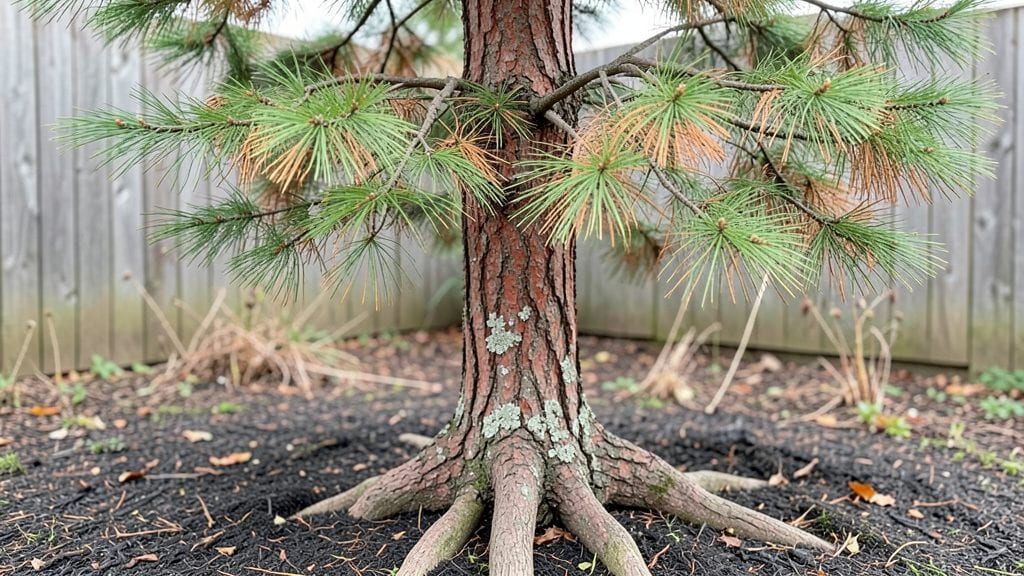
Cultivating a water cypress tree transforms soggy corners into striking focal points. 🌿 This native wetland beauty thrives where other trees would rot, with its distinctive knees emerging from marshy soil and feathery foliage that turns golden in autumn.
My first attempt nearly drowned—until I learned the secrets of proper drainage and moisture balance that keep roots happy without waterlogging.
The key lies in mimicking its swampy origins: plant in 6+ inches of standing water during wet seasons, but ensure the soil drains away from the trunk to prevent rot. Partial sun works best—morning light builds strength while afternoon shade prevents leaf scorch.
For beginners, start with a 5-gallon container to test your site’s moisture levels before committing to permanent planting.
Once established, water cypress demands minimal fuss beyond occasional pruning to shape its weeping branches. The payoff? A tree that stays lush and disease-resistant through droughts and floods alike, with bark that develops rich, cinnamon tones as it matures.
Your neighbors will ask how you coaxed such drama from a "problem spot."
Perfect for ponds, rain gardens, or any area where water pools—just avoid heavy clay soils that trap too much moisture. The first year is critical; after that, this tree becomes the low-maintenance star of your landscape. Ready to turn that soggy patch into a showstopper?
Root Rot’s Silent Threat
The water cypress tree (Taxodium distichum), also known as bald cypress or southern cypress, thrives in soggy soils—but even it can fall victim to root rot when conditions go awry.
This fungal or bacterial infection chokes the roots by blocking oxygen and nutrient uptake, turning your swampy garden star into a sad, wilting shadow. Let’s break down why this happens—and how to stop it before it’s too late.
Water cypress trees love moisture, but too much water is a recipe for disaster. When roots sit submerged for prolonged periods—especially in heavy, clay-rich soils—they suffocate. Here’s the science:
- Oxygen starvation: Roots need aeration to respire. In waterlogged soil, oxygen levels plummet, forcing roots to switch to anaerobic (oxygen-free) metabolism. This produces toxic byproducts like ethanol, which damages cells.
- Fungal feast: Stagnant water creates the perfect breeding ground for Phytophthora and Pythium fungi. These pathogens thrive in saturated conditions, infiltrating root tissues and clogging vascular pathways with gum-like plugs.
- Nutrient lockout: Waterlogged soils bind essential nutrients (like nitrogen and phosphorus) into forms the tree can’t access, starving the roots even as they drown.
Actionable fix:
- ✅ Improve drainage: Amend soil with organic matter (compost, peat moss) or install a French drain to redirect excess water.
- ✅ Avoid compacted soil: Aerate the root zone with a garden fork or root aerator to create air pockets.
- ✅ Raise the root crown: If planting in a boggy area, mound soil around the base to keep roots slightly elevated.
Fungal root rot isn’t just about water—it’s about the perfect storm of moisture, warmth, and poor airflow. Here’s how pathogens exploit your water cypress:
| Pathogen | How It Attacks | Warning Signs |
|---|---|---|
| Phytophthora ("water mold") | Invades root tips, cutting off water/nutrient flow. Spreads via zoospores (tiny swimming spores) in standing water. | Dark, mushy roots; wilting despite wet soil; leaf yellowing (even in high humidity). |
| Pythium ("damping-off fungus") | Thrives in cool, waterlogged soils. Releases enzymes that digest root cell walls, causing collapse. | Soft, brown roots; seedlings may rot before sprouting. |
| Armillaria ("honey fungus") | Attacks stressed trees via root grafts. Spreads underground in rhizomorphs (fungal "roots"). | White, fan-shaped mushrooms at the base; target-shaped cankers on roots. |
Actionable fix:
- 💡 Prevent spread: Remove infected plants and sterilize tools with 70% isopropyl alcohol.
- 🌡️ Adjust moisture: Water deeply but infrequently (1–2 inches per week) to avoid soggy soil.
- ✨ Boost resistance: Apply copper fungicide (e.g., Bordeaux mixture) or beneficial microbes like Trichoderma to outcompete pathogens.
Water cypress trees are hardy, but extreme temperature shifts—especially in waterlogged soils—can weaken roots, making them prime targets for rot. Here’s why:
- Cold shock: In winter, frozen soil traps water around roots, creating hypoxic (oxygen-deprived) zones. Roots struggle to absorb water, leading to cold injury and fungal entry points.
- Heat stress: During summer, waterlogged soil retains heat, raising root-zone temperatures above 90°F (32°C). This cooks roots and disrupts microbial balance, allowing pathogens to dominate.
- Transplant trauma: Moving a water cypress without adjusting to its new environment (e.g., planting in hot, dry soil after a swampy nursery) causes osmotic shock, weakening defenses.
Actionable fix:
- 🔥 Mulch like a pro: Apply 3–4 inches of mulch (wood chips, pine straw) to insulate roots and regulate soil temp.
- 🌡️ Acclimate transplants: Harden off nursery-grown trees by gradually reducing water 2 weeks before planting.
- 🌿 Shade young trees: Use shade cloth to protect roots from extreme heat in the first growing season.
Not all swampy soils are equal. Heavy clay or compacted soil holds water like a sponge, suffocating roots even if the surface looks dry. Here’s how to diagnose and fix it:
Red flags:
- Soil stays muddy for days after rain.
- Water pools on the surface even on a slight slope.
- Roots are dark, slimy, and lack fibrous growth.
Actionable fix:
- 🔪 Break up compaction: Rent a core aerator or use a broadfork to punch holes 12+ inches deep.
- 🌱 Add organic amendments: Mix in compost, coconut coir, or perlite to improve drainage.
- 💧 Test your soil: A percolation test (dig a hole, fill with water, time how long it drains) helps determine if you need sand or gravel amendments.
Revitalize Your Swampy Beauty
Got a water cypress tree struggling in your wetland garden? 🌿💦 Don’t worry—with the right care, you can bring it back to its lush, swampy glory. Below are practical, step-by-step solutions tailored to common issues, from root rot to nutrient deficiencies, plus prevention tips to keep your tree thriving long-term.
Cause: Overwatering, poor drainage, or soggy soil suffocating roots. Solution:
- 🔥 Assess the Damage Gently dig around the base (1–2 inches deep) to check for mushy, black roots. Healthy roots are firm and light brown.
- 🍳 Drain the Swamp If your tree is in a pond or bog, ensure water levels are no deeper than 1–2 feet around the base. For container-grown trees, add a drainage layer (gravel or broken pottery) at the bottom.
- 👨🍳 Prune Problem Zones Trim any black, slimy roots with sterilized shears. Avoid cutting healthy roots—focus only on the rotted sections.
- 🥘 Boost Aeration Mix sand or perlite into the soil (20–30%) to improve drainage. For in-ground trees, consider raising the soil level slightly with compost or peat moss.
💡 Prevention Tip:
- Test your soil’s moisture before watering—stick your finger in the top 2 inches. If it’s damp, wait.
- Avoid compacted soil—mulch with wood chips or pine straw to keep roots airy.
Cause: Yellowing leaves, stunted growth, or weak stems from poor soil quality. Solution:
- 📊 Soil Test First Use a DIY soil test kit (available at garden centers) to check pH and nutrient levels. Water cypress thrives in acidic to neutral soil (pH 5.0–7.0).
- 💪 Fertilize Smartly
- For acidic soil: Apply peat moss or sulfur to lower pH.
- For nutrients: Use a slow-release, water-soluble fertilizer (like 10-10-10) in early spring. Avoid heavy nitrogen—it burns roots!
- 🥗 Organic Boost Mix compost or worm castings into the top 6 inches of soil. Water cypress loves organic matter for long-term health.
✨ Pro Tip:
- Fish emulsion or seaweed extract (diluted to 1 tbsp/gallon) gives a quick nutrient kick without overloading roots.
Cause: Brown spots, holes in leaves, or fungal growth from humidity. Solution:
- 🔪 Identify the Culprit
- Scale insects? Scrape off with a soft brush.
- Fungal spots? Look for powdery mildew (white fuzz) or rust (orange pustules).
- Caterpillars? Handpick or use neem oil spray (1 tsp per quart of water).
- 🌡️ Treat Fungus Spray leaves with a copper fungicide or baking soda mix (1 tbsp baking soda + 1 quart water + a drop of dish soap). Reapply every 7–10 days.
- 🎯 Improve Airflow Thin out overcrowded branches to reduce humidity trapped near the foliage.
💡 Prevention Tip:
- Prune regularly to remove dead wood—this stops pests from nesting.
- Avoid overhead watering—use drip irrigation or water at the base.
Cause: Brown, crispy leaves or dieback after frost. Solution:
- 🍂 Mulch Like a Pro Spread 3–4 inches of mulch (pine straw or shredded bark) around the base after the first frost to insulate roots.
- 🧊 Protect Young Trees Wrap the trunk in burlap or use a tree guard to shield it from winter sunburn (when cold air meets warm sunlight).
- 💦 Adjust Watering Reduce watering in late fall—let the soil dry slightly between drinks. Resume normal watering in early spring.
🔥 Emergency Fix: If branches die back, prune them in late winter (just above a healthy bud) to encourage new growth.
Final Thought: A water cypress tree is resilient—with the right adjustments, it’ll bounce back stronger than ever. Monitor, adapt, and enjoy your swampy oasis! 🌊🌿
Frequently asked questions about water cypress trees
Can water cypress trees grow in containers?
Yes! They thrive in 5+ gallon containers with a mix of peat moss, sand, and perlite for drainage. Use a pot with drainage holes and keep the soil consistently moist (but not soggy). For mature trees, upgrade to a 15+ gallon container to accommodate their spreading roots.
How do I tell if my water cypress needs more water?
Check the top 2 inches of soil—if it’s dry, water deeply. Look for drooping leaves or yellowing foliage as signs of thirst. In containers, water when the soil feels lighter than usual. Overwatering is riskier than underwatering for these trees!
Why does my water cypress have strange knee-like roots?
Those are called cypress knees—unique aerial roots that emerge from swampy soils! They help the tree breathe in waterlogged conditions and aren’t harmful. Knees develop more prominently in shallow water or poorly drained soils, so if they’re excessive, check your drainage.
Can water cypress trees handle full sun exposure?
They prefer partial sun (4–6 hours daily) to protect delicate foliage from scorching. In hot climates, provide afternoon shade. Young trees especially need gradual sun exposure—start with morning sun only before moving to full sun over weeks.
How fast do water cypress trees grow?
Expect 12–24 inches per year in ideal conditions, with faster growth in wet, nutrient-rich soils. In containers, growth may slow slightly. Prune in late winter to shape the tree and encourage denser foliage while it’s dormant.