Watering
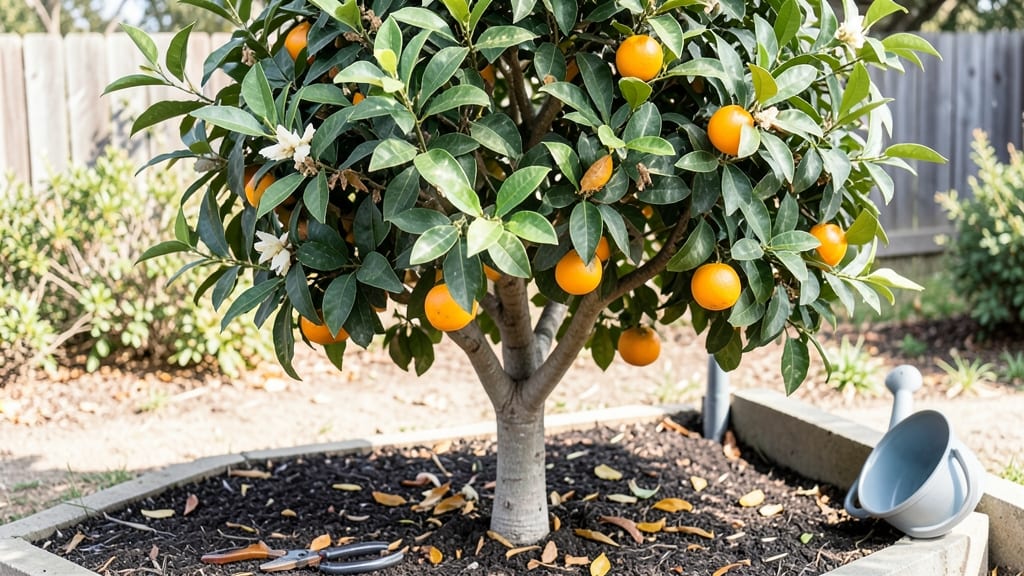
Watering an orange tree 🍊 isn’t just about keeping the soil damp—it’s the foundation for sweet fruit, vibrant blooms, and a tree that thrives for decades.
Struggling to grow a thriving orange tree with juicy, sweet fruit? The secret isn’t just sunlight—it’s a precise watering schedule that adapts to every season. Get it wrong, and you’ll sacrifice blossoms, fruit drop, or even lose your tree entirely.
Most gardeners overcomplicate it, but the real key is consistency and depth. Shallow watering stresses roots, while drowning them in winter kills growth.
I’ll show you exactly how often to water, how deep to go, and when to cut back—so you avoid the most common mistakes that waste years of effort.
By the end, you’ll know the exact schedule for your zone, whether you’re growing in a pot or in the ground, and how to spot when your tree is thirsty or drowning—before it’s too late.
Seasonal watering schedule for orange trees by climate zone
Your orange tree thrives when watered with precision, not guesswork. Unlike many plants, citrus trees hate soggy roots but also wilting stress. The key? Adjusting your watering frequency by climate zone—Mediterranean, Desert, or Temperate—and matching it to seasonal needs.
A deep soak once a week in winter can turn into daily checks in scorching summer. Let’s break it down so your tree stays hydrated without drowning.
First, understand your orange tree’s root zone. Most roots live in the top 12-18 inches of soil, where they need consistent moisture but good drainage. In potted trees, roots circle the container, making them dry out 3x faster than in-ground plants.
Always water until 10% runs out of the drainage hole—this ensures roots get the deep hydration they crave.
🌱
| Climate Zone | Season | Watering Frequency | Water Amount | Key Adjustments |
|---|---|---|---|---|
| Mediterranean | Spring | Every 5-7 days | 1.5-2 gallons | Increase before blooming |
| Mediterranean | Summer | Every 3-4 days | 2-3 gallons | Mulch to retain moisture |
| Mediterranean | Fall/Winter | Every 10-14 days | 1 gallon | Reduce as temps drop |
| Desert | Spring | Every 7-10 days | 2-3 gallons | Water at night to reduce evaporation |
| Desert | Summer | Every 2-3 days | 3-4 gallons | Use drip irrigation |
| Desert | Fall/Winter | Every 2-3 weeks | 1 gallon | Minimal watering; monitor soil |
| Temperate | Spring | Every 4-5 days | 1.5 gallons | Avoid wet foliage |
| Temperate | Summer | Every 2-3 days
Critical watering mistakes that kill orange tree fruit productionYour orange tree might look healthy, but if you’re seeing yellowing leaves, blossom drop, or poor fruit set, watering could be the culprit. Orange trees are sensitive to inconsistent moisture, and even small mistakes can derail fruit production. The key is balancing root zone depth, seasonal needs, and avoiding extremes—whether it’s drought stress or waterlogged soil. I’ve seen home gardeners make costly errors, like watering only when the soil looks dry or assuming a potted orange tree needs the same care as an in-ground specimen. These oversights lead to stunted growth, fruit abortion, or even root rot. Let’s fix these common pitfalls before your tree’s next harvest season. ⚠️ Watering Orange Trees Wrong Can Ruin Your Harvest3 Critical Mistakes:
Fix it: Water deeply 1-2x per week (adjust by season) and check soil 4 inches down before watering. One of the biggest mistakes is watering based on a schedule rather than the tree’s needs. A young orange tree in a container may need water every 2-3 days in summer, while a mature in-ground tree might only require watering once a week. Always check the soil moisture—stick your finger 4 inches deep. If it’s dry, water thoroughly until it drains from the bottom. Another red flag is yellowing leaves, which often signals overwatering or poor drainage. If the leaves feel squishy or the soil smells musty, your tree is drowning. Root rot spreads quickly in waterlogged conditions, and once it sets in, it’s nearly impossible to reverse. Amend your soil with perlite or sand to improve drainage, and ensure your potted orange tree has drainage holes. During flowering and fruiting seasons, consistency is key. Sudden changes in watering—like skipping a week—can cause blossom drop or fruit abortion. If you notice small or misshapen oranges, your tree might be stressed from inconsistent water. To prevent this, mulch around the base with organic matter (like wood chips) to retain moisture and regulate soil temperature. This simple step can improve fruit set by up to 30%. Don’t forget that potted orange trees dry out faster than in-ground trees. If your container is smaller than 15 gallons, you’ll need to water daily in summer to keep the roots hydrated. Use a moisture meter to avoid guesswork—these tools are a game-changer for container growers. And always water in the early morning to reduce fungal diseases like citrus blight. Here’s a quick diagnostic checklist to troubleshoot your orange tree’s watering issues: ☑️ Are leaves yellowing at the edges? → Likely overwatered or nutrient deficiency. ☑️ Dropping blossoms or small fruit? → Inconsistent watering or heat stress. ☑️ Soil feels dry 4 inches down? → Needs deep watering immediately. ☑️ Fruit is bitter or sour? → Possible underwatering stress during growth. |