
Flowers
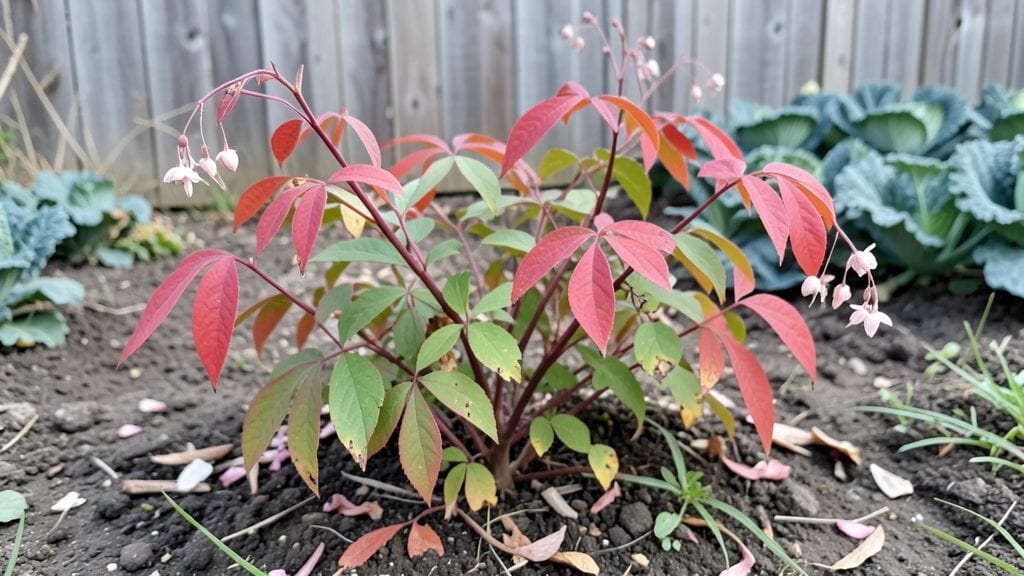
Trees with red leaves and pink flowers are the unsung stars of garden drama—think fiery foliage that lasts all winter and clouds of blossoms in spring. 🌸 I’ve planted these showstoppers in my own yard, and they’ve transformed dull corners into year-round conversation pieces.
The right one can anchor a border, frame a patio, or steal the show as a standalone specimen.
Cornus sericea (Red Twig Dogwood) and Cercis canadensis (Eastern Redbud) are my top picks for their bold color shifts and low-maintenance nature. Both thrive in full sun to partial shade and handle average soil, making them perfect for beginners or busy gardeners.
Plant them near walkways or entry points where their vibrant colors get noticed daily.
Imagine a spring burst of pink blooms followed by deep red stems that glow against snow. These trees pair beautifully with white flowering shrubs like hydrangeas or silver foliage plants like lamb’s ear to create striking contrasts.
The best part? They keep your garden lively even when other plants are dormant.
Whether you’re designing a small urban garden or a sprawling landscape, these trees deliver year-round interest with minimal fuss. Let’s pick the perfect one for your space and style—your garden deserves this kind of drama.
📚 In This Guide
- What you need
- Instructions
- Tips and common mistakes
- Wrapping up and next steps
What you need
- ● Plant Selection: 1–3 Japanese Maple (Acer palmatum) saplings (e.g., 'Bloodgood' or 'Emperor I' varieties for deep red foliage)
- ● 1–2 Coralberry (Symphoricarpos orbiculatus) or Pink Dogwood (Cornus florida 'Rubra') plants for pink blooms
- ○ Optional: 1 Smoke Bush (Cotinus coggygria 'Royal Purple') for smoky-pink hues and fiery fall leaves
- ● Soil & Fertilizer: 50 lbs well-draining garden soil (amend with compost for nutrient-rich base)
- ● 1 lb balanced fertilizer (10-10-10) or acidic fertilizer (for Japanese Maple)
- ○ 1 packet mycorrhizal fungi (boosts root health; optional but recommended)
- ● Tools: 1 garden trowel
- ● 1 pruning shears (sterilized)
- ● 1 wheelbarrow or bucket (for soil/fertilizer)
- ● 1 watering can or hose with nozzle (gentle spray setting)
- ● Mulch (3–4 inches of pine bark or wood chips to retain moisture and regulate soil temp)
- ● Epsom salt (1 tbsp/month for magnesium boost in soil)
- ● Plant supports (e.g., tree stakes for young saplings in windy areas)
- ● Slow-release rose or flowering plant food (for vibrant pink blooms)
- ● Decorative stones or garden edging (to define planting areas)
How to plant and care for stunning trees with red leaves and pink flowers
Transform your garden into a year-round masterpiece with these vibrant trees that deliver bold color.
🌱 Step 1: Choose the Right Tree Varieties for Your Climate
Start by selecting trees that thrive in your USDA hardiness zone and match your garden’s conditions. Japanese maples (Acer palmatum) like 'Bloodgood' or 'Emperor I' deliver fiery red foliage, while Cornus florida (flowering dogwood) bursts with pink spring blooms and turns crimson in fall. For year-round drama, consider Cercis canadensis 'Forest Pansy'—its deep purple leaves contrast beautifully with pink spring flowers. Check each variety’s mature size to avoid overcrowding.
I always verify a tree’s mature height (some reach 20-30 feet) and spread before planting. A dwarf variety like Cercis canadensis 'Lavender Twist' stays compact (15 feet tall) but still packs a pink floral punch. Visit a local nursery to inspect leaves and flowers in person—colors can vary slightly from photos.
🪴 Step 2: Plant at the Correct Time and Depth
Plant bare-root trees in early spring (just as buds swell) or fall (6 weeks before first frost) for best root establishment. Container-grown trees can go in anytime, but avoid extreme heat or cold. Dig a hole twice as wide as the root ball but no deeper—planting too deep suffocates roots. Amend the native soil with 2-3 inches of compost mixed into the bottom of the hole to improve drainage.
Place the tree so the top of the root ball sits 1-2 inches above ground level—this prevents soil from settling and burying the trunk. Gently spread roots outward (don’t bend them) and backfill with the amended soil, tamping lightly every 6 inches to remove air pockets. Water deeply (5 gallons) immediately after planting to settle the soil and eliminate gaps.
☀️ Step 3: Provide Ideal Light and Watering Conditions
Most red-leaved trees thrive in full sun to partial shade (6+ hours of sunlight daily). Japanese maples tolerate morning sun and afternoon shade, while dogwoods prefer dappled light to prevent leaf scorch. After planting, water deeply 2-3 times per week for the first month, then taper to once a week once established (adjust for rain—soil should stay 2-3 inches moist but not soggy).
Mulch the base with 2-3 inches of organic mulch, keeping it 6 inches away from the trunk to prevent rot. Replace mulch annually—it breaks down quickly and loses effectiveness. Watch for yellowing leaves or drooping branches, which signal overwatering or poor drainage. If leaves crisp at the edges, your tree needs more shade or consistent moisture.
✂️ Step 4: Prune for Health and Shape
Prune in late winter or early spring (before buds swell) to remove dead, diseased, or crossing branches. Use clean, sharp pruners to make cuts just outside the branch collar (the swollen area where the branch meets the trunk). Avoid heavy pruning—these trees flower on old wood, so aggressive cuts reduce next year’s blooms. Thin out 10-15% of the canopy at most to improve airflow and sunlight penetration.
Shape young trees by pinching back new growth tips in early summer to encourage bushier growth. For mature trees, focus on structural integrity—remove branches that rub against each other or grow inward. After pruning, apply a balanced fertilizer (10-10-10) in early spring to support new growth, but skip fertilizer if your soil is already rich in organic matter.
🌿 Step 5: Protect and Maintain for Long-Term Color
Watch for aphids or scale insects, which suck sap and weaken trees. Spray with neem oil or insecticidal soap at the first sign of pests (sticky leaves or white residue). Japanese maples are especially prone to leaf spot diseases—remove fallen leaves promptly and avoid overhead watering. In winter, wrap young trees with burlap if your zone drops below 10°F to prevent frost cracks.
Feed established trees with compost tea or a slow-release granular fertilizer every 2-3 years in early spring. Monitor soil moisture—drought stress causes leaves to lose their vibrant color. A healthy tree with rich red foliage and abundant pink flowers is your reward for consistent care. Celebrate your progress with photos each season to track its stunning transformation!
Tips & tricks for stunning trees with red leaves and pink flowers
These game-changing tips will help you transform your garden into a vibrant, year-round masterpiece with bold colors that turn heads!
Selection Tip: Don't just go by photos when choosing your trees—colors can vary dramatically in person. Japanese maples like 'Bloodgood' often appear even more vibrant in sunlight, while 'Emperor I' develops deeper red tones as it matures. For dogwoods, look for buds that are already showing pink hints—they're the best indicators of spring blooms. I've learned this the hard way after planting trees that looked perfect in the catalog but paled in my garden!
Planting Secret: The 6-week window before first frost is your sweet spot for fall planting, but don't stress if you miss it. Bare-root trees can actually handle being planted up to 2 weeks before frost in most climates, as long as the ground isn't frozen. Just be sure to water thoroughly before the first hard freeze hits. For container-grown trees, you have more flexibility—they can go in anytime except during extreme heat or cold.
Watering Wisdom: Those first 30 days are critical! Water deeply 2-3 times per week right after planting, but don't create a soggy mess. The goal is to keep the soil 2-3 inches moist—think of it like giving your tree a long, refreshing drink rather than a quick sip. I use a moisture meter to check, but you can also stick your finger in the soil: if the top 2 inches feel dry, it's time to water. Mulch helps retain moisture, but don't pile it against the trunk—keep it 6 inches away to prevent rot.
Pruning Pro Tip: When shaping young trees in early summer, focus on pinching back the newest growth tips rather than cutting into established branches. This encourages bushier growth without sacrificing next year's pink blooms. For mature trees, remember the 10-15% rule—never remove more than that from the canopy at once. I always prune on a dry day when temperatures are mild; early morning is ideal for avoiding stress on the tree.
Pro Tips for Tree Red Leaves Pink Flowers
- These game-changing tips will help you transform your garden into a vibrant, year-round masterpiece with bold colors that turn heads!
- Selection Tip: Don't just go by photos when choosing your trees—colors can vary dramatically in person.
- Planting Secret: The 6-week window before first frost is your sweet spot for fall planting, but don't stress if you miss it.
Frequently asked questions
Got questions about keeping your garden vibrant with red-leaved trees and pink-flowering varieties? Here are some common ones—and their answers—to help you plan like a pro!
What are the best trees for red leaves and pink flowers?
Top picks include Cornus mas (Cornelian cherry), Prunus serrula (Himalayan cherry), and Lagerstroemia (crape myrtle). These trees offer striking red foliage and bursts of pink blooms in spring or summer. For smaller spaces, consider Physocarpus opulifolius ‘Little Devil’—its deep red leaves contrast beautifully with clusters of pink flowers.
When do these trees bloom, and how long do the flowers last?
Blooming times vary: Cornus mas flowers in early spring (February–March), while Lagerstroemia blooms in late summer (July–September). Most pink flowers last 2–4 weeks, but deadheading spent blooms can extend the show. Red leaves typically peak in fall, but some varieties (like Prunus serrula) retain color into winter.
Do these trees need full sun, or can they grow in partial shade?
Most thrive in full sun (6+ hours/day) for optimal flowering and leaf color, but a few (like Physocarpus) tolerate partial shade (3–6 hours). If planting in shade, expect softer pink blooms and less vibrant red foliage. Test your spot: Trees in shade may need extra pruning to encourage sunlight exposure.
How do I keep the leaves red year-round?
Red leaves aren’t permanent—most trees shift to green in summer. To prolong color, plant in well-draining soil and avoid over-fertilizing (too much nitrogen turns leaves green). Prune in late winter to remove dead wood and encourage new growth with deeper red hues. Prunus serrula is an exception: Its leaves stay red longer due to natural pigmentation.
Why aren’t my tree’s leaves turning red, or are the flowers sparse?
Common culprits:
- Too much shade: Move to a sunnier spot or thin nearby branches.
- Over-fertilizing: Use a low-nitrogen, high-phosphorus fertilizer in early spring.
- Stress from drought/waterlogging: Water deeply 1–2x/week (adjust for climate).
- Improper pruning: Prune after flowering to avoid cutting next year’s blooms.
Wrapping up and next steps
Transforming your garden into a vibrant year-round color showcase is easier than you think! Trees with stunning red leaves and delicate pink flowers bring effortless beauty, requiring just a little planning and care.
Whether you’re a seasoned gardener or just starting, these plants are perfect for adding low-maintenance elegance to any outdoor space.
Ready to bring your garden to life? 🌸 Start by choosing the right tree for your climate and soil, then follow the steps above to plant and nurture it. Watch as your garden becomes a living masterpiece—one season at a time!