
Trees
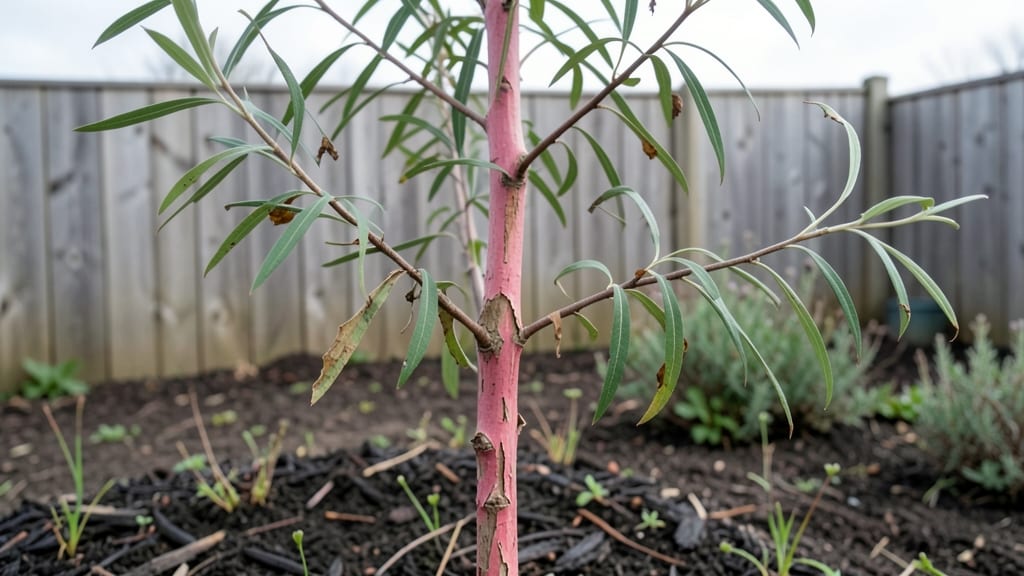
Pink willow trees turn any landscape into a dreamy, fragrant retreat with their cascading branches and soft pink blooms. 🌸 I planted mine near a small pond, and now the view feels like a secret garden—private, serene, and always changing with the seasons.
The way they sway in the breeze creates movement that no stiff hedge could ever match.
These trees shine as year-round privacy screens when planted in clusters, their dense foliage blocking views while letting light through. In spring, the pink catkins add a romantic touch, while fall brings golden hues that glow in the afternoon sun.
Pair them with hostas or ferns for a lush understory, or let them stand alone as dramatic focal points.
You’ll love how they soften hard edges—whether framing a patio, arching over a walkway, or anchoring a cottage-style garden. The fragrance alone makes them worth it, but their adaptability to wet soils means they thrive where other trees struggle.
Imagine sipping tea under their branches while the breeze carries that fresh, willowy scent.
Perfect for small spaces, water gardens, or as a living privacy barrier along property lines. Their graceful form and low-maintenance nature make them a gardener’s secret weapon for effortless elegance. Let’s bring that pink-hued magic to your outdoor space!
📚 In This Guide
- What you need
- Instructions
- Tips and common mistakes
- Wrapping up and next steps
What you need
- ● Pink willow tree saplings: 1–3 (depending on desired coverage; dwarf varieties like Salix purpurea work well for small spaces).
- ● Well-draining soil: Mix of native soil + compost (60/40 ratio) or pre-mixed moisture-retentive potting soil for containers.
- ● Organic mulch: 2–3 inches of shredded bark or pine needles to retain moisture and suppress weeds.
- ● Slow-release fertilizer: 10-10-10 or balanced organic fertilizer (e.g., fish emulsion) for initial planting.
- ● Garden trowel or spade: For digging planting holes (12–18 inches deep/wide).
- ● Pruning shears: Sharp, bypass-style shears (sterilized with rubbing alcohol).
- ● Watering can or hose with nozzle: For gentle, deep watering (1–2 gallons per tree initially).
- ● Measuring tape: To ensure proper spacing (10–15 feet apart for full-grown trees).
- ● Gloves & knee pads: For comfort during planting.
- ● Container or raised bed: For urban gardens (ensure drainage holes!).
- ● Tree stakes & ties: To support young trees in windy areas.
- ● Epsom salt: 1 tablespoon per foot of tree height annually for magnesium boost.
- ● Decorative stakes or labels: To mark varieties (e.g., ‘Babylon Weeping’ or ‘Okame’).
- ● Pest deterrents: Neem oil or insecticidal soap (for aphids or spider mites).
Step-by-step guide to planting and caring for pink willow trees
Here's the straightforward approach I use to establish these stunning trees with minimal fuss.
🪴 Step 1: Choose the Perfect Planting Spot and Prepare the Soil
Pink willow trees thrive in full sun to partial shade—at least 6 hours of sunlight daily—but they tolerate some afternoon shade in hotter climates. Pick a location where the tree will have room to grow (they can reach 20-30 feet tall and 15-20 feet wide). Avoid low-lying areas where water pools, as their roots dislike soggy conditions.
Before planting, loosen the soil to a depth of 12 inches using a shovel or tiller. Amend the native soil with 2-3 inches of compost mixed into the top 6 inches—this improves drainage and provides nutrients. I like to test the soil pH first (ideal range is 6.0-7.5); if yours is off, add lime to raise or sulfur to lower it gradually. The goal is loose, well-draining soil that mimics their natural wetland habitat without being waterlogged.
🌱 Step 2: Plant Bare-Root or Container-Grown Trees Correctly
If you're planting a bare-root tree, soak its roots in lukewarm water for 1-2 hours before planting to revive them. Dig a hole twice as wide as the root ball but only as deep—the top of the root ball should sit 1-2 inches above ground level to prevent rot. This is critical: willows hate having their roots buried too deep.
For container-grown trees, remove it from the pot and gently loosen the roots if they're circling. Place the tree in the hole so the root flare (where roots meet trunk) is visible above the soil line. Backfill with native soil mixed with compost, tamping lightly every 2 inches to remove air pockets. Water deeply to settle the soil—you'll know it's right when moisture reaches 6 inches down.
☀️ Step 3: Water Deeply and Mulch for Retention
Pink willows need consistent moisture during their first growing season, especially in hot or dry climates. Water deeply once a week (or more often in extreme heat) until the soil is 6 inches moist—check by inserting a finger into the soil. Overhead watering can damage the delicate foliage, so use a soaker hose or drip irrigation at the base instead.
Spread 2-3 inches of mulch (like wood chips or pine straw) around the base, keeping it 3 inches away from the trunk to prevent rot. Mulch helps retain moisture and regulates soil temperature, but avoid piling it too high—willows have shallow roots that need air circulation. Replenish mulch annually as it breaks down.
✂️ Step 4: Prune for Shape and Health in Early Spring
Prune your pink willow in early spring (before new growth starts) to shape it and remove dead or crossing branches. Use clean, sharp pruners to make cuts just above a bud or branch collar. I like to thin out 10-20% of the branches each year to improve airflow and encourage dense foliage—this prevents disease and pests.
Never prune willows in fall or winter, as they bleed sap heavily and can weaken the tree. If you notice yellowing leaves or wilting branches, it’s often a sign of overwatering or poor drainage. Adjust your watering schedule and ensure the soil drains well—willows are tough but not swamp plants.
🌿 Step 5: Monitor for Pests and Fertilize Lightly
Pink willows are generally pest-resistant, but keep an eye out for aphids or spider mites, which can appear on new growth. Spray infested areas with neem oil or a hose blast to dislodge them—avoid chemical pesticides, as they can harm the tree’s delicate foliage. Healthy willows rarely need fertilizer, but if growth is slow, apply a balanced, slow-release fertilizer (like 10-10-10) in early spring at half strength.
This is the moment that matters: watch for new shoots in spring and vibrant pink catkins in early summer—those are your signs the tree is thriving. If you planted multiple trees, space them 15-20 feet apart for a natural privacy screen. With proper care, your pink willows will provide year-round interest and a fragrant, lush backdrop for your garden.
Tips & tricks for perfect pink willow trees
Real talk: Planting pink willows is straightforward, but these small details make all the difference between a thriving tree and one that struggles. I learned this the hard way after watching my first few trees fail—don't make my mistake!
The Sunlight Secret: Those 6 hours of sunlight are non-negotiable, but here's what nobody tells you—willows actually prefer morning sun and afternoon shade in hot climates. If you're in a sweltering zone, plant them where they get morning rays and afternoon relief from direct heat. This prevents leaf scorch while still giving them enough light to thrive. Trust me on this.
Root Revival Technique: That 1-2 hour soak for bare-root trees isn't just about hydration—it's about reviving the roots. I like to add a splash of seaweed extract (optional) to the water for extra nutrients. After soaking, gently spread the roots outward in the hole before backfilling. This encourages wider root spread right from planting day, which means faster establishment and better drought resistance.
Mulch Depth Matters: The 2-3 inches of mulch is perfect, but here's the part I wish I knew sooner: refresh that mulch layer every spring before new growth starts. As it breaks down, it compacts and can suffocate those shallow roots. I use pine straw because it breaks down slowly and stays loose, but wood chips work too if you top it with a fresh layer annually. Keep that 3-inch clearance from the trunk sacred—it prevents rot and encourages strong growth.
Pruning Timing is Everything: Early spring pruning is critical, but the real secret is watching for those new shoots that appear in late winter. These are your first sign that the tree is waking up. Wait until you see them before pruning—this ensures you're cutting only dead or crossing branches and not removing potential growth. I make my cuts just above a bud that's facing outward, which promotes bushier growth and better airflow through the canopy.
Pro Tips for Pink Willow Trees
- Real talk: Planting pink willows is straightforward, but these small details make all the difference between a thriving tree and one that struggles.
- The Sunlight Secret: Those 6 hours of sunlight are non-negotiable, but here's what nobody tells you—willows actually prefer morning sun and afternoon shade in hot climates.
- Root Revival Technique: That 1-2 hour soak for bare-root trees isn't just about hydration—it's about reviving the roots.
Frequently asked questions
Got questions about pink willow trees? You’re not alone! Below, we tackle the most common concerns—from planting tips to long-term care—so you can enjoy their stunning blooms and privacy hassle-free.
How fast do pink willow trees grow, and when will they provide privacy?
Pink willow trees (Salix alba 'Britzensis') are fast growers, often adding 3–5 feet per year under ideal conditions. With proper care, they can reach 15–25 feet tall in 5–7 years, offering quick privacy for fences, yards, or water features. Plant them in moist, well-drained soil and full sun for optimal growth!
Are pink willow trees cold-hardy? Can they survive winter?
These trees thrive in USDA Zones 4–9, making them perfect for most U.S. climates. While they do drop leaves in winter, their woody stems and flexible branches remain sturdy. Mulch the base in late fall to protect roots from freezing temps.
Do pink willow trees need a lot of water? How often should I water them?
Yes! Pink willows love moisture—especially in their first 1–2 years. Water deeply 2–3 times per week during dry spells, keeping soil consistently damp (but not soggy). Once established, they’re drought-tolerant but will wilt without regular water in hot climates.
Can I prune pink willow trees? How do I keep them from getting too wild?
Pruning is key to managing their weeping, willowy shape. Trim late winter or early spring before new growth starts. Remove dead or crossing branches first, then thin out overcrowded stems to improve airflow. Avoid heavy pruning in summer—it can stress the tree!
Are there alternatives to pink willow trees for privacy with less maintenance?
If pink willows seem high-maintenance, consider these low-fuss alternatives:
- Weeping Cherry (Prunus subhirtella): Fragrant blooms + compact size (15–20 ft).
- Empress Tree (Paulownia tomentosa): Fast-growing (10+ ft/year) but needs space.
- Dwarf Fountain Grass (Pennisetum alopecuroides): Ornamental grass for texture (3–4 ft tall).
- Boxwood Hedges (Buxus spp.): Evergreen privacy with minimal pruning.
Choose based on your climate, space, and sunlight!
Wrapping up and next steps
Pink willow trees are the perfect blend of beauty and function—offering fragrant blooms, lush foliage, and year-round privacy with minimal fuss. Whether you're a gardening newbie or a seasoned pro, their adaptability and charm make them a standout choice for any landscape.
Ready to transform your outdoor space? Start by sketching your design, gathering supplies, and planting with confidence!
- 🌱 Next Step: Pick your spot, grab those tools, and let the magic of pink willows grow your vision into reality.
- 💡 Pro Tip: Check local nurseries for young saplings—some even offer planting services to ease the process!