
Flowers
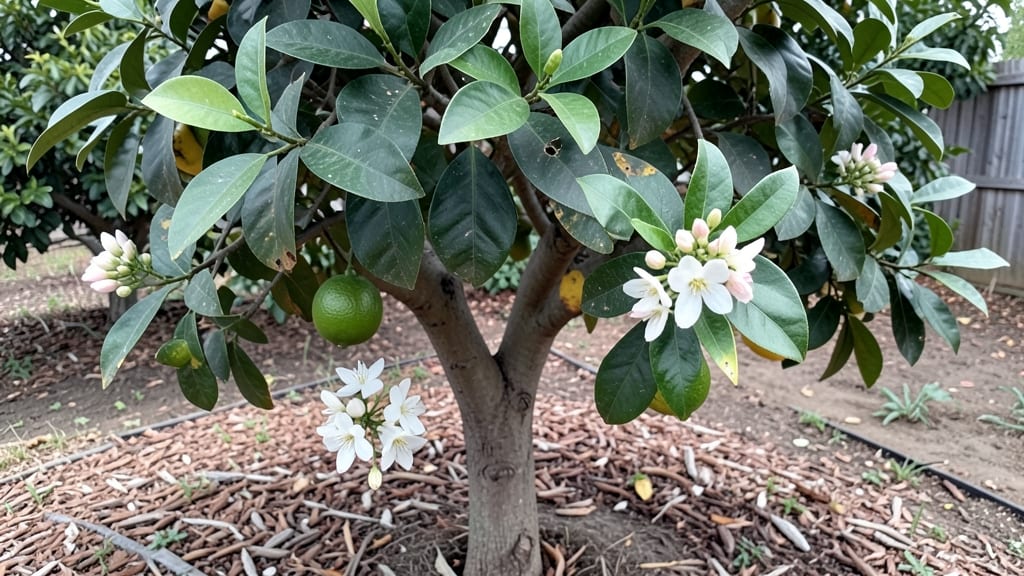
The Meyer lemon tree flowers you're waiting for start with a cold snap. ✨ That first frost-kissed chill in late fall is what triggers the buds that’ll burst into fragrant white blooms next spring—if you give them the right conditions.
I’ve watched my own tree go from bare branches to a cloud of blossoms in just six weeks, and the secret isn’t complicated: it’s about timing, temperature, and a little patience.
Most gardeners overlook the fact that Meyer lemons need cold stratification—a period of cooler temps (around 40-50°F) to break dormancy. Without it, your tree might just sit there, stubborn as a winter garden.
But once those buds form, you’ll need bright sunlight (at least 6-8 hours daily) and consistent moisture to keep them happy. The payoff? Clusters of highly fragrant flowers that’ll eventually turn into sweet, juicy lemons.
Here’s the magic part: those flowers need a little help to become fruit. Hand-pollinating with a soft brush (or even just shaking the branches gently) boosts your chances of fruit set.
I’ve gone from zero lemons to baskets of them just by spending five minutes with a paintbrush twice a week during bloom. The flowers themselves are stunning—delicate, star-shaped, and smelling like citrus heaven.
Troubleshooting is half the fun. No flowers? Check your tree’s age (young trees often wait 3-5 years). Too many leaves, not enough blooms? Prune back some growth in late winter to encourage flowering.
And if your blooms drop without setting fruit, it’s usually a sign of stress—maybe from too much water or not enough light. Adjust, and try again next season.
📚 In This Guide
- What you need
- Instructions
- Tips and common mistakes
- Wrapping up and next steps
What you need
- ● Meyer lemon tree (Citrus × meyeri): A healthy, mature tree (3+ years old) or a young sapling (1–2 years old) for best results.
- ● Cold stratification setup: Refrigerator or cold storage unit (set to 34–40°F (1–4°C))
- ● Moistened potting mix or paper towels (to keep roots/saplings hydrated)
- ○ Plastic bag or airtight container (for humidity control, optional)
- ● Well-draining potting soil: Mix of cactus/succulent soil (50%) + perlite/pumice (30%) + compost (20%).
- ● 6–8 inch pots (for saplings) or 15+ gallon containers (for mature trees).
- ● Pruning shears (sterilized with rubbing alcohol)
- ● Spray bottle (for misting leaves)
- ● Thermometer/hygrometer (to monitor cold stratification conditions)
- ○ Gloves (optional, for handling thorns)
- ● Fertilizer: Balanced liquid fertilizer (e.g., 10-10-10, diluted to ½ strength)
- ○ Citrus-specific slow-release granules (optional, for post-stratification)
- ● Patience: Cold stratification requires 6–12 weeks of consistent chilling.
- ● Sunlight access: A south-facing window or grow lights (12+ hours/day) for post-stratification.
- ● Knowledge of Meyer lemon care: Familiarity with watering needs (drought-tolerant but not waterlogged) and pest control.
Step-by-step guide to encouraging Meyer lemon tree flowers
Here's how to coax those fragrant spring blooms with a simple cold treatment.
🌱 Step 1: Identify and Prepare Mature Wood for Stratification
Look for healthy, pencil-thick branches on your Meyer lemon tree that show signs of maturity—these are your best candidates for flowering. I like to choose branches that have already produced fruit in previous years, as they tend to be more established and responsive. Using clean, sharp pruning shears, cut a 12-inch section from the branch, making the cut just above a leaf node.
Remove all leaves from the cuttings to prevent moisture loss and disease. You'll want to work with fresh wood, so take your cuttings in late winter or early spring, just as the tree begins to show signs of new growth. This timing ensures the wood has gone through its winter dormancy but hasn't yet started actively growing.
⏰ Step 2: Apply Cold Stratification for 4-6 Weeks
Cold stratification mimics the natural winter chilling period that triggers flowering in many citrus varieties. Fill a container with moistened perlite or sand and place your cuttings horizontally, burying about half of each cutting in the medium. This keeps the top half exposed to air while the buried portion receives the necessary moisture and cold treatment.
Store the container in a refrigerator or cold frame where temperatures stay consistently between 35-45°F. Check the moisture level every 7-10 days—the medium should feel damp but not soggy to the touch. If you notice any signs of mold or rot, remove the affected cutting immediately to prevent spreading.
☀️ Step 3: Transition to Warmth and Light for Flowering
After 4-6 weeks of cold stratification, your Meyer lemon cuttings are ready for their next phase. Remove them from the cold storage and place them in a warm, bright location with temperatures between 65-75°F. I like to use a greenhouse or a sunny windowsill with supplemental grow lights to ensure they receive 12-14 hours of light daily.
Watch for new growth—this is your signal that the stratification worked. Within a few weeks, you should see small buds forming along the stems. These buds will eventually bloom into fragrant white flowers, a sign that your tree is ready to produce fruit. Keep the soil lightly moist but avoid overwatering, as soggy conditions can stress the plant and reduce flowering.
💧 Step 4: Maintain Ideal Conditions for Blooming
Once your Meyer lemon cuttings begin to flower, focus on maintaining consistent care. Water the plant when the top 1-2 inches of soil feel dry to the touch, but avoid letting the roots sit in water. Fertilize lightly with a balanced citrus fertilizer every 4-6 weeks to support healthy growth and flowering.
If you notice any yellowing leaves or signs of stress, adjust your care routine. Too much water can lead to root rot, while too little can cause the plant to drop flowers or fruit. Keep an eye out for pests like aphids or spider mites, which can weaken the plant and reduce flowering. A gentle spray of water or neem oil can help keep these pests at bay.
✂️ Step 5: Prune and Encourage Future Blooms
After the initial flowering cycle, prune your Meyer lemon tree to encourage more blooms in the future. Remove any dead, diseased, or crowded branches to improve air circulation and light penetration. I like to prune just after the flowers have bloomed but before new fruit begins to form—this helps redirect the plant's energy toward producing more flowers.
Continue to monitor your tree for signs of new growth and flowering. With proper care, your Meyer lemon tree should produce fragrant blooms year after year. Enjoy the sweet scent of the flowers and look forward to the delicious fruit that follows!
Tips & tricks for encouraging Meyer lemon tree flowers
These simple strategies will help you maximize your chances of getting those stunning spring blooms.
Timing Secret: The key to successful stratification lies in choosing the right time to take your cuttings. Late winter to early spring is ideal because your Meyer lemon tree has just completed its winter dormancy but hasn't yet started active growth. Look for branches that produced fruit last year—they're more likely to respond well to the cold treatment. I've found that cuttings taken in February or early March give the best results for spring blooming.
Cold Treatment Precision: Maintaining that 35-45°F temperature range during the 4-6 week stratification period is crucial. If your refrigerator runs hotter than 45°F, consider using a cold frame instead. I place a thermometer inside the container to monitor temperatures—this helps prevent overheating, which can reduce flowering success. The goal is to mimic natural winter conditions as closely as possible.
Light Transition Strategy: When moving your cuttings from cold storage to warmth, don't rush the process. I gradually increase temperatures over 1-2 days to help them adjust. Once at 65-75°F, place them under 12-14 hours of light daily—this light duration is what triggers the hormonal changes needed for flowering. A simple grow light can make all the difference if your natural light isn't sufficient.
Pruning Wisdom: When pruning after the initial bloom (Step 5), focus on creating an open canopy. Remove any branches growing inward or crossing others—this improves air circulation and sunlight penetration. I like to make cuts just above outward-facing buds to encourage new growth in the right direction. This technique helps your tree develop a stronger structure for future blooming cycles.
Pro Tips for Meyer Lemon Tree Flowers
- These simple strategies will help you maximize your chances of getting those stunning spring blooms.
- Timing Secret: The key to successful stratification lies in choosing the right time to take your cuttings.
- Cold Treatment Precision: Maintaining that 35-45°F temperature range during the 4-6 week stratification period is crucial.
Frequently asked questions
Got questions about those stunning Meyer lemon tree flowers? You’re not alone! Here are some of the most common queries—plus quick, practical answers to help you nurture your citrus beauty.
When do Meyer lemon trees typically flower?
Meyer lemon trees usually bloom in late winter to early spring (February–April in most U.S. zones), triggered by cold stratification. In warmer climates, you might spot flowers year-round, but consistent blooms rely on a cool dormant period (40–50°F for 4–6 weeks).
How can I encourage more flowers on my Meyer lemon tree?
Cold stratification is key! If your tree isn’t flowering, try placing it in a cool (40–50°F), dark space for 4–6 weeks (like a garage or fridge). Avoid fertilizing during dormancy—wait until spring when buds form. Prune lightly in late winter to improve airflow and sunlight exposure.
Why aren’t my Meyer lemon tree flowers turning into fruit?
Several factors could be at play:
- Pollination issues: Meyer lemons are self-pollinating, but bees help! If indoors, gently shake branches or use a small brush to transfer pollen.
- Temperature stress: Flowers drop if temps swing above 90°F or below 50°F. Keep your tree in a stable, sunny spot.
- Over-fertilizing: Too much nitrogen = lush leaves, few flowers. Switch to a low-nitrogen citrus fertilizer (like 6-6-6) in early spring.
Can I force a Meyer lemon tree to flower indoors?
Yes! Mimic winter conditions by moving your potted tree to a cool, dark room for 6–8 weeks. Avoid watering heavily during this time. Once buds form, return it to bright light (6+ hours/day) and resume regular care. Patience is key—it may take 2–3 cycles to see consistent blooms.
What should I do if my Meyer lemon tree flowers but no leaves?
This often signals nutrient deficiency or over-pruning. Try:
- Fertilize with a balanced citrus mix (e.g., 8-8-8) and add iron chelate if leaves are yellow.
- Reduce pruning—focus on removing only dead/diseased branches.
- Ensure it gets 6+ hours of sunlight daily (south-facing windows or grow lights).
Wrapping up and next steps
Watching your Meyer lemon tree flowers burst into fragrant spring blooms is a rewarding experience—especially when you’ve nurtured them with cold stratification and care! 🌸 These delicate blossoms not only brighten your garden but also signal the promise of juicy lemons to come.
Whether you’re a seasoned gardener or just starting, your efforts have set the stage for a thriving citrus tree.
Ready to take the next step? Monitor your tree’s progress, protect those blossoms from frost, and stay patient—your hard work will soon pay off with abundant fruit! 🍋