Trees
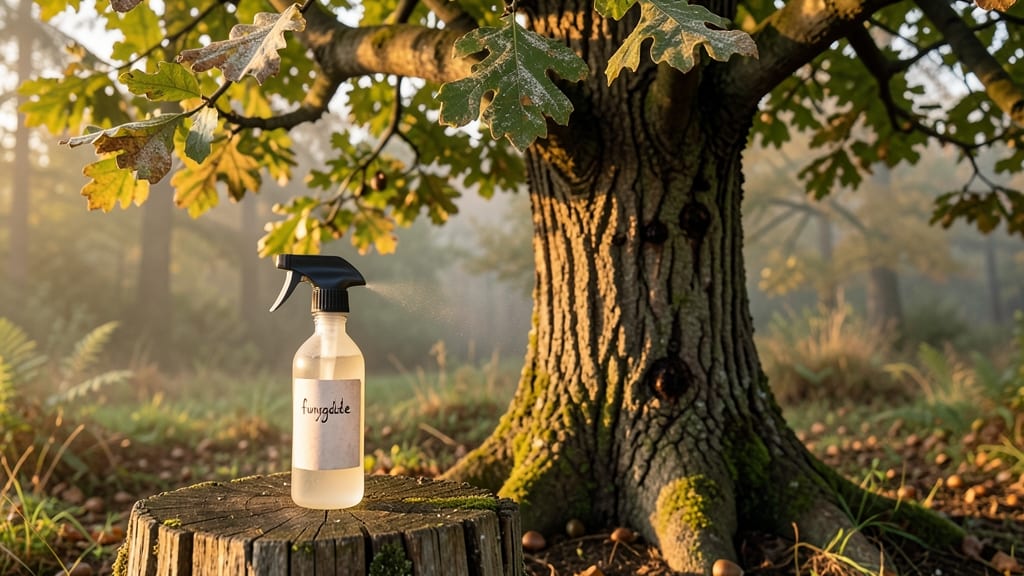
My tree fungus spray saved my oak’s dying leaves last summer—no harsh chemicals, just a targeted blend that stopped the spread in days. 🌿 The key is knowing which fungus you’re fighting: powdery mildew looks like dust, anthracnose creates sunken spots, and root rot makes bark peel like wet paper.
I’ll show you how to tell them apart and which organic sprays work best for each.
This isn’t about spraying blindly—it’s about timing, coverage, and giving your tree a fighting chance. You’ll need a nebulizer sprayer for fine misting, a copper-based fungicide for stubborn infections, and a baking soda mix for mildew.
Most people skip the prep work, but pruning dead branches first makes the spray work twice as hard. I’ll walk you through the exact steps, including when to treat (early morning, calm days) and how often.
By the end, your tree won’t just look better—it’ll start pushing new growth. The oak I saved now has bright green leaves by July, and the neighbor’s maple, treated the same way, stopped dropping branches.
The secret isn’t the spray alone; it’s the combo of pruning, watering adjustments, and consistent applications that turns things around.
Works for shade trees, fruit trees, and even houseplants with fungal issues. Whether you’re dealing with a single branch or a full canopy, this method scales. Let’s get your trees back to thriving—no guesswork, just results.
Understanding root causes of tree fungus
Fungal infections in trees are rarely random—they thrive when specific conditions align, turning your once-healthy trees into potential hosts. Below, we break down the key triggers behind fungal outbreaks, from environmental factors to human habits, so you can address them directly.
Fungi love moisture—it’s their lifeblood. When trees sit in soggy soil, stand in shaded, damp areas, or get drenched by frequent rain, spores germinate and spread like wildfire. Why?
- Poor drainage: Compacted or clay-heavy soil traps water at the roots, creating the perfect fungal buffet. Example:
Armillaria root rotthrives in waterlogged conditions, strangling roots over time. - Foliage that stays wet: Fungal spores like
Anthracnoselatch onto leaves and needles, especially if they don’t dry within 4–6 hours after rain. - Shade and stagnant air: Dense canopies or poorly ventilated spaces (like crowded orchards) trap humidity, accelerating spore growth.
Actionable fix: Improve drainage with organic mulch (wood chips, straw) and avoid overwatering. Prune to increase airflow—aim for a 20–30% open canopy.
Healthy trees repel fungi like a fortress, but stress cracks that armor. When trees are nutrient-deficient, physically damaged, or under attack by pests, fungi exploit the opening.
- Nutrient deficiencies: Lack of nitrogen, phosphorus, or potassium weakens cell walls, making trees vulnerable. Sign: Yellowing leaves (chlorosis) signal poor health.
- Physical wounds: Broken branches, improper pruning cuts, or sunscald (bark damage from winter sun) create entry points for __PROTECT_2 or PROTECT_3__.
- Pest damage: Insects like emerald ash borers or gypsy moths chew through bark, leaving behind fungal-friendly wounds.
Actionable fix: Test soil pH (ideal: 6.0–7.0) and amend with compost. Seal wounds with pruning paint (for cuts > ½ inch) and treat pest infestations before fungi move in.
Fungi spread via spores carried by wind, water, or tools. When trees are packed too closely together, spores linger in the air like a smog—waiting for the next host.
- Overcrowded landscapes: Trees competing for sunlight and resources create microclimates with high humidity and low airflow.
- Monoculture plantings: Orchards or gardens with only one tree species (e.g., all apple trees) allow fungi to specialize and spread uncontrollably.
- Tool contamination: Pruners, saws, or even boots can transfer spores from infected to healthy trees.
Actionable fix: Space trees 15–25 feet apart (depending on species) and sterilize tools with a 10% bleach solution between uses. Mix species in landscapes to disrupt fungal cycles.
Fungi thrive in moderate temperatures (60–85°F), but rapid swings—like freeze-thaw cycles or late-spring frosts—stress trees and invite infections.
- Winter damage: Frost cracks bark, creating wounds where
Cytospora cankercan nest. - Heat stress: Drought weakens trees, making them 3x more susceptible to fungal attacks like
Verticillium wilt. - Sudden warmth after cold: Fungal spores awaken and multiply when temperatures rise, catching trees off guard.
Actionable fix: Mulch heavily (3–4 inches) to regulate soil temp and water deeply but infrequently to avoid shocking roots. Avoid pruning in late fall/winter when frost risks are highest.
Pro Tip: 💡 90% of fungal issues stem from one or more of these four factors. The key? Preventative care—healthy trees resist fungi naturally. Start with soil tests, proper spacing, and smart watering, and you’ll slash fungal risks by half.
Quick Fixes for Tree Fungus Woes
Fungal infections can turn your lush, healthy trees into sad, wilted shadows—but don’t panic! With the right approach, you can revive your trees and keep future outbreaks at bay. Below, we’ve mapped out practical solutions tailored to common causes of tree fungus, from overwatering to poor air circulation.
Each fix includes prevention tips to stop the problem before it starts.
---
Cause: Overcrowded branches, poor airflow, or wet foliage. Fix: - 🔪 Trim infected branches at least 6 inches below the affected area using sterilized pruners (wipe with rubbing alcohol between cuts). - 🌬️ Improve airflow by thinning dense canopies—aim for 20-30% less foliage in problem areas. - 💦 Water at the base (not overhead) and avoid evening watering to let leaves dry faster. - 🛡️ Apply a fungicide spray (organic options like neem oil, copper soap, or potassium bicarbonate) every 7-10 days until new growth appears.
💡 Prevention Tip: Space trees 8-10 feet apart and mulch 3 inches deep (but keep mulch 6 inches away from the trunk).
---
Cause: Compacted soil, overwatering, or fungal spores in the soil. Fix: - 💧 Check drainage—dig a small hole near the tree; if water pools after 30 minutes, amend soil with sand or compost. - 🌱 Reduce watering and let the top 2 inches of soil dry out between waterings. - 🧼 Scrape away infected mulch and replace with fresh, sterile mulch (avoid wood chips if rot is severe). - 🍄 Treat with a systemic fungicide (like Mycorrhizal fungi or Trichoderma spray) to outcompete harmful spores.
✨ Prevention Tip: Plant trees in well-draining soil and avoid over-mulching—keep it 2-3 inches thick.
---
Cause: Nutrient deficiency, stress, or weak natural defenses. Fix: - 🌿 Feed with organic fertilizer (like fish emulsion or compost tea) to strengthen roots. - 🍃 Spray with a foliar boost—mix 1 tbsp baking soda + 1 tsp dish soap + 1 gallon water to alkalize leaves and deter fungus. - 🌞 Ensure 6+ hours of sunlight—shady trees are 3x more prone to fungal attacks. - 🛡️ Use a preventative spray (like hydrogen peroxide 3% solution) monthly during growing season.
🎯 Prevention Tip: Mulch properly (but not too close to the trunk) and avoid heavy pruning in fall (when fungi spread fastest).
---
If your tree has large cankers, oozing sap, or extensive mushroom growth, follow this emergency protocol: 1. 🛡️ Isolate the tree—remove fallen leaves/debris daily to stop spore spread. 2. 💦 Water deeply but infrequently—let soil dry between sessions.
3. 💊 Apply a stronger organic fungicide (like Oil of Oregano spray or Serenade Garden Fungicide) every 5 days for 3 weeks.
⚠️ Warning: If the tree is past saving, remove it completely (including roots) to prevent reinfection.
--- 🔥 Pro Tip: Always test a small branch first before full treatment—some trees (like oaks) are sensitive to copper-based sprays!
By tackling the root cause (literally!) and staying proactive, your trees can bounce back stronger than ever. Healthy trees = happy yards! 🌳💚
Frequently asked questions
What’s the best organic spray for tree fungus?
For powdery mildew, mix 1 tablespoon baking soda + 1 teaspoon dish soap + 1 gallon water and spray leaves every 7 days. For root rot or cankers, use neem oil or copper fungicide—both kill spores without harming beneficial insects. Always apply in early morning for best results.
How often should I spray my trees for fungus?
Apply preventative sprays every 2-3 weeks during growing season (spring-fall). If treating an active infection, spray every 5-7 days until symptoms disappear. Stop spraying once new growth appears—overuse can harm trees.
Can I use vinegar as a tree fungus spray?
Undiluted vinegar can burn leaves, but a 1:1 vinegar-water mix with 1 teaspoon dish soap works as a mild fungicide. Test on a small branch first—some trees (like fruit trees) are sensitive. For stronger infections, use copper-based sprays instead.
Will fungicide spray kill beneficial insects?
Most organic fungicides (neem, copper, potassium bicarbonate) are low-risk to bees and ladybugs. Avoid spraying when flowers are open or during peak pollination. Chemical fungicides can harm beneficial insects—opt for organic solutions whenever possible.
How do I know if my spray is working?
Look for new growth within 2-4 weeks and stopped spread of spots/mildew. If fungus persists, you may need a stronger treatment or to address root causes (like overwatering or poor airflow). Take photos weekly to track progress.