
Trees
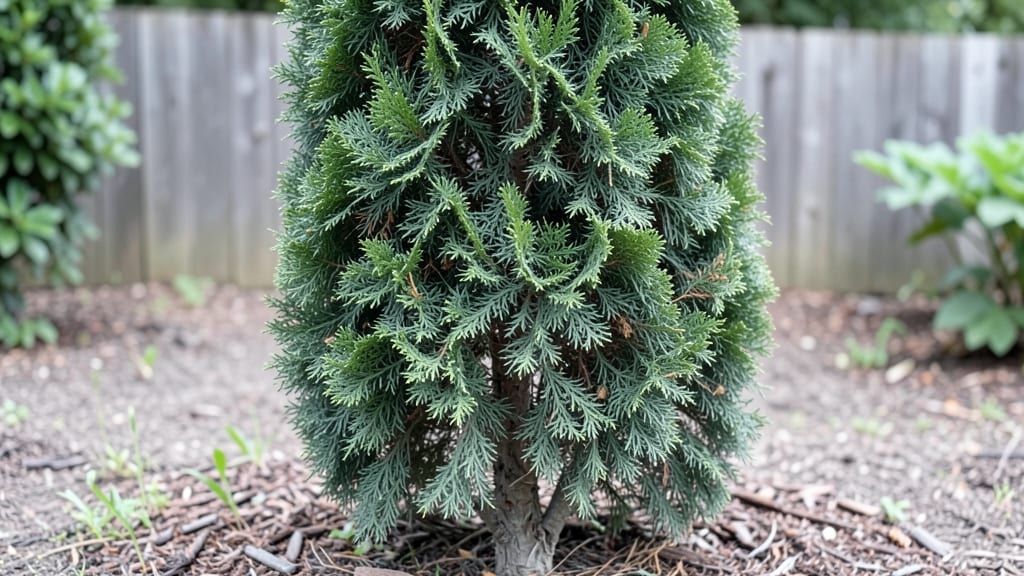
Fast-growing Thuja privacy trees can transform your backyard into a secluded retreat in just three years—no waiting a decade for slow-moving hedges. 🌿 I planted mine last spring, and by summer’s end, they’d already filled in enough to block nosy neighbors and wind.
The key isn’t just picking the right variety; it’s spacing them correctly and giving them the right start.
Thuja ‘Green Giant’ or ‘Emerald Green’ are my go-to choices for speed and density, but even slower growers like ‘Techny’ deliver solid privacy if you’re patient.
You’ll need about 4 feet between plants for a tight screen, though wider spacing lets you tuck in companion shrubs like boxwood or holly for extra texture. Most varieties thrive in full sun to partial shade, but check your local climate—some southern zones need afternoon shade to prevent scorching.
By year three, you’ll have a lush, wind-resistant barrier that stays green year-round, with minimal pruning needed. The foliage grows dense enough to block views completely, and the scent of crushed leaves adds a fresh, piney aroma to your outdoor space.
Just avoid overwatering—they hate soggy roots—and you’ll have a low-maintenance screen that outlasts temporary fences.
Works in urban backyards, rural property lines, or even as a living room divider for patios. The best part? Once established, these trees need almost no care beyond an annual trim to keep them shaped. Ready to block the world in three seasons instead of three years?
📚 In This Guide
- What you need
- Instructions
- Tips and common mistakes
- Wrapping up and next steps
What you need
- ● Thuja (Arborvitae) Trees: Quantity: 1 per 2–3 feet of desired screen height (e.g., 10–15 trees for a 10-foot-tall, 10-foot-wide screen).
- ● Size: 1–2 gallon pots (for faster establishment) or bare-root seedlings (budget-friendly).
- ● Varieties: Thuja occidentalis 'Emerald Green', 'Smaragd', or 'Techny' (fast-growing and dense).
- ● Soil Amendments: Compost or well-rotted manure (1–2 bags per 10 trees).
- ● Slow-release fertilizer (10-10-10 or 12-12-12, 1 lb per 10 trees).
- ● Planting Tools: Shovel or spade (round-point for digging, flat for amending soil).
- ● Hand trowel (for fine adjustments and backfilling).
- ● Measuring tape (for spacing and layout).
- ● Garden hose or watering can (with a spray nozzle).
- ● Mulch: Organic mulch (pine straw, shredded bark, or wood chips, 2–3 inches deep, 1 bag per 10 linear feet).
- ○ Support (Optional but Helpful): Stakes (1 per tree for windy areas, 18–24 inches tall).
- ● Tie-downs (soft garden twine or Velcro plant ties).
- ● Location: Full sun to partial shade (6+ hours of sunlight daily).
- ● Soil: Well-draining, slightly acidic (pH 6.0–7.0). Amend clay soil with sand or compost.
- ● Spacing: 3–4 feet apart for a dense, fast-growing screen.
- ● 5–6 feet apart if you prefer wider spacing for maintenance access.
- ● Timing: Plant in early spring or fall (avoid extreme heat or frost).
- ● Permits: Check local regulations if planting near property lines (some areas require setbacks).
How to plant thuja privacy trees for a fast-growing screen
Here’s my proven method for establishing a dense, evergreen barrier in just three years.
🪴 Step 1: Choose the Right Location and Prepare the Soil
Thuja thrive in full sun to partial shade, but for the fastest growth, plant them in a spot with at least 6 hours of direct sunlight daily. Avoid low-lying areas where cold air pools—this can stress young plants. Test your soil’s drainage: dig a 12-inch hole and fill it with water. If it drains in under an hour, your soil is fine. If not, amend it with 2-3 inches of compost mixed into the top 12 inches of soil.
Mark your planting spots 4-6 feet apart in rows spaced 4-6 feet apart for a dense screen. Thuja grow quickly but need room to develop their signature layered branches. Use a spray paint marker to outline the holes—this keeps you from digging in the wrong spot once the plants arrive.
🌱 Step 2: Plant at the Correct Depth and Stake for Support
Dig holes twice as wide as the root ball but no deeper—thuja roots prefer to spread horizontally rather than grow downward. Gently remove the plant from its container and loosen any circling roots with your fingers. Place the root ball into the hole so the top of the root ball sits 1 inch below the surrounding soil level. This prevents stem rot from sitting water.
Backfill with native soil, tamping lightly every 2 inches to remove air pockets. Water deeply to settle the soil, then stake each plant if needed—young thuja can lean in windy conditions. Use 2 stakes per plant, tying them loosely with soft plant ties. Avoid burying stakes too deep, or they’ll girdle the trunk as the plant grows.
☀️ Step 3: Water Deeply and Mulch to Retain Moisture
Water each newly planted thuja with 1-2 gallons of water to encourage root expansion into the surrounding soil. After watering, spread 2-3 inches of mulch (like shredded bark or wood chips) in a 2-foot diameter circle around each plant. Keep the mulch 3 inches away from the trunk to prevent rot. This mulch layer locks in moisture and keeps soil temperatures stable—critical for young evergreens.
Water 2-3 times per week for the first 6 weeks, then reduce to 1-2 times per week once new growth appears. You’ll know your watering is right when the soil feels slightly damp 2 inches below the surface. Overwatering is worse than underwatering—thuja roots need oxygen, and soggy soil suffocates them.
✂️ Step 4: Prune for Shape and Encourage Fullness
Skip pruning the first year—let the plants focus on root establishment. In year two, lightly shape the outer branches to encourage a fuller form. Use clean, sharp pruners to trim back any leggy growth or branches growing inward. Cut just above a leaf node (the bump where leaves attach) to promote bushier regrowth. Aim for a natural, rounded shape—thuja grow best when they’re not forced into tight, formal hedges.
Fertilize lightly in early spring with a balanced, slow-release fertilizer (like 10-10-10) to support fast growth. Scatter ½ cup per plant around the root zone and water it in. Avoid high-nitrogen fertilizers—they produce soft, sappy growth that’s prone to pests and winter damage.
⏰ Step 5: Monitor for Pests and Adjust Care Seasonally
Check plants monthly for spider mites or bagworms, which love young thuja. Wipe leaves with a damp cloth to remove dust, and spray with neem oil if you spot tiny webs or chewed foliage. Thuja are generally low-maintenance, but a quick inspection each season prevents small issues from becoming major problems.
In winter, shake off heavy snow to prevent branch breakage—thuja branches can snap under the weight. If your region gets below 0°F, protect young plants with a burlap wrap around the trunk for the first two winters. By year three, your screen will be dense enough to block wind and retain heat naturally.
Tips & tricks for perfect thuja privacy trees
A few quick tricks that'll help your thuja privacy screen grow faster and stay healthier for years to come.
Sunlight Secret: Those 6 hours of direct sunlight are non-negotiable for fast growth, but here's what nobody tells you—morning sun is even more important than afternoon. East-facing locations get gentle morning light without the intense afternoon heat that can stress young plants. If your yard only gets afternoon sun, consider planting in a spot where they'll get at least 4 hours of morning light plus 2 hours of afternoon.
Root Ball Rescue: When removing thuja from containers, you'll often find circling roots that can strangle the plant. Here's my game-changer: use your fingers to gently tease apart these roots, but don't force it—you're just creating space, not trying to straighten them completely. The key is to loosen the outer ring of roots so they can spread naturally into the surrounding soil. This simple step makes all the difference in root establishment during those critical first 6 weeks.
Mulch Mastery: That 2-3 inches of mulch isn't just for looks—it's a moisture and temperature regulator. I like to use cedar mulch because it naturally repels pests while breaking down slowly. The 3-inch gap from the trunk is crucial too; it prevents rot and allows air circulation. Pro tip: Refresh your mulch every spring by adding a 1-inch layer on top of the existing mulch rather than completely removing it.
Winter Protection: When temperatures drop below 0°F, wrap young plants with burlap for the first two winters, but don't wrap too tightly—you want to protect without suffocating. I've seen people use frost cloth instead, which works well but remember to remove it during the day when temperatures rise above freezing. This prevents heat buildup that can actually damage the plants.
Pro Tips for Thuja Privacy Trees
- A few quick tricks that'll help your thuja privacy screen grow faster and stay healthier for years to come.
- Sunlight Secret: Those 6 hours of direct sunlight are non-negotiable for fast growth, but here's what nobody tells you—morning sun is even more important than afternoon.
- Root Ball Rescue: When removing thuja from containers, you'll often find circling roots that can strangle the plant.
Frequently asked questions
Got questions about Thuja privacy trees? You’re not alone!
Here are answers to the most common concerns—from planting to maintenance—so you can grow a lush, fast-growing screen with confidence.
How close can I plant Thuja trees to my fence or property line?
Plant Thuja privacy trees 3–6 feet away from fences or property lines to allow airflow and prevent root competition with neighboring plants. Check local regulations—some areas require setback distances (often 2–4 feet) for privacy screens. Always dig a hole twice as wide as the root ball but no deeper!
Will Thuja trees block sunlight for my yard or garden?
Yes, but strategically! Thuja trees create moderate shade—ideal for shade-tolerant plants like ferns, hostas, or ornamental grasses. For sun-loving gardens, plant them along property edges or use dwarf varieties (e.g., ‘Smaragd’) for partial coverage. Mulch the base to retain moisture for sun-sensitive plants nearby.
How do I prune Thuja trees to keep them dense and fast-growing?
Prune once a year in early spring (before new growth) to shape and encourage density. Use clean, sharp shears to trim back 1/3 of the new growth per year. Avoid over-pruning—Thuja trees thrive with a natural, layered look. Pro tip: Wear gloves! Thuja foliage can be prickly.
Are Thuja trees prone to pests or diseases? How do I prevent issues?
Thuja trees are hardy but can attract spider mites, bagworms, or root rot in soggy soil. Prevent problems with:
- Well-draining soil (amend clay with compost).
- Watering at the base (avoid wetting foliage).
- Inspecting for pests monthly in spring/summer.
- Using neem oil or insecticidal soap for early treatments.
What’s a good alternative if Thuja trees don’t grow well in my climate?
If your zone is too hot, cold, or humid for Thuja, consider these fast-growing alternatives:
Tree
Growth Rate
Best For
Leyland Cypress
3–4 ft/year
Warmer climates (Zones 6–10)
Emerald Green Arborvitae
12–24 in/year
Cold-hardy (Zones 3–8), low-maintenance
Bamboo (Clumping)
2–3 ft/year
Fast privacy, but invasive if running types
Wrapping up and next steps
Transforming your outdoor space into a lush, private retreat is easier than you think! Thuja privacy trees are your fast-growing, low-maintenance solution—offering year-round greenery and a natural barrier in just three years. 🌿 Whether you’re shielding your backyard from nosy neighbors or adding curb appeal, these evergreens deliver beauty and functionality with minimal effort.
Ready to get started? Pick your favorite Thuja variety, grab your tools, and plant with confidence! For extra peace of mind, check local planting guidelines or consult a nursery expert—your dream privacy screen is just a few steps away. 🌱✨