
Trees
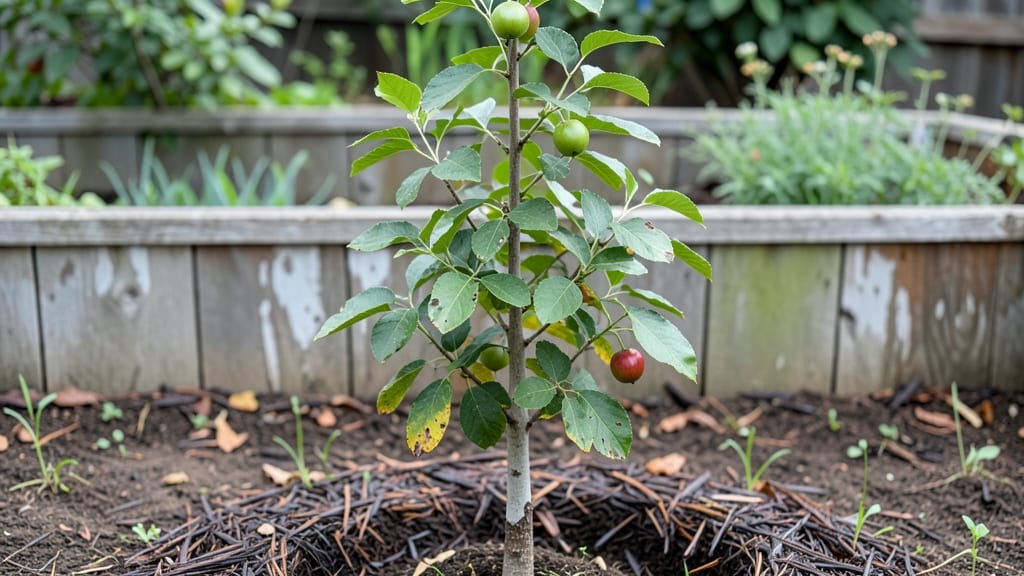
Transforming your yard with shaped apple trees turns a simple hedge into a fragrant, fruit-bearing masterpiece that works year-round. 🌿 I’ve trained my own espaliered apples along a fence, and they’ve become the star of my garden—providing privacy, stunning blossoms in spring, and crisp fruit in fall.
The best part? They take up minimal space while giving maximum impact.
You’ll need dwarf apple tree varieties (like ‘Gala’ or ‘Fuji’) for easier shaping, along with basic pruning tools—a pair of sharp bypass pruners, a saw for thicker branches, and some flexible ties.
The real magic happens in the first few years, when you guide the branches into your chosen shape—whether it’s a formal espalier against a wall or a free-form topiary along a path.
By summer, you’ll have a lush, living screen that smells like heaven when the blossoms open. The fruit ripens right on the branches, making harvests effortless, and the fall color adds another layer of beauty.
Plus, shaped apple trees attract pollinators while keeping neighbors’ eyes on your garden instead of your fence.
Works in small urban yards, along patios, or even as a dramatic entryway feature. The key is patience—these trees reward long-term care with decades of beauty and bounty. Ready to turn your space into a fragrant, functional work of art?
📚 In This Guide
- What you need
- Instructions
- Tips and common mistakes
- Wrapping up and next steps
What you need
- ● Apple tree saplings: 3–5 disease-resistant varieties (e.g., Honeycrisp, Fuji, or Granny Smith) for a lush, multi-season display. Pro tip: 🌡️ Choose dwarf or semi-dwarf varieties (6–10 ft mature height) for easier shaping!
- ● High-quality soil: 2–3 cubic yards of well-draining, nutrient-rich soil (mix compost for extra fertility).
- ● Organic mulch: 1–2 bags of wood chips or straw to retain moisture and suppress weeds.
- ● Shovel & spade: 1 each for digging and transplanting.
- ● Pruning shears: Bypass pruners (sharp, clean, and sterilized to prevent disease).
- ○ Loppers: For thicker branches (optional but handy for mature trees).
- ● Measuring tape: 1 for spacing saplings 8–12 ft apart.
- ● Garden gloves: 1 pair to protect your hands from thorns.
- ● Stakes & twine: 4–6 stakes (2–3 ft tall) + twine to support young trees while they establish.
- ● Tree guards: 3–5 plastic or metal guards to protect trunks from critters.
- ● Slow-release fertilizer: 1–2 bags of balanced (10-10-10) or organic options like compost tea.
- ● Drip irrigation system: For consistent watering (especially in dry climates).
- ● Pest control: Neem oil or copper spray (preventative measure for aphids/borers).
- ● Decorative trellis or lattice: To guide growth into a uniform shape (e.g., espalier style).
Step-by-Step guide to training apple trees for year-round privacy
Transform your yard with elegant, fragrant apple trees that deliver seasonal interest and a natural privacy barrier.
🪴 Step 1: Select and Prepare the Right Apple Varieties
Choose dwarf or semi-dwarf apple varieties like 'Liberty,' 'Honeycrisp,' or 'Fuji'—these grow well in containers or small spaces while maintaining manageable height. I always pick disease-resistant types to avoid future headaches. Plant your 4 trees in a staggered line, spacing them 6-8 feet apart to allow for natural spreading.
Dig holes twice as wide as the root ball but only as deep. This prevents root stress from being buried too deep. Amend the native soil with 2-3 inches of compost mixed into the bottom of each hole. The goal is loose, fertile soil that encourages strong root establishment.
🌱 Step 2: Establish the Foundation Structure
In the first year, focus on developing a strong central leader. Prune any competing branches back to a bud or side branch, leaving only one dominant vertical stem. This creates the backbone for your tree's future shape. I like to use sharp pruning shears to make clean cuts just above outward-facing buds.
Train the main branches to spread outward at 45-degree angles by tying them to stakes with soft tree ties. This encourages a wide, open canopy that will later provide dense privacy. Avoid heavy pruning now—you're shaping the framework, not removing foliage.
☀️ Step 3: Shape for Seasonal Interest
During the second and third years, develop a multi-level branching system. Select 3-4 scaffold branches spaced evenly around the trunk, cutting back any that grow inward. These branches will become your tree's primary limbs, each growing at a slight upward angle.
By year four, you'll see the privacy screen take shape. Thin out any crossing branches and remove suckers at the base immediately. The key is gradual shaping—never remove more than 25% of the tree's foliage in one season. You'll notice the branches fill out more densely each year, creating that lush, fragrant barrier.
✂️ Step 4: Maintain and Refine the Design
Annual pruning in late winter or early spring keeps the shape tight and encourages new growth. Remove any dead, diseased, or crossing branches first. Then, thin out the interior to improve airflow—this prevents fungal issues while maintaining density.
For extra fragrance, I always leave the spring blossoms intact. These not only look stunning but also attract pollinators. In fall, lightly prune to remove any weak growth, but avoid heavy cuts that could stress the tree before winter. Your 4 trees will eventually create a 12-15 foot tall living screen that's both beautiful and functional.
Tips & tricks for perfect shaped apple trees
A few strategic moves will help your apple trees grow into that stunning privacy screen you're dreaming of.
Variety Selection Matters: When choosing your dwarf or semi-dwarf varieties like 'Liberty,' 'Honeycrisp,' or 'Fuji,' prioritize those labeled "disease-resistant." I've learned this the hard way—trees with weak disease resistance require constant treatment and can compromise your privacy barrier's health. Also, stick to the 6-8 feet spacing recommendation; this gives roots room to spread without competing for nutrients.
Pruning Precision: In Step 2, when developing that central leader, make your cuts just above outward-facing buds—this is where new growth will emerge. I always use sharp pruning shears to avoid crushing the stem. For those 45-degree angle branches, don't be afraid to use stakes and soft tree ties to guide them properly. The goal is to create that wide, open canopy that will eventually provide dense privacy.
Gradual Shaping Strategy: The key phrase in Step 3 is "never remove more than 25% of the tree's foliage in one season." This gradual approach prevents shock and allows the tree to recover while maintaining its density. I've seen many gardeners over-prune in their excitement, only to watch their trees struggle to fill out. Patience pays off—your trees will thank you with that lush, fragrant barrier you're creating.
Seasonal Maintenance: That annual late winter/early spring pruning is crucial for keeping your trees healthy and shaped. I always do a thorough inspection first, removing any dead or diseased branches before making any structural cuts. And remember to leave those spring blossoms intact—they're not just beautiful, they attract pollinators that help with fruit production. The result? A fragrant, functional privacy screen that works year-round.
Pro Tips for Shaped Apple Trees
- A few strategic moves will help your apple trees grow into that stunning privacy screen you're dreaming of.
- Variety Selection Matters: When choosing your dwarf or semi-dwarf varieties like 'Liberty,' 'Honeycrisp,' or 'Fuji,' prioritize those labeled "disease-resistant."
- Pruning Precision: In Step 2, when developing that central leader, make your cuts just above outward-facing buds—this is where new growth will emerge.
Frequently asked questions
Got questions about shaped apple trees?
You’re not alone! Here are some of the most common queries—plus quick, practical answers to help you get started.
What’s the best time of year to plant shaped apple trees?
Plant them in early spring or fall when the soil is workable but not frozen. Avoid extreme heat or cold, as these conditions stress young roots. For container-grown trees, you can plant year-round in mild climates, but spring is ideal for root establishment.
How long does it take for shaped apple trees to grow into a privacy screen?
With proper care, they can reach 6–10 feet tall in 3–5 years, depending on the variety and growing conditions. Dwarf or columnar types mature faster (2–3 years), while standard shapes may take longer. Prune regularly to encourage dense growth!
Are shaped apple trees more expensive than regular apple trees?
Yes, they’re pricier upfront—typically $50–$150+ per tree—due to their unique training and maintenance. However, they save money long-term by reducing fencing costs and offering dual-purpose fruit. Look for sales at nurseries or online retailers for better deals!
Can I prune shaped apple trees myself, or do I need a professional?
You can DIY with the right tools and research! Start by removing dead/diseased branches and thinning out crowded growth. For intricate shapes (like espalier), practice on smaller branches first. If unsure, consult a local arborist for a one-time shaping session—it’s worth the investment!
Will shaped apple trees attract pests like regular apple trees?
Yes, but proactive care minimizes issues. Use organic pest controls (neem oil, companion planting), keep the area clean, and monitor for aphids or codling moths. Choose disease-resistant varieties (e.g., ‘Liberty’ or ‘Enterprise’) to reduce risks. Happy bees = happy fruit!
Are there alternatives to shaped apple trees for privacy?
Consider:
- Columnar fruit trees (e.g., ‘Greenstream’ pear): Narrow, fast-growing, and fruiting.
- Hedges (e.g., privet or boxwood): Low-maintenance but non-fruiting.
- Bamboo screens: Quick privacy but invasive—choose clumping types!
- Ornamental grasses (e.g., ‘Karl Foerster’ feather reed): Textural but no fruit.
Wrapping up and next steps
Shaped apple trees are a fantastic way to enjoy year-round beauty, privacy, and delicious fruit—all while adding value to your landscape. Whether you’re drawn to their fragrant blooms, lush foliage, or the promise of homegrown apples, these trees prove that function and form go hand in hand. 🌳✨
Ready to transform your space? Start by choosing the right variety, gathering your tools, and planning your layout. With patience and care, you’ll soon enjoy a thriving, fragrant privacy screen that keeps giving—season after season!
Next step: Sketch your design, pick your favorite apple variety, and get planting! 🌱