Trees
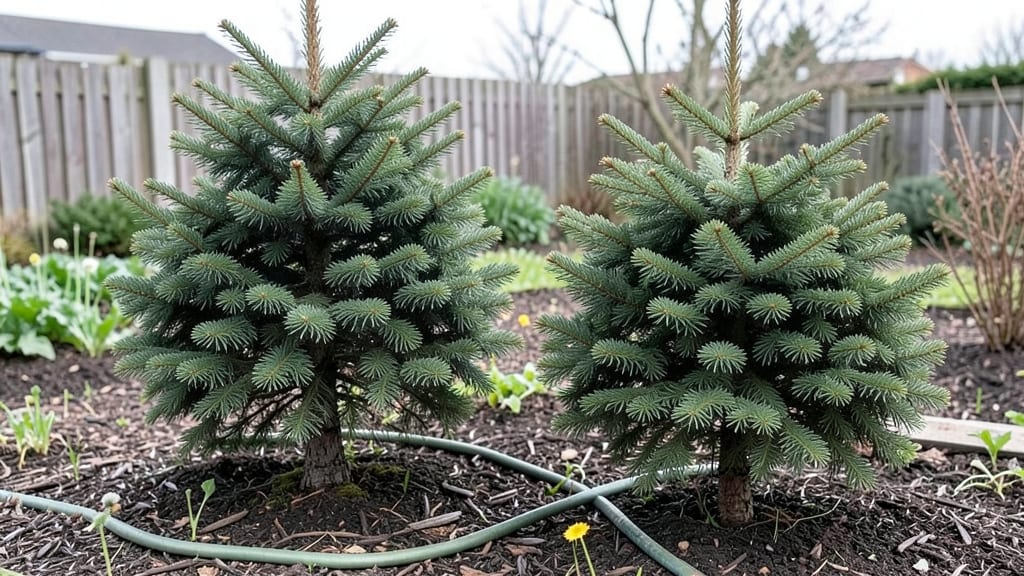
Fir evergreen trees can transform your yard into a lush, private retreat in just three years. 🌲 I planted my first row last spring, and the way they block wind while keeping the neighborhood out is nothing short of magical.
These trees thrive where many fail—cool climates, partial shade, even rocky soil—making them the unsung heroes of privacy screens.
The secret to their rapid growth lies in the right mix of well-draining soil, morning sunlight, and consistent moisture during their first year. You’ll need a 5-gallon container for young saplings or a trencher for bare-root planting—both methods work, but spacing matters.
Plant them 6-10 feet apart for that dense, wall-like effect by year three.
By summer’s end, you’ll see 10-12 feet of vertical growth, with needles so soft they feel like velvet. Prune only to shape—never to "thin out"—or you’ll lose that signature fir fragrance. Mulch heavily in winter to protect roots from freeze-thaw cycles, and watch them grow through snow.
Works in zones 3-7, whether you’re lining a fence, masking a noisy street, or adding height to a small yard. The payoff? A year-round screen that outlasts most fast-growing alternatives. Let’s get those roots in the ground!
📚 In This Guide
- What you need
- Instructions
- Tips and common mistakes
- Wrapping up and next steps
What you need
- ● Fir Tree Saplings: 3–5 1–2 ft tall (bare-root or potted) per linear foot of desired screen height (e.g., 10 saplings for a 10-ft section). Choose disease-resistant varieties like Abies concolor (white fir) or Picea pungens (blue spruce).
- ● Well-Draining Soil: Mix 60% native soil, 30% compost, and 10% perlite/sand for optimal aeration. Test soil pH (ideal: 5.0–7.0).
- ● Mulch: 2–3 inches of pine straw or wood chips (keep 6 inches away from tree trunks to prevent rot).
- ● Fertilizer: Slow-release, acid-loving plant fertilizer (e.g., 10-10-10 or 16-4-8) with micronutrients like iron and manganese.
- ● Watering Supplies: Hose with soaker nozzle or drip irrigation system.
- ● 5-gallon watering can for young saplings.
- ● Stakes & Ties: 4–6 ft bamboo stakes and soft tree ties (for windy areas).
- ● Pruning Tools: Bypass pruners (for small branches).
- ● Loppers (for thicker stems).
- ● Sterilizing solution (1 part bleach to 9 parts water) to clean tools.
- ● Garden Gloves (nitrile-coated for grip and protection).
- ● Shovel & Trenching Tool (for digging planting holes 3x wider than root balls).
- ● Wheelbarrow (for hauling soil/mulch).
- ○ Soil pH Test Kit (optional but helpful for customizing soil amendments).
- ● Tree Guards (plastic or wire mesh to protect young trunks from deer/browsing).
- ● Organic Pest Control: Neem oil spray (for aphids/spider mites).
- ● Beneficial nematodes (to combat grubs).
- ○ Landscape Fabric (optional, to suppress weeds under mulch).
Step-by-step guide to planting fir evergreen trees for a privacy screen
Here’s the proven method to establish a lush, wind-resistant privacy screen in just three years—no shortcuts, just smart planting.
🌱 Step 1: Choose and Prepare Planting Sites
Select a location with 6+ hours of sunlight daily and well-draining soil. Fir trees thrive in slightly acidic conditions (pH 5.0-6.5), so test your soil first. If your yard is heavy clay, amend with 2-3 inches of compost mixed into the top 12 inches of soil. Mark planting spots 6-10 feet apart—closer spacing encourages faster growth but may require pruning later.
Dig holes twice as wide as the root ball but no deeper. Loosen the sides of the hole with a shovel to prevent root circling. If planting in winter, wait until the ground isn’t frozen; spring is ideal for active root establishment. I always plant on a cloudy day to reduce transplant shock—fir needles dry out quickly in direct sun.
🪴 Step 2: Plant Fir Trees with Proper Spacing and Support
Remove the tree from its container and gently tease apart any circling roots with your fingers. Position the root ball so the top sits 1-2 inches above ground level—fir trees hate having their crown buried. Backfill with native soil mixed with compost, tamping lightly every 4 inches to eliminate air pockets.
Water deeply immediately after planting to settle the soil. Add a 3-inch layer of mulch around the base, keeping it 6 inches away from the trunk. This retains moisture and regulates soil temperature. Stake young trees if your area gets high winds—fir trees have shallow roots at first and can topple easily. Use soft ties to secure the trunk without girdling it.
☀️ Step 3: Water and Fertilize for Rapid Establishment
Water newly planted firs 2-3 times per week for the first 3 months, providing 1-2 gallons per tree. After that, water deeply once a week, checking that moisture reaches 6 inches down. Overwatering causes root rot, while underwatering stresses the tree—both lead to yellowing needles. I use a moisture meter to confirm soil conditions before watering again.
Apply a balanced, slow-release fertilizer (10-10-10) in early spring and again in mid-summer. Fir trees don’t need heavy feeding, but a light application encourages strong root and foliage growth. Avoid high-nitrogen fertilizers—they promote soft, weak growth that’s prone to pests. I also add mycorrhizal fungi, a powder mixed into the soil at planting, to boost root development.
✂️ Step 4: Prune and Maintain for a Dense Screen
Prune fir trees in late winter or early spring, before new growth begins. Remove only dead, diseased, or crossing branches—fir trees naturally grow dense and rarely need heavy pruning. Use sharp, clean shears to make cuts just outside the branch collar. Avoid "topping" or shearing the tree into a rounded shape; firs grow best when left to develop their natural form.
Monitor for pests like spider mites or bagworms, which thrive in dry conditions. Spray with neem oil in early summer if you spot webbing or discolored needles. Mulch annually to replenish organic matter and keep weeds at bay. In 3 years, your screen will reach 8-10 feet tall, providing year-round privacy and wind protection.
Tips & tricks for perfect fir evergreen privacy screens
A few strategic moves can transform your fir trees from struggling saplings to a thriving, wind-resistant privacy screen in just three years. Here’s how to maximize their potential from day one.
Soil Preparation Secret: The 2-3 inches of compost mixed into the top 12 inches of soil isn’t just about nutrients—it’s about creating the right texture. Fir trees hate soggy feet, so if you’re working with heavy clay, consider adding perlite or coarse sand to improve drainage. I’ve seen firs struggle in compacted soil, even when given proper watering. The goal is to mimic the forest floor where these trees naturally thrive: slightly acidic, loose, and well-draining. Test your soil’s pH before planting—if it’s above 6.5, you’ll need to add sulfur or peat moss to lower it gradually.
Root Ball Positioning: That 1-2 inch elevation above ground level is critical—don’t skip it! Fir trees have shallow root systems early on, and burying the crown encourages rot. After planting, gently press the soil around the edges to eliminate air pockets, but don’t compact it like you would for vegetables. Think of it as giving the roots a snug but breathable environment. I’ve seen too many firs planted too deep, only to develop yellowing needles and poor growth within months.
Watering Wisdom: Those first three months are the most critical for watering—2-3 times per week with 1-2 gallons per tree isn’t just arbitrary. Use a rain gauge or tuna can to measure your water output; many people underestimate how much they’re actually providing. Water deeply each time, letting it penetrate 6 inches down. The key is consistency: fir trees establish roots where they find moisture, and irregular watering creates a shallow root system that struggles in drought. Consider installing a drip irrigation system for the first year—it’s worth the investment for a screen that lasts decades.
Mulch Magic: The 3-inch layer of mulch isn’t just decoration—it’s a living part of your fir’s ecosystem. Keep that mulch 6 inches away from the trunk to prevent rot, but spread it generously around the root zone. Organic mulch like wood chips breaks down over time, adding nutrients to the soil while suppressing weeds. I’ve found that mulching annually in late winter helps regulate soil temperature and retains moisture during dry spells. Just avoid piling mulch against the trunk—it can create a moist environment that attracts pests.
Pro Tips for Fir Evergreen Trees
- A few strategic moves can transform your fir trees from struggling saplings to a thriving, wind-resistant privacy screen in just three years.
- Soil Preparation Secret: The 2-3 inches of compost mixed into the top 12 inches of soil isn’t just about nutrients—it’s about creating the right texture.
- Root Ball Positioning: That 1-2 inch elevation above ground level is critical—don’t skip it!
Frequently asked questions
Got questions about growing fir evergreen trees? Here are some of the most common ones—and their answers—to help you plan like a pro!
How fast do fir evergreen trees grow?
Most fir species grow at a moderate pace. For example, Douglas fir and Fraser fir can add 12–24 inches per year under ideal conditions. With proper care, a 3-year privacy screen (6–8 feet tall) is achievable! Patience and consistent watering speed things up.
What’s the best time to plant fir evergreen trees?
Plant in early spring or fall when soil is moist but not frozen. Avoid extreme heat or drought. Young firs need time to establish roots before summer stress hits. Pro tip: Mulch well to retain moisture and protect roots.
Why is my fir tree turning brown?
Brown needles often signal drought stress, pests, or disease. Check for spider mites or bark beetles. Overwatering can also cause root rot. Solution: Water deeply but infrequently, and prune dead branches. If the issue persists, consult a local arborist.
Can fir trees grow in full shade?
Most firs prefer partial shade to full sun (4–6 hours of light daily). Deep shade slows growth and weakens foliage. If planting under trees, choose shade-tolerant varieties like Balsam fir or Canaan fir. Monitor for yellowing needles.
How much do fir evergreen trees cost?
Prices vary by size and species. A 1-gallon fir sapling costs $20–$50, while a 15-gallon (6–8 ft tall) tree runs $100–$300. Local nurseries often offer discounts in spring. Tip: Buy in bulk for privacy screens to save!
Wrapping up and next steps
Growing fir evergreen trees as a privacy screen is a rewarding project that pays off in beauty, functionality, and long-term value! 🌲 With the right soil, spacing, and care, you can enjoy a lush, natural barrier in just three years.
Whether you're a beginner or an experienced gardener, these resilient trees are a fantastic choice for adding greenery and security to your property.
Ready to get started? Mark your calendar, gather your supplies, and take that first step toward a stunning evergreen haven. Your future self—and your neighbors—will thank you!