
Companion Plants
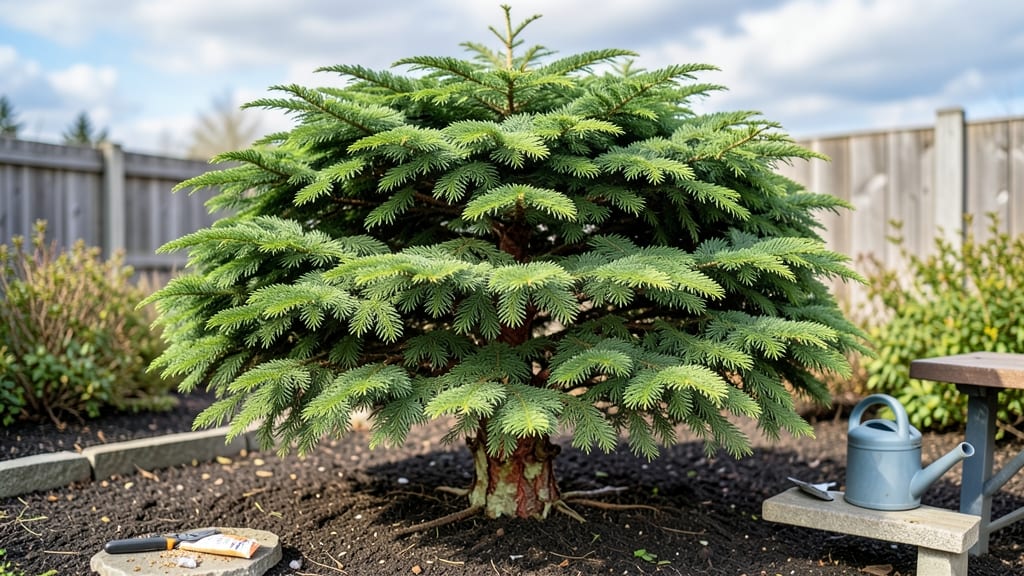
Fast-growing cedar trees turn a bare yard into a lush privacy screen within three years—no waiting decades for slow-growing evergreens. 🌿 I planted mine last spring, and by summer’s end, they’d already filled in half the space between my fence and neighbor’s. The key isn’t just picking the right species (Deodara or Atlas cedars grow fastest) but planting them correctly from the start.
You’ll need well-draining soil, full sun, and a spot sheltered from strong winds—cedars hate being tossed around like weeds. Most nurseries sell them as 3- to 5-foot plants, so you can stagger planting heights for instant visual impact.
Water deeply once a week for the first year, then let nature take over; these trees are drought-tolerant once established.
By year three, your screen will be thick enough to block nosy neighbors and road noise, with that classic cedar aroma filling the air. The best part?
They need almost no pruning—just a light trim every few years to keep them shaped. No messy cleanup, no constant upkeep, just steady, reliable growth.
Works in zones 5–9, though Deodara cedars handle cooler climates better. For faster results, plant in early spring when roots can establish before summer heat. Here’s how to get started without the usual growing pains.
📚 In This Guide
- What you need
- Instructions
- Tips and common mistakes
- Wrapping up and next steps
What you need
- ● Cedar tree plants: 3–5 Thuja occidentalis (Arborvitae) or Thuja plicata (Western Red Cedar) saplings, depending on desired height (e.g., 3 ft for 6 ft spacing).
- ● Shovel: A 5–6 lb digging shovel for planting holes.
- ● Garden gloves: Heavy-duty, waterproof gloves to protect hands.
- ● Mulch: 3–4 cubic yards of pine bark or shredded cedar mulch (3–4 inches deep).
- ● Compost: 5–10 lbs of well-aged compost or organic fertilizer (10-10-10 NPK ratio).
- ● Watering can or hose: Adjustable nozzle for gentle watering.
- ○ Stakes (optional but recommended):strong> 4–6 6 ft wooden or metal stakes + twine or zip ties for support.
- ● Location: Sunny to partially shaded area with well-draining soil (pH 6.0–7.5).
- ● Measuring tape: To mark 6–8 ft spacing between plants.
- ● Pruners: Bypass pruners for shaping (sterilized with rubbing alcohol).
- ○ Soil test kit (optional): To check nutrient levels before planting.
- ○ Weed barrier fabric (optional): 3 ft wide roll to suppress weeds.
Step-by-Step instructions for planting cedar trees as a privacy screen
Here's how to plant cedar trees for a lush, fast-growing privacy screen that delivers results in just three years.
🌱 Step 1: Choose the Right Location and Spacing
Cedars thrive in full sun to partial shade, so pick a spot that gets at least 4-6 hours of sunlight daily. Avoid low-lying areas where cold air settles—cedars hate soggy roots. Measure your target height and divide by 3 to determine spacing; for a 10-foot-tall screen, plant trees 3 feet apart in rows 4-5 feet apart.
Dig a hole twice as wide as the root ball but only as deep. This encourages roots to spread horizontally instead of circling the pot. Loosen the soil at the bottom of the hole with your hands—cedars appreciate well-aerated soil. If your soil is heavy clay, mix in 1-2 inches of compost to improve drainage.
🪴 Step 2: Plant Each Cedar Tree Properly
Remove the tree from its container and gently loosen the roots if they're circling. Place the tree in the hole so the top of the root ball sits 1 inch above ground level—this prevents rot as soil settles. Backfill with the native soil you removed, tamping lightly every 2 inches to eliminate air pockets.
Create a 2-inch-high berm around the tree's base to catch water. Fill the berm with soil and water deeply until it's saturated. Mulch with 2-3 inches of wood chips, keeping it 6 inches away from the trunk to prevent rot. This mulch ring helps retain moisture and suppresses weeds.
💧 Step 3: Water Deeply and Establish a Routine
Water each tree immediately after planting with 1-2 gallons of water, then repeat every 2-3 days until new growth appears. Cedar trees need consistent moisture during their first year—let the top 2 inches of soil dry out between waterings. Overwatering is worse than underwatering; soggy soil suffocates roots.
After 4-6 weeks, reduce watering to once a week unless your area experiences extreme heat. You'll know your cedars are established when they show new growth in spring without wilting. At this point, they can handle natural rainfall and need only supplemental water during droughts.
✂️ Step 4: Prune for Shape and Health
Wait until spring or early fall to prune—never in summer when stress makes trees vulnerable. Remove any dead, diseased, or crossing branches first using clean, sharp pruners. Thin out 10-15% of the tree's foliage to improve air circulation and reduce pest risks.
Shape your screen by trimming the outer branches to encourage a dense, uniform look. Aim for a rounded top rather than a flat one—this helps water run off instead of pooling. Prune no more than 25% of the tree's foliage at a time to avoid shocking it. You'll see faster growth if you prune lightly each year instead of heavily every few years.
☀️ Step 5: Maintain for Fast, Dense Growth
Fertilize cedars lightly in early spring with a balanced 10-10-10 fertilizer spread evenly around the drip line. Use only ½ pound per tree—cedars are sensitive to over-fertilization, which causes weak, leggy growth. Water the fertilizer in immediately to prevent root burn.
Monitor for pests like bagworms or spider mites, which thrive in dense screens. Treat infestations early with horticultural oil or insecticidal soap. With proper care, your cedars will grow 1-2 feet per year, creating a full privacy screen in just 3 years. Mulch annually to maintain moisture and suppress weeds—this saves time and keeps your screen looking neat.
Tips & tricks for planting cedar trees as a fast privacy screen
Here's what I learned after planting cedars myself—and how to avoid the mistakes that slow growth or kill trees.
Location is Everything: That 4-6 hours of sunlight is non-negotiable for fast growth. I planted mine in partial shade once and noticed the trees grew only half as fast as those in full sun. Also, check for underground utility lines before digging—call 811 if you're unsure. Cedar roots can grow aggressively and damage buried pipes.
Root Ball Trick: When loosening circling roots in Step 2, use your fingers to gently separate them—don't cut them. I made the mistake of snipping roots once, thinking it would help, but it actually stressed the tree. The goal is to encourage outward growth, not damage the root system. For container-grown trees, soak the root ball in water for 10 minutes before planting to reduce transplant shock.
Watering Hack: That 2-inch-high berm around each tree's base is a game-changer. It creates a natural water reservoir that keeps roots consistently moist without overwatering. I fill mine with a mix of soil and a handful of slow-release granules—this gives you one less thing to remember during the critical first 4-6 weeks. Just water the berm, not the trunk.
Pruning Timing: Spring or early fall pruning is crucial because summer heat stresses cedars. I learned this the hard way when I pruned in July—my trees lost half their new growth. When shaping your screen, focus on removing only the outer branches. The inner foliage creates that dense look naturally. Think of it like sculpting: less is more for cedars.
Pro Tips for Cedar Tree Plants
- Here's what I learned after planting cedars myself—and how to avoid the mistakes that slow growth or kill trees.
- Location is Everything: That 4-6 hours of sunlight is non-negotiable for fast growth.
- Root Ball Trick: When loosening circling roots in Step 2, use your fingers to gently separate them—don't cut them.
Frequently asked questions
Got questions about growing cedar trees for your privacy screen? You’re not alone!
Here are answers to the most common queries to help you plant with confidence.
When is the best time to plant cedar trees for a fast-growing privacy screen?
Plant cedar trees in early spring or fall when temperatures are mild (50–70°F). Avoid summer heat or winter frost, as these can stress young plants. Spring planting gives them the full growing season to establish roots before winter, while fall allows them to settle before dormancy.
How far apart should I space cedar trees for a dense privacy screen in 3 years?
Space cedar trees 3–5 feet apart for a tight, fast-growing screen. Thinner spacing (3 feet) encourages quicker filling but may require pruning later. Wider gaps (5 feet) give them room to grow naturally but take slightly longer to close. For a hedge-like look, aim for 4 feet apart.
Do cedar trees need a lot of water, or are they drought-tolerant?
Cedar trees are drought-tolerant once established, but young plants need consistent watering. Water deeply 1–2 times per week for the first year, focusing on the root zone. After that, they thrive with occasional deep watering during dry spells. Overwatering can harm them, so well-draining soil is key!
What pests or diseases should I watch for in cedar trees?
Cedar trees are generally low-maintenance, but watch for cedar-apple rust (orange pustules on leaves) or bagworms (spiny caterpillars). Treat rust with fungicides if severe, and handpick or spray bagworms with insecticidal soap. Prevention tip: Prune for airflow and remove fallen apples to reduce rust risks.
Can I use cedar trees as a privacy screen in full shade?
Cedar trees prefer full sun to partial shade (4–6 hours of sunlight daily). In full shade, they grow slower and may become sparse. If shade is unavoidable, choose a tolerant variety like the Eastern Red Cedar and supplement with occasional pruning to encourage bushier growth.
Wrapping up and next steps
Ready to transform your outdoor space with a stunning, fast-growing cedar tree privacy screen? 🌲 These versatile plants offer beauty, durability, and low maintenance—perfect for creating a serene, secluded retreat in just three years.
Whether you're a beginner or a seasoned gardener, cedar trees are an excellent choice for adding both function and charm to your landscape.
Now that you’re equipped with the materials, tips, and answers you need, take the next step: mark your planting dates and start digging! Your future privacy haven awaits—happy planting! 🌱✨