
Planting
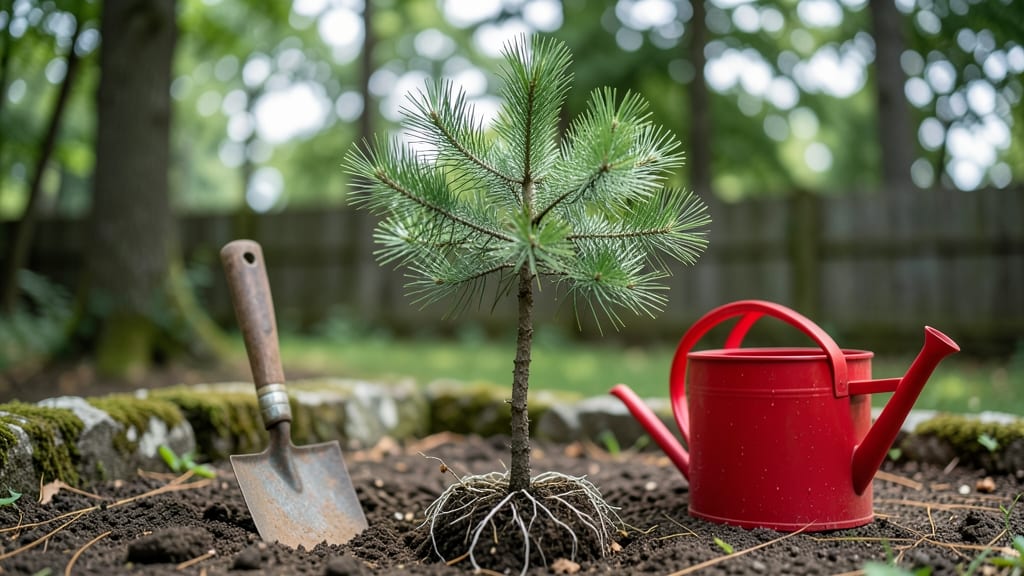
Transplanting a pine tree can turn your yard into a sad, browned-out mess if you don’t handle the shock right. 🌲 I’ve lost count of the times I’ve watched pines wilt after moving them—until I learned these recovery tricks that bring them back to life within weeks.
The key isn’t just digging and replanting; it’s about mimicking their natural environment so the roots don’t freak out.
Pine trees suffer shock when roots dry out, get damaged, or can’t adjust to new soil. You’ll spot the problem through yellowing needles, stunted growth, or even dead branches—classic signs the tree’s struggling to drink water.
But here’s the good news: with the right soil prep, watering routine, and a little patience, you can revive even the most stressed transplants.
Start by amending the soil with organic matter to help roots establish faster. Water deeply right after transplanting, then keep the soil consistently moist (not soggy) for the first 6-8 weeks.
Mulch around the base to lock in moisture and protect roots from temperature swings. Within 3-6 months, you’ll see fresh growth as the tree recovers.
This works for container-grown pines, nursery transplants, or even those you dug yourself. The same principles apply whether you’re fixing a recent move or salvaging a struggling tree. Let’s get those roots thriving again—your pine’s second chance starts now.
Root Stress Triggers in Transplants
Pine trees are resilient, but moving them—even with care—can trigger a cascade of stress responses that lead to transplant shock. Understanding the root causes (literally!) helps you mitigate damage and give your tree the best chance to recover. Here’s why it happens, broken down by the key stressors:
When you uproot a pine tree, even with a root ball, you’re severing a delicate network of fine roots and mycorrhizal fungi—critical partners that absorb water and nutrients. These roots are often pruned during extraction, removing up to 30-50% of the tree’s feeding capacity in a single move.
- Fine root damage: The tiny, hair-like roots (responsible for 90% of water uptake) are easily crushed or desiccated during digging or handling.
Without them, the tree struggles to hydrate, even if the soil looks moist. - Mycorrhizal disruption: These beneficial fungi form a symbiotic relationship with pine roots, extending their reach by 10-20 times.
Losing them forces the tree to rely solely on its own roots—an unsustainable burden post-transplant. - Girdling roots: If roots wrap around the root ball (common in container-grown pines), they can strangle circulation when disturbed, cutting off oxygen and nutrients to inner roots.
Pro tip: ⏳ Timing matters—transplant during the tree’s dormant season (late fall or early spring) to minimize active root loss. If transplanting in summer, water deeply 2–3 days before moving to encourage root growth toward the outer edges of the root ball.
Pine trees are adapted to deep, consistent moisture, but transplant shock often starts with a hydration crisis. Three main issues derail water absorption:
| Issue | Why It’s Problematic | How to Fix It |
|---|---|---|
| Root desiccation | Exposed roots dry out within hours, even in humid air, because they lose protective soil moisture. | Keep roots covered with damp burlap or wet newspaper during transport. |
| Soil compaction | New planting holes packed too tightly restrict oxygen to roots, suffocating them. | Loosen soil with a broadfork to 12–18" deep; mix in compost or sand for aeration. |
| Over/under-watering | Too much water drowns roots; too little causes wilting as the tree can’t uptake fast enough. | Drip irrigation for 20–30 mins daily for the first 2 weeks; mulch to retain moisture. |
💡 Key insight: Pines hate "wet feet." If the root ball sits in soggy soil, anaerobic bacteria thrive, releasing toxins that rot roots faster than the tree can recover.
Pine trees are sensitive to abrupt changes in their surroundings. Even small shifts can trigger shock by overwhelming their stress-response systems:
- Temperature swings: Moving a pine from a shaded forest understory to a sunbaked yard (or vice versa) causes leaf scorch or cold damage.
Needles may yellow or brown as the tree diverts energy to survival instead of growth. - Wind exposure: Without the shelter of neighboring trees, transpiration rates skyrocket, pulling moisture from roots before they can replenish it.
This is why newly transplanted pines droop midday even when soil is moist. - pH and soil chemistry: Pines prefer acidic soil (pH 4.5–6.0). Alkaline or nutrient-poor soil post-transplant forces the tree to exhaust energy trying to adjust its root chemistry.
✨ Actionable fix: Acclimate gradually—move pines to their new location 2–3 weeks before final planting, shielding them from direct sun/wind with shade cloth or temporary screens.
Mishandling during transport or planting can cause mechanical damage that’s invisible but deadly:
- Root ball compression: Squeezing the root ball (e.g., lifting by the trunk or driving over it) collapses soil pores, cutting off oxygen.
A compressed root ball can reduce water uptake by 40%. - Needle and branch breakage: Rough handling snaps needles or limbs, increasing the tree’s transpiration load (more water lost through open wounds). - Improper staking: Straps or stakes too tight girdle the trunk, restricting sap flow.
Pines rely on efficient vascular transport—disrupt this, and shock sets in faster.
🔥 Pro move: Use a wide, shallow trench (not a deep hole) to lower the tree gently. Never drag it by the branches—always lift by the root ball or trunk base.
Healthy pine roots host billions of beneficial microbes, but transplanting introduces new risks:
- Pathogen invasion: Freshly disturbed roots are vulnerable to root rot fungi (Phytophthora, Armillaria) or bacterial wilt in waterlogged soil. - Lost microbial partners: Mycorrhizal fungi take weeks to re-establish.
Without them, the tree’s nutrient uptake drops by 30–50% in the first year. - Soilborne competition: Native soil microbes may outcompete the tree’s existing microbiome, slowing recovery.
🌡️ Prevention: Add mycorrhizal inoculant to the planting hole and avoid chemical fertilizers for the first 3 months—let the tree rebuild its microbial allies naturally.
Even well-meaning gardeners can introduce toxins that accelerate shock:
- Fertilizer burn: High nitrogen or phosphorus post-transplant overstimulates growth while roots are still recovering, leading to leaf yellowing (chlorosis).
- Herbicide residue: Old weed killer in the new soil can poison roots for months.
- Salt buildup: From tap water or synthetic soil amendments, salt disrupts osmosis, making it harder for roots to absorb water.
🎯 Solution: Test soil before planting; use organic, slow-release fertilizers (like composted manure) only after 6–8 weeks of recovery.
Reviving Your Pine Tree After Transplant Stress
Transplant shock can feel like a death sentence for your pine tree, but with the right care, you can nurse it back to health. The key is addressing the root causes—literally—with targeted solutions.
Below, we’ll break down practical fixes for each common issue, plus prevention tips to keep your tree thriving long-term.
Cause: Overwatering or underwatering after transplanting. Solution: Pine trees need consistent moisture but hate soggy roots. Follow this watering guide:
- 💧 First 2 Weeks: Water deeply 2–3 times per week (check soil 2" down—it should be moist but not drenched). - 🌡️ Adjust for Climate: In hot/dry weather, water every 5–7 days.
In cool/wet seasons, reduce to once a week. - 🚰 Drainage Check: Ensure pots or planting holes have holes at the bottom and use well-draining soil (sandy loam + perlite works best).
💡 Pro Tip: Use a moisture meter to avoid guesswork. If the needle reads "dry," water thoroughly until it runs out the drainage holes.
Cause: Sudden exposure to intense sunlight after transplanting. Solution: Pines are sun-lovers, but transplant shock weakens their needles, making them prone to scorching.
- 🌿 Gradual Acclimation: Move potted pines to partial shade for 1–2 weeks, then slowly introduce full sun over 7–10 days.
- 🌳 Temporary Shade Cloth: Use 30–50% shade cloth if planting in peak summer to reduce stress.
- 🌅 Best Times to Plant: Early spring or fall (avoid mid-summer heat waves).
✨ Prevention Tip: If you must plant in summer, water deeply in the evening to help roots absorb moisture overnight.
Cause: Wind desiccates needles and uproots fragile new roots. Solution: Create a windbreak to stabilize your pine tree.
- 🏡 Temporary Barrier: Use burlap screens, privacy fencing, or even a sturdy cardboard shield on the windward side.
- 🌳 Plant Strategically: Avoid exposed areas—plant near a fence, building, or other trees for natural wind protection.
- 🌿 Stake Young Trees: If your pine is top-heavy, stake it lightly (use soft ties to avoid girdling).
🎯 Long-Term Fix: Once roots establish (after 6–12 months), the tree will handle wind better.
Cause: Damp soil + stress = fungal threats like root rot or needle blight. Solution: Keep the root zone healthy and dry.
- 🧼 Fungicide Treatment: Apply a copper-based fungicide (like Copper Soap) every 2–4 weeks during wet seasons.
- 🌿 Mulch Correctly: Use 2–3 inches of pine bark mulch, keeping it 2 inches away from the trunk to prevent rot.
- 🚫 Avoid Overhead Watering: Water at the base (not leaves) to reduce fungal spores.
💡 Quick Fix: If you spot yellow needles or black spots, trim affected branches and treat with fungicide immediately.
Cause: Transplant shock depletes nutrients, slowing regrowth. Solution: Wait 4–6 weeks before fertilizing, then use a balanced, slow-release formula.
- 📊 Best Fertilizer: 10-10-10 or 20-20-20 (diluted to half-strength) in early spring or fall.
- 🍃 Organic Option: Fish emulsion or compost tea for a gentler boost.
- ⏰ Timing Matters: Never fertilize in extreme heat—it burns roots.
🔥 Avoid: High-nitrogen fertilizers (like lawn food)—they encourage soft, weak growth.
Once your pine tree recovers, prevent future shock with these habits:
| Do This ✅ | Avoid This ❌ |
|---|---|
| Dig a wide, shallow hole (twice as wide as the root ball). | Plant too deep—root collar should sit 1–2 inches above ground. |
| Loosen roots before planting (gently tease them apart). | Bending roots too hard—this can cause permanent damage. |
| Water deeply after planting (but don’t overdo it). | Letting soil dry out completely in the first month. |
| Mulch annually to retain moisture. | Piling mulch against the trunk (causes rot). |
If your pine tree shows no improvement after 3–4 weeks (wilted needles, blackened branches, or oozing sap), it may need:
- Root inspection (a arborist can check for rot or damage).
- Professional transplanting if DIY efforts fail.
Final Thought: Patience is key—most pines bounce back within 6–12 months with the right care. By addressing water, sun, wind, and nutrients, you’ll give your tree the best shot at a full recovery. 🌲✨
Frequently asked questions
How long does it take for a pine tree to recover from transplant shock?
Most pine trees show signs of recovery within 3-6 months, with full stabilization typically taking 6-12 months. Young pines (under 5 years) recover faster than mature specimens, but consistent care—like proper watering and mulching—speeds up the process significantly.
What are the first signs my pine tree is suffering from transplant shock?
Watch for needle browning, stunted growth, or drooping branches—classic shock symptoms. You might also spot yellowing needles (chlorosis) or premature needle drop. These signs appear within 2-4 weeks after transplanting if roots aren't establishing properly.
Can I transplant a pine tree in summer without causing severe shock?
Transplanting in summer is risky, but you can minimize shock by watering deeply 2-3 days before moving and using shade cloth for the first 2 weeks. Avoid midday heat—opt for early morning or late afternoon planting. Container-grown pines handle summer moves better than bare-root ones.
How much water should I give a newly transplanted pine tree?
Water deeply 2-3 times per week for the first 2 weeks, keeping soil moist but not soggy. After that, adjust based on weather—every 5-7 days in hot/dry conditions, once weekly in cooler climates. A moisture meter helps avoid over/under-watering, which both stress roots.
Should I fertilize my pine tree right after transplanting?
Wait 4-6 weeks before fertilizing—new roots need time to establish. Use a balanced, slow-release fertilizer (like 10-10-10) in early spring or fall only. Avoid high-nitrogen fertilizers, which can burn delicate roots and worsen shock.