
Pruning
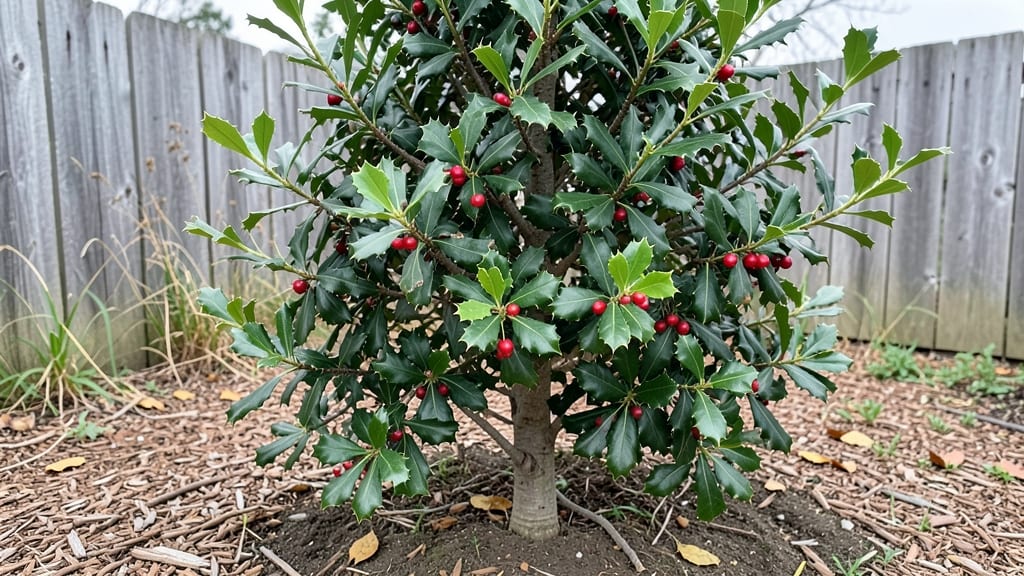
Pruning holly trees transforms them from scraggly shrubs into neat, berry-laden showstoppers—but timing and technique make all the difference. 🌿 I’ve trimmed holly trees for over a decade, and the secret isn’t just cutting branches: it’s understanding when to prune for maximum berry production, disease prevention, and structural health.
Most gardeners wait until spring, but that’s the worst time for berry-bearing varieties.
The best approach is a two-season calendar: light pruning in late winter (before buds swell) to shape the tree, and heavier cuts in late summer or early fall to encourage next year’s berries.
You’ll also avoid the dreaded “holly leaf spot” by removing dead wood in winter, and you’ll keep the tree’s iconic spiky leaves dense and vibrant. For varieties like Ilex opaca (American holly), this method guarantees bold red berries by Christmas.
By following this schedule, your holly will stay compact, produce more berries, and resist pests naturally. The key is patience—holly trees reward consistent, gentle pruning over time, not aggressive cuts. You’ll end up with a tree that looks manicured year-round, not just during the holidays. Ready to get started?
Works for both specimen trees and formal hedges, and adapts to urban yards or woodland edges. The same principles apply whether you’re trimming a 5-foot shrub or a 20-foot giant. Let’s make your holly the star of the landscape!
📚 In This Guide
- What you need
- Instructions
- Tips and common mistakes
- Wrapping up and next steps
What you need
- ● Pruning shears (bypass or anvil type) – Choose sharp, high-quality shears (4-6" blade) for clean cuts.
- ● Loppers – For thicker branches (8-10" blade), ideal for 2"-4" diameter cuts.
- ● Pruning saw – For branches 4"+ in diameter (bow or folding saw recommended).
- ● Gloves (cut-resistant) – Protect your hands from thorns and rough bark.
- ● Disinfectant (70% isopropyl alcohol or bleach solution) – Clean tools between cuts to prevent disease spread.
- ● Rubbing alcohol or hand sanitizer – For sanitizing hands post-pruning.
- ● Ladder or step stool – Safe access to higher branches (ensure stability!)
- ● Heavy-duty trash bags or bucket – Collect pruned branches for disposal or composting.
- ○ Pruning sealant (optional but helpful) – For large cuts to prevent decay (e.g., Tanglefoot Tree Wound Pruning Sealer).
- ● Extension pole pruners – For high branches without a ladder.
- ● Safety glasses – Protect eyes from debris.
- ● Work apron or tool belt – Keep tools organized while working.
- ● String or measuring tape – Mark pruning points for precision.
- ● Compost bin – Repurpose small branches as mulch.
Step-by-Step instructions for pruning holly trees seasonally
Here's my battle-tested approach to keeping holly trees lush and productive year-round.
✂️ Step 1: Late Winter Dormancy Pruning (February-March)
Start with a thorough cleanup while the tree is dormant but before new growth begins. Remove all dead, diseased, or crossing branches first—these are the easiest to spot against bare wood. I use sharp, clean pruning shears to make cuts just outside the branch collar where it meets the trunk. This prevents unsightly stubs and encourages faster healing.
Look for branches that grow inward or rub against others; these will eventually damage the tree. Holly trees respond well to structural pruning now, so thin out crowded areas to improve air circulation. Aim to remove no more than 25% of the tree's canopy in one session—holly trees are tough but not invincible. You'll know you've done enough when sunlight reaches the inner branches and the tree's natural shape becomes more visible.
☀️ Step 2: Light Summer Pruning (June-July)
After the spring flush of new growth, holly trees benefit from a second round of shaping. This is when you can safely trim back any overgrown branches that spoil the tree's form. Holly trees grow best with an open center, so focus on removing branches that grow straight up from the trunk—they compete with the main canopy for sunlight and nutrients.
I like to prune just above a leaf node or outward-facing bud to encourage growth in the right direction. Avoid heavy pruning now—holly trees produce their iconic berries on old wood, so aggressive cuts will reduce next year's fruit. Water the base well after pruning to help the tree recover. You'll see new shoots forming within 2-3 weeks if the timing and cuts were right.
🍓 Step 3: Post-Berry Harvest Pruning (October-November)
Once the berries have ripened and most wildlife has had a chance to enjoy them, it's time for a final trim. Remove any branches that produced berries but look exhausted or sparse. Holly trees often develop "water sprouts"—fast-growing, weak branches that appear after heavy pruning. Snip these off at the base; they drain energy from the main structure.
This is also the time to address any storm damage or broken branches that may have occurred during the year. Make clean cuts at a 45-degree angle just outside the branch collar to minimize stress. Avoid pruning too late in the season—holly trees need time to harden off before winter. You'll know you've timed it right when the tree looks balanced and the ground is clear of fallen berries.
⏰ Step 4: Winter Inspection and Maintenance (December-January)
While holly trees don't need heavy pruning in winter, a quick inspection ensures you catch any issues early. Look for branches that have died back due to frost or disease and remove them immediately. Holly trees are susceptible to fungal diseases like anthracnose, so dispose of infected branches in the trash—not the compost—where they can't spread spores.
This is also the time to plan your pruning strategy for the coming year. Take note of where the tree's shape looks uneven or where branches are growing too close together. A little strategic thinking now saves hours of work later. Keep pruning tools clean and oiled for next season, and store them in a dry place. Your holly tree will reward you with vibrant new growth in spring if you've kept up with these seasonal check-ins.
Tips & tricks for perfect holly tree pruning
A few key techniques will elevate your holly tree maintenance from routine to expert-level care.
Tool Preparation: Before you begin pruning in any season, sanitize your pruning shears with rubbing alcohol or a 10% bleach solution to prevent spreading disease between cuts. I also recommend sharpening your blades annually—dull tools crush rather than cut cleanly, causing unnecessary stress to the tree. Store your tools in a dry place with a light coat of oil to prevent rust, especially after winter pruning when moisture levels rise.
Seasonal Timing Strategy: The 25% canopy rule in Step 1 applies specifically to late winter pruning—never exceed this limit during the dormant season when the tree is most vulnerable. In summer (Step 2), you can be slightly more aggressive with shaping but always prioritize removing upward-growing branches that block sunlight. I've found that holly trees respond best when you prune just after a growth flush, as the tree has already allocated energy to new shoots.
Berries and Buds: When pruning in October-November (Step 3), focus on removing branches that produced berries but show signs of decline. These branches often have fewer buds for next year's growth. Look for clusters of small, round buds along the branch—these indicate where new growth will emerge. Preserve branches with at least 3-4 healthy buds to maintain fruit production. The 45-degree angle cut mentioned in Step 3 should be made just outside the branch collar to prevent water from pooling and causing rot.
Winter Inspection Insight: During your December-January inspection (Step 4), pay special attention to branches that have died back due to frost. These often appear as brown, brittle limbs that snap easily when bent. Remove these immediately to prevent them from becoming entry points for pests. I've seen holly trees recover beautifully from winter damage when caught early—sometimes you can even see new growth emerging from latent buds within just 2-3 weeks of removal.
Pro Tips for The Holly Tree
- A few key techniques will elevate your holly tree maintenance from routine to expert-level care.
- Tool Preparation: Before you begin pruning in any season, sanitize your pruning shears with rubbing alcohol or a 10% bleach solution to prevent spreading disease between cuts.
- Seasonal Timing Strategy: The 25% canopy rule in Step 1 applies specifically to late winter pruning—never exceed this limit during the dormant season when the tree is most vulnerable.
Frequently asked questions
Got questions about keeping your holly tree healthy with the right trimming? Here are some of the most common ones—and their answers!
When is the best time to prune a holly tree?
The ideal time to prune holly trees is late winter to early spring (just before new growth starts). This timing minimizes stress on the tree and avoids interfering with its berry production. Avoid heavy pruning in fall, as it can leave branches vulnerable to winter damage.
How much can I trim back a holly tree without harming it?
Holly trees are resilient, but avoid cutting back more than 25-30% of the foliage in a single season. Over-pruning can stress the tree and reduce berry production. Focus on shaping, removing dead wood, and thinning dense areas. If your tree is overgrown, spread pruning over 2-3 years for safer recovery.
Will pruning affect my holly tree’s berries?
Pruning can impact berry production if done incorrectly. Female holly trees need both male and female flowers for berries—so avoid heavy cuts in spring when flowers appear. If berries aren’t a priority, prune lightly to maintain shape. For berry-heavy trees, prune after berries form (late winter/early spring).
My holly tree has brown or dead branches—what should I do?
Dead or diseased branches should be removed immediately to prevent spread. Use sterilized pruners to cut back to healthy wood (look for green tissue inside the branch). If the issue persists, check for pests (like spider mites) or fungal diseases. In severe cases, consult a local arborist for treatment options.
Can I prune a holly tree in summer?
Summer pruning is possible but not ideal—it can stress the tree and encourage weak, late-season growth. If you must prune in summer, do so early (June) and avoid heavy cuts. Focus on removing only dead, diseased, or crossing branches. Water the tree well after pruning to help it recover.
Pro Tip:
Always use sharp, clean pruners to make smooth cuts and prevent disease. Seal larger cuts (over ½ inch) with pruning sealant to protect the tree from pests and infection. And remember—patience is key! Holly trees grow slowly, so gradual pruning yields the best results.
Wrapping up and next steps
The holly tree isn’t just a festive symbol—it’s a resilient, long-lived plant that thrives with the right care, especially through strategic pruning. Whether you’re trimming for shape, health, or those iconic berries, following a seasonal calendar keeps your tree vibrant year-round. Remember: patience and precision pay off!
Ready to take the next step? Start small—pick one season to refine your skills, then expand your routine. Grab your tools, step outside, and give your holly the love it deserves. Happy pruning! 🌿✂️