
Landscaping
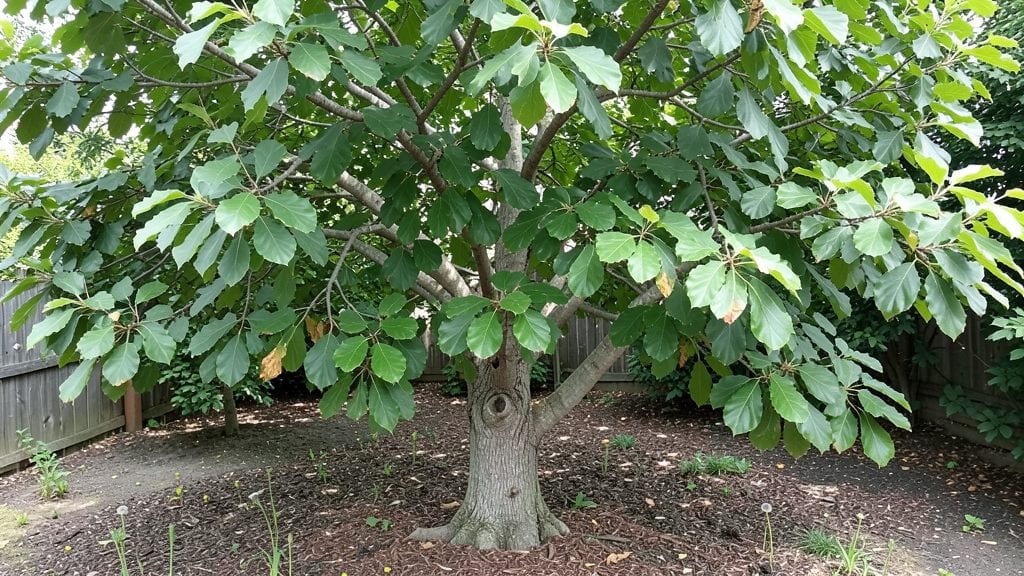
Landscaping with beech trees turns ordinary yards into timeless, low-maintenance masterpieces that shine in every season. ✨ I planted my first beech sapling after seeing how its velvety bark and golden autumn leaves transformed a neighbor’s dull corner into a focal point—now I can’t imagine designing without them.
Their slow growth means they’re perfect for long-term planning, and their shade creates cozy spots for seating or play areas. Pair them with spring bulbs for early color, or let them stand alone as a bold statement piece.
Beech trees handle both formal gardens and wild woodland edges with equal grace.
You’ll love how they stay green through winter, their bark develops rich textures over time, and their roots stay shallow enough to avoid major digging later. The key is spacing them properly—15 to 20 feet apart—so they have room to grow without crowding other plants.
Works in almost any climate zone (4 through 8) and adapts to urban or rural settings. Here’s how to make them the star of your landscape without the high maintenance of fussy shrubs.
📚 In This Guide
- What you need
- Instructions
- Tips and common mistakes
- Wrapping up and next steps
What you need
- ● Beech tree seedlings or saplings: 1–5+ trees (depending on design; Fagus sylvatica for European beech or Fagus grandifolia for American beech).
- ● Size: 1–3 ft tall (smaller for easier planting, larger for instant impact).
- ● Planting hole supplies: Shovel (round-point or digging spade).
- ● Garden fork (for loosening soil).
- ● Measuring tape (to ensure proper spacing: 15–25 ft apart for mature trees).
- ● Soil amendments: Compost or aged manure (5–10 gallons per tree).
- ● Slow-release fertilizer (10–20 lbs, 10–10–10 NPK ratio).
- ● Mulch: 3–4 inches of organic mulch (wood chips or pine straw).
- ● Watering tools: Hose with adjustable nozzle or watering can.
- ○ Drip irrigation kit (optional but ideal for deep watering).
- ● Erosion control: Landscape fabric or straw bales for slopes.
- ● Support: Tree stakes + soft ties (for young, top-heavy saplings).
- ● Decorative elements: Pathway stones, boulders, or understory plants (e.g., hostas or ferns).
- ● Pest deterrents: Copper tree collars or neem oil (for early-season protection).
Step-by-step guide for planting and maintaining beech trees
Here's how to establish beech trees with minimal fuss for stunning year-round interest.
🌱 Step 1: Choose the Perfect Planting Location
Beech trees thrive in full sun to partial shade, with at least 6 hours of sunlight daily. I always scout the site first—look for areas with well-draining soil and shelter from strong winds, which can stress young trees. Mark the spot with stakes to visualize spacing: mature beeches need 30-40 feet between specimens for proper air circulation.
Dig a hole twice as wide as the root ball but only as deep—planting too deep suffocates roots. Loosen the sides of the hole with a shovel to help roots spread naturally. The reason we don't amend the native soil is that beech trees prefer their natural conditions over enriched mixes, which can encourage weak, floppy growth.
🪴 Step 2: Plant with Care and Support
Gently remove the tree from its container and loosen any circling roots—these can strangle the tree as it grows. Place the root ball in the hole so the top sits 1-2 inches above ground level (beech trees hate having their trunks buried). Backfill with the native soil you removed, tamping lightly every 6 inches to eliminate air pockets.
Water deeply after planting to settle the soil—aim for 10 gallons per tree—and add a 4-inch layer of mulch (but keep it 6 inches away from the trunk to prevent rot). I like to install a tree stake only if the site is windy, securing it loosely with 2 strips of fabric to avoid girdling the trunk as it grows.
☀️ Step 3: Water and Fertilize for the First Year
Water once a week for the first year, delivering 15-20 gallons per tree each time. You'll know you're doing it right when the soil feels moist 6 inches down—stick your finger in to check. Overwatering is a common mistake; beech trees are drought-tolerant once established but need consistent moisture to root deeply.
Skip fertilizer the first year—beech trees grow slowly and don’t need extra nutrients. In year two, apply a balanced 10-10-10 fertilizer in early spring, spreading ½ cup per inch of trunk diameter around the drip line. Water it in immediately to prevent root burn. The goal is steady, natural growth—not rapid shoots that weaken the tree.
✂️ Step 4: Prune for Structure and Health
Prune only in late winter (before buds swell) to remove dead, crossing, or diseased branches. I use clean, sharp pruners and make cuts just outside the branch collar—never leave stubs. Beech trees develop beautiful, natural shapes, so I only prune to open the canopy for sunlight and air flow. Never remove more than 25% of the foliage in one season.
Watch for beech leaf disease (a fungal issue causing dark spots and dieback)—remove infected leaves immediately and sterilize tools with 70% rubbing alcohol. Healthy beeches shed their leaves in fall, but sudden browning means trouble. This is the moment that matters: catching issues early saves the tree.
⏰ Step 5: Maintain Long-Term Health
After the first year, water only during dry spells—beech trees are surprisingly drought-resistant once established. I check soil moisture in summer by digging down 8 inches; if it's dry, water deeply every 2-3 weeks. The key is encouraging deep roots, not surface moisture that promotes weak growth.
Mulch annually in early spring, adding 2-3 inches of organic material like shredded bark. Keep the mulch ring 6 inches from the trunk to prevent rot. Beech trees live for centuries with minimal care—just sun, space, and occasional pruning. This is the beauty of low-maintenance landscaping: plant once, enjoy for generations.
Tips & tricks for perfect beech tree landscaping
Here's what I've learned after planting and maintaining beech trees for years—these tricks make all the difference for long-term success.
Location Scouting Tip: When choosing your planting site, pay special attention to the 6 hours of sunlight requirement. Morning sun is ideal because it prevents afternoon heat stress on young trees. I always test the spot for a full day first—shade from nearby buildings or mature trees can change throughout the year. Also, avoid low spots where water pools, even if they seem to have good sunlight.
Planting Depth Secret: The 1-2 inches above ground level positioning is critical—this prevents the trunk from rotting while allowing roots to breathe. I use a small stake to mark the original soil line on the root ball before planting, then adjust until it sits perfectly. Remember, beech trees hate having their trunks buried, which can suffocate the tree and lead to disease over time.
Watering Wisdom: For that first year, your 15-20 gallons per week should be delivered slowly to encourage deep root growth. I use a soaker hose set on low for about 30 minutes per tree to prevent surface runoff. The key is getting moisture 6 inches down—this is where the roots need to establish. Overwatering is a common mistake that leads to shallow roots and weak trees.
Pruning Precision: When pruning in late winter, focus on removing branches that are dead, crossing, or diseased—never more than 25% of the foliage in one season. I always make cuts just outside the branch collar using clean, sharp pruners. This technique promotes faster healing and prevents disease entry points. The goal is to open the canopy for better sunlight penetration, not to dramatically reshape the tree.
Pro Tips for Beech Tree Landscaping
- Here's what I've learned after planting and maintaining beech trees for years—these tricks make all the difference for long-term success.
- Location Scouting Tip: When choosing your planting site, pay special attention to the 6 hours of sunlight requirement.
- Planting Depth Secret: The 1-2 inches above ground level positioning is critical—this prevents the trunk from rotting while allowing roots to breathe.
Frequently asked questions
Got questions about transforming your space with beech trees? You’re not alone! Here are some of the most common queries—and their straightforward answers—to help you plan with confidence.
How fast do beech trees grow, and when can I expect shade?
Beech trees grow at a moderate pace, averaging 12–24 inches per year under ideal conditions. While they won’t provide instant shade, you can expect noticeable canopy growth within 5–10 years, depending on the variety. Patience pays off—American beeches, for example, mature slowly but reward you with dense, dappled shade for decades.
What’s the best time of year to plant a beech tree?
The fall (September–November) is ideal for planting beech trees, as cooler temps and moist soil give roots time to establish before winter. Spring (March–April) is a close second, but avoid planting in extreme heat or drought. Pro tip: Water deeply after planting, then mulch to retain moisture—this helps young trees thrive in their first critical year.
Can I grow beech trees in containers, or do they need to be planted in the ground?
While beeches can grow in large containers (20+ gallons) for a few years, they’re not long-term container plants. Their extensive root systems need soil depth and space to thrive. If you love the look but have limited yard space, consider dwarf varieties like the Crimson King or opt for a smaller tree like a Japanese maple as an alternative.
Are beech trees prone to pests or diseases? How do I keep them healthy?
Beech trees are generally hardy, but they can fall victim to beech bark disease (caused by scale insects) or fungal issues like powdery mildew. To prevent problems, inspect leaves regularly, prune for airflow, and avoid overwatering. A balanced fertilizer in early spring boosts resilience. If you spot pests, treat with horticultural oil or contact a local arborist.
Do beech trees lose their leaves in winter, and what’s the best way to style them year-round?
Yes, beeches are deciduous and drop leaves in fall, but their smooth, silver-gray bark becomes a stunning winter feature! For year-round interest, pair them with evergreens (like boxwoods), plant perennials at their base for spring blooms, or add ornamental grasses for texture. Mulch with wood chips to protect roots and keep the look tidy.
Bonus Tip:
Need a low-maintenance alternative with similar elegance? Try hornbeams or serviceberries—they offer year-round structure with fewer pests and faster adaptability to urban spaces!
Wrapping up and next steps
Beech tree landscaping offers timeless beauty and minimal upkeep, making it a dream for homeowners who love nature without the fuss. 🌿 From their stunning fall foliage to their year-round structure, these trees elevate any outdoor space with grace.
Whether you’re planting a single specimen or designing a full grove, the key is patience—watch as your investment grows into a serene, ever-changing centerpiece.
Ready to transform your yard? Start small—research local nurseries for healthy saplings, sketch a simple layout, and take the first step toward a landscape that feels like a masterpiece. Your future self (and future guests!) will thank you. 🌳✨