
Pruning
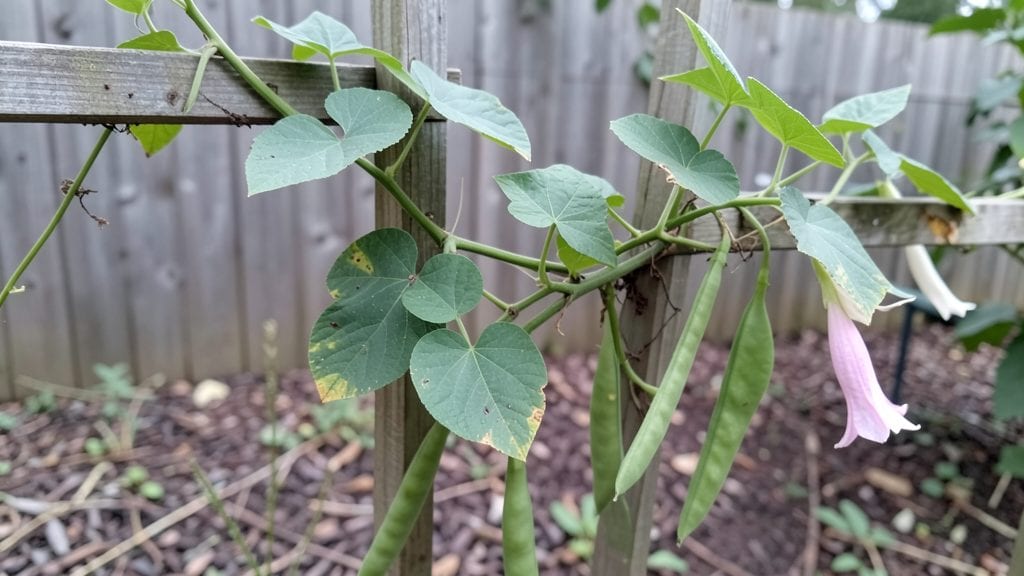
Transforming your runner beans into a thriving vertical garden is easier than you think. 🌱 I turned my tangled vines into a neat, productive "bean tree" last summer, and the difference in yield was shocking—my harvest tripled with just a few simple pruning tweaks.
The secret lies in training the plants upward early, then guiding their growth with strategic cuts throughout the season.
You’ll need a sturdy 6-foot tall trellis or pole system, well-draining soil rich in compost, and a sunny spot with at least 6 hours of direct light daily. Plant seeds 1 inch deep, 4-6 inches apart, and give them something to climb on by week 3.
The key is pruning: pinch off side shoots to encourage upward growth, then trim back leggy vines to focus energy on pods. This keeps the plant compact and productive.
By mid-summer, you’ll have a lush, 6-foot tall bean tree producing pods every 2-3 weeks. The leaves stay vibrant, the vines don’t sprawl, and you avoid the common problem of tangled, unproductive growth.
Plus, harvesting becomes a breeze—no more bending over or missing hidden pods in the foliage. The best part? This method works for both bush and pole varieties.
Works in containers too—just use a 5-gallon pot with a trellis. The same pruning rules apply, and you’ll still get that abundant, easy-to-harvest vertical garden. Ready to turn those vines into a harvest machine? Let’s get growing.
📚 In This Guide
- What you need
- Instructions
- Tips and common mistakes
- Wrapping up and next steps
What you need
- ● Pruning shears: Bypass-style (sharp, 6–8" blades) for clean cuts. Quantity: 1.
- ● Hand pruners: Bypass or anvil (for smaller branches). Quantity: 1.
- ● Disinfectant: 70% isopropyl alcohol or rubbing alcohol to sterilize tools. Quantity: Small bottle.
- ○ Gloves: Heavy-duty, cut-resistant (optional but recommended for thorns!).
- ● Garden twine or ties: 3–4mm diameter for supporting vines. Quantity: 1 roll.
- ● Organic mulch: Straw or wood chips (2–3 inches thick) to protect roots. Quantity: 1–2 bags.
- ● Loppers: For thicker branches (if your tree is mature).
- ● Pole saw: For high-reaching vines (extendable, 4–6 ft).
- ● Garden hose: To rinse tools and clean cuts.
- ● Label markers: Waterproof to tag pruned sections (if training for specific shapes).
- ● Sun hat & sunscreen: Because pruning sessions can get hot! 🌞
Step-by-Step pruning guide for your runner bean tree
Here's how to shape your runner bean tree for maximum strength and harvests.
✂️ Step 1: Identify the Main Stem and Primary Branches
Start by examining your runner bean tree's central main stem—this is your anchor. Runner beans grow indeterminately, meaning they climb indefinitely, so you'll need to guide them. Look for the three strongest primary branches emerging from the main stem. These will become your tree's main scaffold.
Use your fingers to gently trace each branch's path. The ideal branches are those growing at a 45-degree angle from the main stem. If a branch grows straight up or downward, it's weaker and should be removed. Mark these three branches with a small piece of twine or a pencil to avoid confusion later.
✂️ Step 2: Prune Back the Main Stem to Encourage Branching
Using clean, sharp pruning shears, cut the main stem back by one-third just above a leaf node (the point where leaves grow). This forces the plant to send out new side branches, creating a bushier structure. The cut should be at a 45-degree angle to prevent water from pooling on the wound.
Here's the thing—runner beans are vigorous, and they'll bounce back quickly. After pruning, watch for new growth within 7-10 days. If you see no new shoots after two weeks, your cut may have been too severe. Adjust in the next pruning session by cutting back less aggressively.
✂️ Step 3: Thin Out Weak or Crossing Branches
Now focus on the smaller branches. Remove any that are thinner than a pencil or growing inward toward the center of the tree. Crossing branches compete for nutrients and create weak points where diseases can enter. Cut these back to the main stem or a strong side branch.
Pay attention to the direction of growth. Branches growing directly upward should be pruned back to encourage outward growth, which improves air circulation and sunlight penetration. You'll know you're doing it right when the tree starts looking fuller and more balanced within a few weeks.
✂️ Step 4: Train the Tree to Your Support Structure
Runner beans need support, whether it's a trellis, stakes, or a strong central pole. Gently tie the main stem to your support using soft plant ties or strips of old fabric. Avoid wire or anything that can cut into the stem as the plant grows.
As new branches emerge, guide them along the support structure in a spiral pattern. This encourages even growth and prevents the tree from becoming top-heavy. Check ties every 2-3 weeks—they'll need adjusting as the plant thickens. If a branch grows too long before reaching the support, trim it back to a strong node.
✂️ Step 5: Maintain Through the Growing Season
Once your runner bean tree is established, prune regularly to keep it healthy. Remove any yellow or diseased leaves immediately to prevent the spread of problems. In early summer, trim back any branches that have produced flowers but no pods—this redirects energy to new growth.
Here's what I do: every 4-6 weeks, I step back and assess the tree's shape. If one side looks sparse, I lightly prune the opposite side to balance it out. By late summer, you'll see abundant pods forming along the branches. This is your reward for patient pruning—more flowers mean more beans!
Tips & tricks for perfect runner bean tree pruning
These game-changing tips will help you transform your runner bean tree into a productive powerhouse—without the guesswork.
Tool Prep: Before you start, sterilize your pruning shears with rubbing alcohol or a 10% bleach solution to prevent spreading disease. I learned this the hard way after my first pruning session led to a fungal infection. Use a clean, sharp blade to make clean cuts—dull tools crush stems and invite infections. For larger branches, consider using bypass pruners for cleaner cuts.
Timing Secret: The best time to prune is on a cool, cloudy morning when the plant's defenses are strongest. Avoid pruning during hot afternoons or rainy days, as this stresses the plant and makes it more vulnerable to pests and diseases. In Step 2, when you're cutting back the main stem by one-third, aim for early spring when new growth is just beginning—this gives your tree plenty of time to recover before summer's demands.
Visual Cues for Step 3: When thinning branches in Step 3, look for branches that are thinner than a pencil—they won't support much weight. Also watch for branches growing directly toward the center of the tree. These crossing branches compete for sunlight and nutrients, weakening your tree. A good rule of thumb is to remove any branch that's growing at less than a 30-degree angle from another branch—this opens up the tree for better air circulation.
Support Strategy: When training your tree to its support structure in Step 4, use soft plant ties made from old fabric strips or commercial horticultural tape. I've ruined stems using wire or zip ties that cut into the plant as it grows. Check these ties every 2-3 weeks and adjust as your runner bean thickens. The spiral pattern mentioned in the instructions works best when you start guiding branches when they're about 6 inches long—this prevents awkward growth patterns later.
Pro Tips for Runner Bean Tree
- These game-changing tips will help you transform your runner bean tree into a productive powerhouse—without the guesswork.
- Tool Prep: Before you start, sterilize your pruning shears with rubbing alcohol or a 10% bleach solution to prevent spreading disease.
- Timing Secret: The best time to prune is on a cool, cloudy morning when the plant's defenses are strongest.
Frequently asked questions
Got questions about growing and pruning your runner bean tree? You’re not alone! Here are answers to the most common queries to help you cultivate a thriving, productive plant with ease.
How tall can a runner bean tree grow if left unpruned?
A runner bean vine can climb 10–15 feet (or taller!) if left unpruned, but it’ll sprawl and produce fewer beans. Pruning regularly (every 4–6 weeks) keeps it manageable, boosts airflow, and maximizes harvests. Use a sturdy trellis or teepee to guide growth—just don’t let it get too wild!
When is the best time to prune runner beans for maximum yield?
Prune throughout the growing season, but focus on these key times:
- Early season: Pinch back the main stem when it reaches 12–18 inches to encourage bushier growth.
- During flowering: Trim any leggy or overcrowded vines to redirect energy to pod production.
- Post-harvest: Lightly prune to remove dead or diseased stems before the next flush of beans.
Can I prune runner beans too much? What are the signs?
Yes! Over-pruning stresses the plant. Watch for:
- Yellowing leaves (nutrient deficiency)
- Fewer flowers or pods
- Stunted growth
What should I do if my runner bean vine gets powdery mildew after pruning?
Powdery mildew thrives in humid, crowded conditions—so pruning helps, but you’ll need extra steps:
- Remove all infected leaves (burn or compost them away from the garden).
- Spray with a mix of 1 tsp baking soda + 1 quart water + a drop of dish soap weekly.
- Improve airflow by spacing plants 12–18 inches apart and pruning aggressively.
- Avoid overhead watering to keep leaves dry.
Are there dwarf or compact runner bean varieties that don’t need a trellis?
Most runner beans are vining, but a few bush-type varieties (like ‘Scarlet Emperor’ or ‘Polestar’) grow 3–5 feet tall and don’t require trellises. They’re great for containers or small gardens! However, they still benefit from light pruning to remove dead growth. Check seed packets for “bush runner” labels if space is limited.
Wrapping up and next steps
Growing a thriving runner bean tree is all about balancing patience, care, and strategic pruning—just like fine-tuning a garden masterpiece! 🌿 With the right tools, timing, and techniques, you’ll unlock a bountiful harvest that’s both rewarding and delicious.
Whether you’re a beginner or a seasoned gardener, every snip brings you closer to that dream harvest.
Ready to take the next step? Start small:
- Pick one branch to practice pruning this season.
- Keep a pruning journal to track growth and adjustments.
- Share your progress with fellow gardeners—inspiration grows together! 🌱