
Pests and Diseases
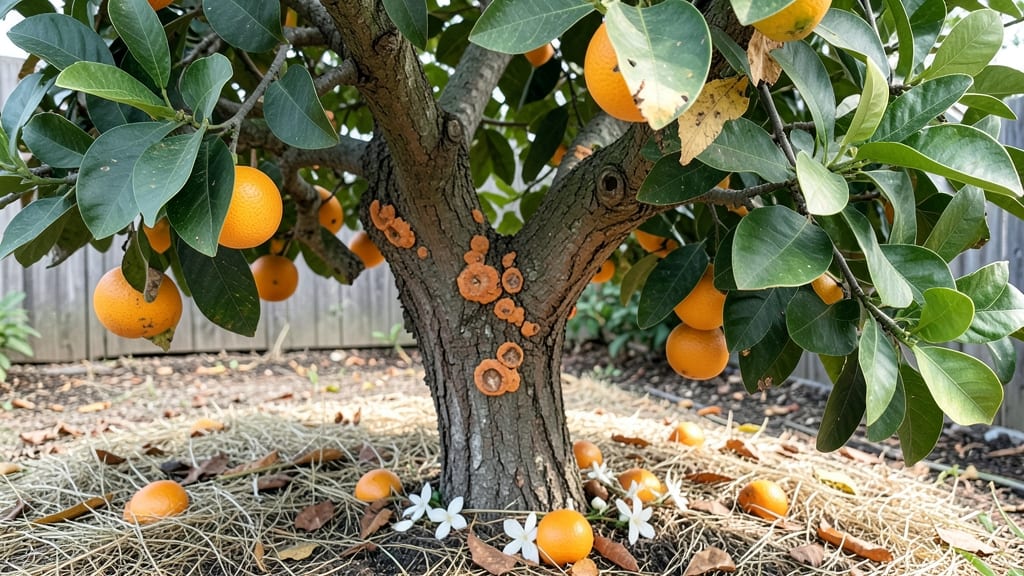
That round orange fungus on your tree isn't just unsightly—it's a warning sign your tree's health is under attack. 🌿 I've seen it spread from a small spot to a full trunk in just a few seasons, and the damage it causes is far worse than most gardeners realize.
The moment you spot those bright orange shelves growing from cracks or wounds, you need to act fast.
The fungus, often Ganoderma or similar shelf fungi, thrives in wet, decaying wood and weakens the tree from the inside out. It doesn't just rot the trunk—it blocks nutrients, leaving your tree vulnerable to storms and pests.
The good news? You can slow it down with the right tools and timing, but you'll need to work quickly before it spreads deeper.
By the time you finish this, you'll know exactly how to identify the fungus, when to prune infected wood, and which treatments actually work—no guesswork. We're talking copper-based fungicides, proper wound sealing, and even how to boost your tree's defenses naturally.
The goal isn't just removal; it's giving your tree a fighting chance.
This works for fruit trees, shade trees, and even young saplings—just adjust the approach based on size and severity. Let's get your tree back on track before that orange spreads any further.
Root Causes Of Tree Fungus Growth
When you spot a round orange fungus on your tree, it’s rarely a random event—it’s usually a sign of underlying issues. Understanding these causes helps you address the problem before it worsens.
Below, we break down the most common reasons why these fungal growths appear, along with the science behind them.
🌱 Excess Moisture And Poor Drainage
Fungi thrive in damp, humid environments, and trees are no exception.
When soil around a tree’s base stays consistently wet—whether from overwatering, poor drainage, or heavy rainfall—it creates the perfect breeding ground for fungal spores. Armillaria root rot and Heterobasidion annosum (a common cause of orange shelf fungi) are particularly drawn to waterlogged conditions.
Why does this happen?
- Compacted soil: Heavy clay or tightly packed soil prevents water from draining, keeping roots saturated.
- Overwatering: While trees need moisture, excess water suffocates roots, weakening the tree’s natural defenses.
- Lack of mulch management: Too much mulch (especially piled against the trunk) traps moisture, while too little leaves roots exposed to extreme temperature swings.
Actionable fix: Improve drainage by aerating soil, installing French drains, or amending clay soil with compost. Space mulch 3-4 inches away from the trunk and keep it 2-4 inches thick.
🌿 Weakened Tree Immunity
Just like humans, trees have immune systems. When a tree is stressed—due to nutrient deficiencies, physical damage, or pest infestations—its defenses weaken, making it vulnerable to fungal attacks. Orange fungi like Ganoderma (a shelf fungus) often target trees already struggling with:
- Deficiency in nitrogen, phosphorus, or potassium: These nutrients are critical for cell wall strength and disease resistance.
- Root damage: Construction, lawnmower injuries, or girdling roots (where roots circle the trunk) disrupt nutrient flow.
- Pest attacks: Bark beetles, borers, or sap-sucking insects create entry points for fungi.
Actionable fix: Conduct a soil test to check nutrient levels and fertilize as needed. Prune dead or damaged branches promptly and treat pest issues with neem oil or horticultural oil.
🌡️ Warm, Humid Climates
Fungal spores love warmth and humidity. Regions with high summer temperatures and frequent rain—like the Southeast U.S. or tropical zones—see more cases of orange shelf fungi. Even in drier climates, sudden heatwaves followed by heavy dew can trigger outbreaks.
Why does this happen?
- Spores germinate faster: Warmth accelerates fungal growth, while humidity keeps spores from drying out.
- Slow evaporation: In humid conditions, water lingers on bark and leaves longer, giving fungi more time to colonize.
Actionable fix: If you’re in a high-risk zone, prune trees in dry weather to minimize open wounds. Use fungicidal sprays (like copper-based treatments) during rainy seasons.
🪵 Physical Injuries Or Wounds
Any break in a tree’s bark—whether from storm damage, improper pruning, or animal scratches—creates an open door for fungal spores. Orange fungi often appear at:
- Pruning cuts that weren’t sealed with pruning paint or wound dressing.
- Branches snapped by hail, wind, or heavy fruit.
- Gashes from lawn equipment or DIY tools.
Actionable fix: Always use sterilized tools when pruning and make cuts at the branch collar (the swollen area where the branch meets the trunk). Seal large wounds with tree wound paint (though research shows this is controversial—consult a local arborist first).
🌳 Old Age Or Decaying Wood
Some fungi, like Ganoderma, are opportunistic—they target trees already in decline. As trees age, their bark becomes thinner, and their internal structure weakens, making them easier targets. Decay fungi (including orange shelf fungi) often appear on:
- Dead or dying branches.
- Trees with heart rot (internal decay).
- Stumps left after tree removal (a common site for Polyporus fungi).
Actionable fix: Remove severely decayed trees to prevent spore spread. For healthy trees, focus on improving overall tree health through proper watering, mulching, and fertilization.
How to Remove and Prevent Fungal Spread
Now that you’ve identified the round orange fungus on your tree—likely orange rust, powdery mildew, or a similar fungal infection—it’s time to act before it weakens your tree or spreads to others. The good news?
Most fungal issues are treatable with the right approach. Below, we break down cause-specific solutions, from quick fixes to long-term prevention, so you can restore your tree’s health without stress.
Orange rust is common on trees like hawthorn, crabapple, and raspberry, and it thrives in damp, humid conditions. Here’s how to tackle it:
🔥 Step 1: Prune Infected Branches Immediately
- 👨🍳 Remove infected leaves, stems, or branches—cut 6 inches below the visible orange spots to ensure you’re removing the entire infected area.
- 🔪 Sterilize pruners between cuts with rubbing alcohol or a 10% bleach solution to prevent spreading spores.
- 🗑️ Bag and dispose of pruned material in the trash (not compost)—fungal spores can survive in compost piles.
🌡️ Step 2: Apply Fungicidal Sprays
- 💡 Best options: Copper fungicide, neem oil, or sulfur-based sprays (follow label instructions for dilution).
- ⏰ Timing matters: Spray early morning or late evening when humidity is high (fungi love moisture!).
- 🎯 Repeat every 7–14 days until new growth appears free of orange spots.
✨ Prevention Tips for Future Seasons
- 🌧️ Improve airflow by thinning dense branches.
- 💧 Water at the base (avoid overhead sprinkling, which spreads spores).
- 📅 Early spring treatment: Apply a preventive fungicide before buds swell to stop spores from germinating.
Powdery mildew often starts as white but can develop orange or brown discoloration in severe cases. It’s less aggressive than rust but still harmful.
🍳 Step 1: Clean Up Debris
- 🗑️ Remove fallen leaves and fruit mummies (dried, infected plant material) from the ground.
- 🧹 Hose down leaves with water to disrupt fungal spores (do this in the early morning so leaves dry quickly).
👨🍳 Step 2: Use Organic or Chemical Fungicides
| Method | How to Apply | Frequency |
|---|---|---|
| Neem oil | Mix 1–2 tbsp per gallon of water + mild soap | Every 7–10 days until cured |
| Baking soda spray | 1 tbsp baking soda + 1 tsp soap + 1 gallon water | Weekly until symptoms fade |
| Sulfur spray | Follow label rates (avoid if temps >90°F) | Every 10–14 days |
💡 Pro Tips for Prevention
- 🌿 Choose resistant varieties (e.g., some apple or pear trees are less prone to mildew).
- 🌡️ Avoid overhead watering—use drip irrigation instead.
- 🌱 Mulch properly (2–3 inches of organic mulch) to reduce soil splashing onto leaves.
Some fungi cause round orange-brown spots with yellow halos. Here’s how to handle them:
🔪 Step 1: Sanitize the Tree
- 🧼 Wipe leaves with a mild soap solution (1 tsp dish soap + 1 quart water) to remove spores.
- 🌧️ Avoid watering during late afternoon—wet leaves overnight encourage fungal growth.
🍄 Step 2: Strengthen the Tree’s Defenses
- 💪 Fertilize lightly with a balanced, slow-release fertilizer (too much nitrogen weakens resistance).
- 🌿 Boost soil health with compost or mycorrhizal fungi to help roots fight infections.
🎯 Long-Term Prevention
- 🌳 Prune for sunlight—thin out branches to reduce humidity in the canopy.
- 📅 Monitor regularly—catch early signs before spores spread.
If the fungus: ✅ Covers more than 30% of the tree’s leaves ✅ Appears on multiple trees in your yard ✅ Persists despite treatment for 4+ weeks
A certified arborist can assess whether systemic fungicides or tree removal (in extreme cases) is necessary.
💡 Final Reminder: Fungal infections are opportunistic—they exploit weak trees. By pruning, improving airflow, and applying treatments at the first sign of trouble, you’ll give your tree the best shot at a full recovery. Stay vigilant, and your tree will thank you with lush, healthy growth!
Frequently asked questions
Is a round orange fungus on my tree always harmful?
Not all orange fungi are dangerous, but most are a red flag. Bright orange shelf fungi like Ganoderma or Polyporus signal decay and weaken the tree's structure. However, harmless varieties (like Trametes versicolor) may appear harmless but still indicate stress. Always remove suspicious growths to prevent spread.
Can I remove the fungus myself, or should I call an arborist?
You can handle small infections yourself with pruning and fungicides, but call an arborist if the fungus covers more than 30% of the trunk or appears on multiple trees. For large trees or severe cases, professional removal prevents spore spread and structural damage.
Will cutting off the infected wood stop the fungus from spreading?
Pruning removes visible growth, but spores may linger in the tree's vascular system. Sterilize tools between cuts and seal wounds with pruning paint. For deep infections, combine pruning with systemic fungicides (like copper-based treatments) to prevent regrowth.
How do I know if my tree is beyond saving?
Look for these warning signs: hollow trunk, oozing sap, or large dead branches. If the fungus has penetrated deep into the wood and the tree leans or cracks easily, removal may be safest. A professional can assess structural integrity before deciding.