Pruning
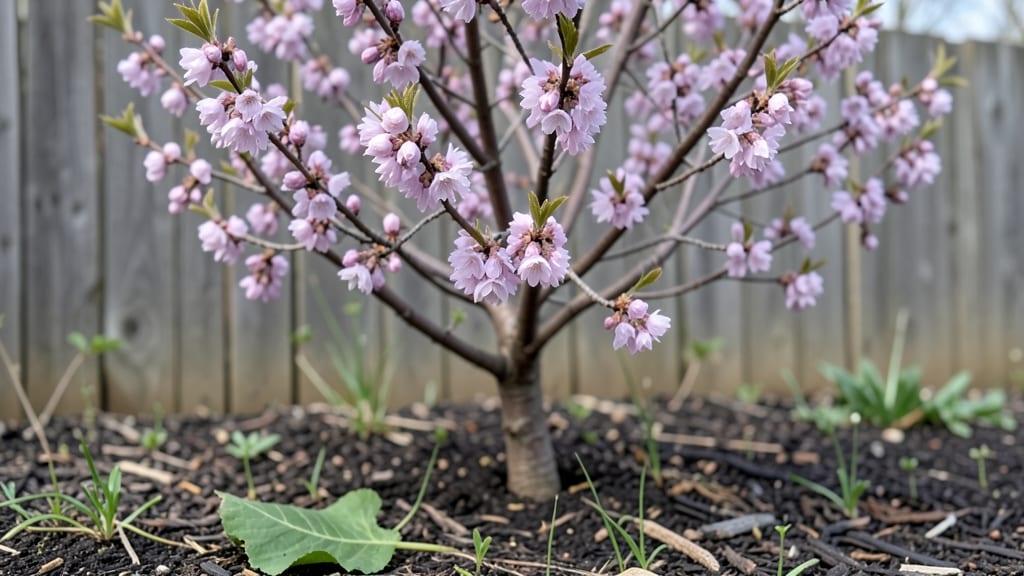
Mastering redbud tree identification begins with spotting its showstopping pink-purple flowers—those bold blooms steal the show before a single leaf even unfurls. 🌸 I’ve spent years watching these trees wake up in early April, their branches heavy with flowers that look like they’ve been dusted with cotton candy.
The heart-shaped leaves are another dead giveaway, but the real magic happens when you scratch the bark: it peels like paper, revealing a smooth, almost silvery underlayer.
Confusion often comes from mixing up Eastern and Western redbuds, but the Eastern version (Cercis canadensis) dominates the Midwest and East, while the Western (C. occidentalis) thrives in drier climates. Both have those signature blooms, but Western redbuds tend to be smaller with slightly darker flowers.
The key? Look at the leaf size—Eastern redbud leaves are 3-5 inches long, while Western ones stay under 2 inches. Planting them in full sun gives you the best show, though they tolerate partial shade once established.
Why does identification matter? A misidentified redbud could mean you’re giving it the wrong care—too much water, the wrong soil, or pruning at the wrong time. These trees are disease-resistant and low-maintenance once they’re happy, but they need well-draining soil and space to spread their graceful branches.
Once you spot one, you’ll notice them everywhere—they’re the springtime stars of woodlands and urban streets alike. Here’s how to tell them apart for good.
Fair warning: redbuds grow 12-20 feet tall and wide, so give them room. The blooms last only 2-3 weeks, but the foliage turns golden-yellow in fall, making them a year-round performer.
If you’ve ever wondered why your neighbor’s tree looks like it’s on fire in spring, now you’ll know exactly what it is—and how to grow one yourself.
📚 In This Guide
- What you need
- Instructions
- Tips and common mistakes
- Wrapping up and next steps
What you need
- ● Field guide or smartphone: A printed or digital redbud tree identification guide (apps like iNaturalist or LeafSnap work great!).
- ● Notebook & pen: For jotting down observations (bark texture, leaf shape, bloom color).
- ● Camera or phone: To capture close-ups of leaves, flowers, and bark for later comparison.
- ○ Magnifying glass (optional but helpful): For inspecting tiny details like leaf veins or flower structures.
- ● Gloves (nitrile or gardening gloves): One pair to protect your hands from thorns or rough bark.
- ● Measuring tape or ruler: To check leaf size (typically 2–5 inches long) or branch diameter.
- ● Pruning shears (small, sharp pair): Only if you’re also pruning for maintenance—never harm the tree while identifying!
- ● GPS or mapping app: To log locations for future reference (e.g., Google Maps or Gaia GPS).
- ● Portable UV light (blacklight): Some guides use UV to check for hidden leaf patterns (rare but fun!).
- ● Field bag or backpack: To organize tools, snacks, and water for longer outings.
- ● Basic botany knowledge: Familiarize yourself with terms like deciduous, opposite branching, and compound leaves (redbuds have simple leaves!).
- ● Timing: Visit in early spring (March–April) when flowers bloom, or fall for vibrant foliage.
- ● Location awareness: Redbuds thrive in USDA Zones 4–9; check your region’s native species.
- ● Safety first: Avoid private property without permission, and watch for Eastern redbud thorns!
How to identify a redbud tree in your landscape
Spring’s first bursts of color often belong to the redbud—here’s how to spot its iconic blooms and foliage.
🌿 Step 1: Look for Early Spring Blooms
The redbud (Cercis canadensis) is one of the first trees to flower, often before leaves appear. In late winter or early spring, scan your yard for clusters of pink to lavender blossoms that cover bare branches like confetti. These flowers grow directly from the trunk and limbs in dense, rounded clusters—unlike many trees that bloom on new growth.
Here’s the thing—these flowers are delicate and short-lived, lasting only 1-2 weeks. If you miss them, don’t worry; the tree’s heart-shaped leaves will give it away soon after. I always check trees in full sun first, as redbuds thrive in open, sunny spots but can tolerate partial shade.
🌱 Step 2: Examine the Leaves for Distinctive Shape
Once the flowers fade, the redbud’s heart-shaped leaves emerge, another dead giveaway. These leaves are 2-5 inches long, smooth-edged, and alternate along the branches. Unlike maple leaves, they’re simple (not lobed) and have a slightly pointed tip. Run your fingers along the leaf’s edge—it’s smooth, not serrated.
Young leaves start a vibrant green but darken as summer progresses. If you see a tree with these leaves and a bark that’s dark brown and scaly, you’re likely looking at a redbud. Older trees develop a more rugged, textured bark, but younger specimens have smoother stems.
☀️ Step 3: Check the Tree’s Size and Growth Habit
Redbuds are small to medium-sized, typically reaching 20-30 feet tall with a 25-35 foot spread. They grow in a rounded, multi-stemmed form, often with a slightly irregular shape. Unlike oaks or maples, redbuds don’t grow straight and tall—they spread wide, making them perfect for lawns or as specimen plants.
Look for multiple trunks emerging from the base, especially in older trees. This habit sets them apart from single-trunk trees like dogwoods. If you’re unsure, compare it to a nearby maple or oak—redbuds are the understated, bushy cousins of those towering giants.
✂️ Step 4: Verify with Seed Pods (Fall/Winter)
If you’re identifying a tree outside of spring, check for flat, brown seed pods that form after flowering. These pods are 2-4 inches long, flattened, and contain several seeds. They hang from the branches like tiny, dried leaves and persist through fall and winter, long after the foliage has dropped.
This is a great clue if you’re identifying a tree in late autumn or winter. Redbud pods are unique—they’re not fuzzy like cottonwoods or spiky like honey locusts. If you see these pods on a small, multi-stemmed tree, you’ve found your redbud.
🪴 Step 5: Confirm with Bark and Branch Details
The bark of a mature redbud is dark brown to gray, with a scaly or slightly furrowed texture. Younger branches are smoother and lighter in color. If you gently scratch the bark, you’ll notice it’s relatively thin compared to oak or hickory trees.
Redbud branches often have short, stubby twigs with a slightly zigzag pattern. This isn’t a dealbreaker, but it’s another subtle detail that helps confirm your ID. If you’re still unsure, snap a photo of the flowers, leaves, and bark together—comparing them side by side with online resources will seal the deal.
Tips & tricks for perfect redbud tree identification
These subtle details will help you confidently distinguish redbuds from other spring bloomers—no expert knowledge required.
Timing is Everything: The 1-2 week window for those pink lavender blossoms is your golden opportunity. I’ve missed redbuds before by waiting too long—set a calendar reminder for late winter to early spring, when most other trees are still dormant. Check trees in full sun first, as redbuds thrive there but can tolerate partial shade. If you spot blossoms on a bare branch, you’ve likely found your redbud before the leaves even appear.
Leaf Shape is Your Best Friend: Those heart-shaped leaves are the redbud’s signature, but here’s what nobody tells you—they’re not perfectly symmetrical. Look for leaves that are 2-5 inches long with that classic heart shape but slightly asymmetrical at the base. Run your fingers along the edge—it should feel smooth, not serrated like maple leaves. This texture difference is a game-changer when comparing with similar trees.
Seasonal Clues Don’t Lie: In fall and winter, redbuds reveal their secret weapon—those 2-4 inch flat seed pods. Unlike cottonwoods with their fuzzy pods or honey locusts with spiky ones, redbud pods are subtle but distinctive. They hang like dried leaves and persist through winter, making them perfect for identification when no other clues are visible. Look for these on small, multi-stemmed trees for a definitive match.
Bark and Branch Details: Mature redbud bark develops a dark brown to gray, scaly texture that’s thinner than oak or hickory. Younger branches have smoother bark, but those short, stubby twigs with zigzag patterns are a dead giveaway. If you’re still unsure, take photos of the flowers, leaves, and bark together—comparing them side by side with online resources will confirm your ID in seconds.
Pro Tips for Redbud Tree Identification
- These subtle details will help you confidently distinguish redbuds from other spring bloomers—no expert knowledge required.
- Timing is Everything: The 1-2 week window for those pink lavender blossoms is your golden opportunity.
- Leaf Shape is Your Best Friend: Those heart-shaped leaves are the redbud’s signature, but here’s what nobody tells you—they’re not perfectly symmetrical.
Frequently asked questions
Got questions about spotting and caring for redbud trees? You’re not alone! Here are answers to the most common queries about redbud tree identification—from blooming tips to troubleshooting—so you can confidently enjoy these springtime stars.
When do redbud trees bloom, and how long do the flowers last?
Redbud trees typically bloom in early spring, often before their leaves appear! The vibrant pink or purple flowers usually last about 2–3 weeks, creating a stunning show. Timing varies by climate—warmer regions may see blooms as early as February, while colder areas might wait until April.
How can I tell the difference between a redbud tree and a dogwood?
Here’s a quick comparison:
- Flowers: Redbuds have clusters of pearly pink/purple flowers along bare branches, while dogwoods have flat, white or pink bracts (like a single bloom).
- Leaves: Redbuds have heart-shaped leaves that appear after blooming; dogwoods have oval leaves that emerge with or before flowers.
- Size: Redbuds are smaller (15–30 ft tall), while dogwoods can reach 20–35 ft.
Can I grow a redbud tree from seed, or should I buy a sapling?
While you can grow redbuds from seed, it’s a slow process (germination takes 30–90 days) and results in unpredictable traits. For faster, guaranteed blooms, buy a nursery-grown sapling (1–3 years old). Look for Eastern redbud (Cercis canadensis) for classic pink flowers or Western redbud (Cercis occidentalis) for drought tolerance.
Why aren’t my redbud tree’s leaves turning green, or are they yellowing?
Yellowing or slow-to-green leaves often signal nutrient deficiencies (like nitrogen or iron) or pests (e.g., aphids, spider mites). Check the soil pH—redbuds prefer slightly acidic to neutral (6.0–7.0). For yellowing, try a balanced fertilizer in early spring. Inspect leaves for holes or webbing; hose off pests with water or use neem oil if needed.
Are redbud trees good for urban landscapes, and do they attract wildlife?
Redbuds thrive in small spaces (their compact size makes them ideal for yards or city gardens) and tolerate pollution and urban conditions better than many trees. They’re a pollinator magnet, attracting bees and butterflies, and their seeds feed birds like cardinals and finches. Just plant them where they’ll get full sun to partial shade.
Wrapping up and next steps
Identifying a redbud tree is all about celebrating spring’s vibrant arrival—from its stunning pink blooms to its heart-shaped leaves and distinctive bark. Whether you’re a gardening enthusiast or simply admiring nature, recognizing these key features will turn your walks into a treasure hunt of beauty. 🌸
Now that you’re equipped with the know-how, why not plant one in your yard? Redbuds are low-maintenance and add year-round charm. Check out our planting guide to get started and enjoy the rewards of nurturing this iconic tree!