
Trees
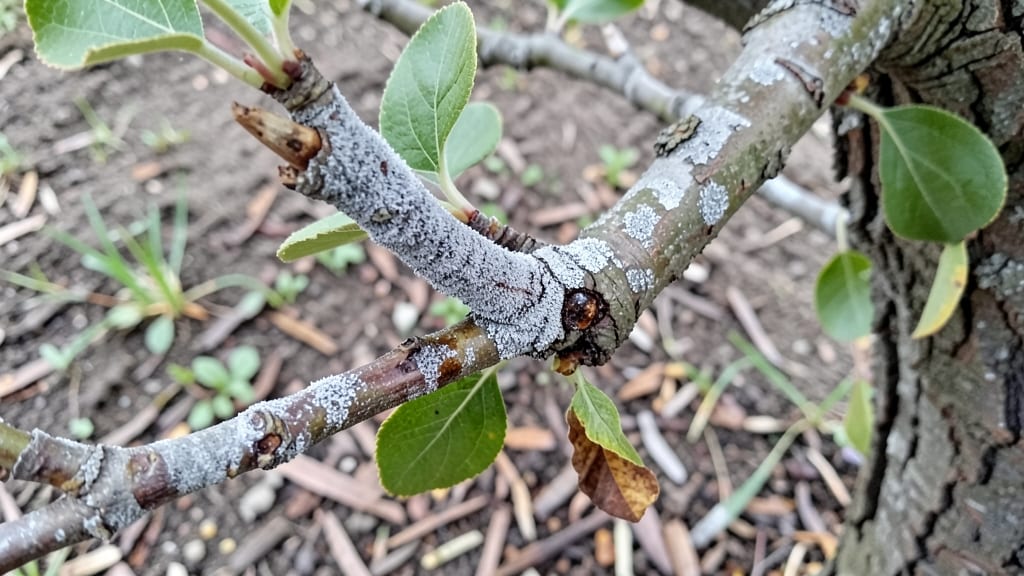
That unsightly plum tree fungus—whether the black spots of brown rot or the fuzzy white powder of mildew—can strip your fruit and leaves in weeks unless you act fast, and I’ve learned the key tricks to stop it before it spreads. they spread.
The key is catching these diseases early, when a few sprays or pruning cuts can save your harvest instead of watching the tree weaken over time.
Most fungal infections start with moisture—whether from rainy springs, overhead watering, or dense foliage that doesn’t dry quickly. Brown rot thrives in damp fruit clusters, while powdery mildew blankets leaves like flour dust, stunting growth.
I’ve seen anthracnose turn plum leaves into skeletal lace if left unchecked, but with the right timing and organic treatments, you can stop them in their tracks.
You’ll learn to identify each blight by its unique marks, then treat it with targeted sprays (like neem oil or copper fungicide) and pruning to improve airflow. The goal isn’t just to treat symptoms—it’s to build a tree that resists future outbreaks through better care.
By summer’s end, your plums will be healthy, your branches strong, and those unsightly spots a distant memory.
Works for both backyard trees and larger orchards, with adjustments for organic vs. conventional approaches. Let’s get your plum tree back to producing sweet, blemish-free fruit—starting with the first signs of trouble.
Root Causes Of Tree Fungus
Fungal infections in plum trees aren’t random—they thrive when specific conditions align. Understanding why these pathogens attack helps you prevent outbreaks before they start. Below, we break down the key factors that turn your healthy plum tree into a fungal buffet.
Fungi love moisture—it’s their lifeblood. When plum trees sit in soggy soil or get drenched by rain, fungal spores germinate like wildfire. Here’s why:
- Prolonged leaf wetness: Leaves stay damp for more than 12 hours (common after heavy rain or poor drainage), creating the perfect breeding ground for pathogens like Monilinia (brown rot) or Botryosphaeria.
- Poor air circulation: Dense foliage or tightly packed trees trap humidity, while wet bark softens, making it easier for spores to penetrate.
- Flooded roots: Waterlogged soil cuts off oxygen, weakening roots and leaving them vulnerable to Phytophthora or Armillaria (root rot).
Actionable fix: Improve drainage, space trees for airflow, and water at the base (not overhead) to keep foliage dry.
A stressed plum tree is an open invitation for fungi. When trees struggle, their defenses drop, and opportunistic pathogens move in. Common stress triggers include:
- Nutrient deficiencies: Low potassium or nitrogen weakens cell walls, making them easier targets for Cercospora (leaf spot).
- Physical damage: Pruning wounds, hail, or pest bites (like borers) create entry points for fungi to invade.
- Environmental shocks: Extreme heat, drought, or sudden temperature swings (e.g., late frosts) shock the tree’s immune system.
Actionable fix: Test soil annually, mulch to retain moisture, and prune in late winter (when wounds heal faster).
Fungal spores hitchhike on pruners, stakes, or even your boots. If you’ve worked on an infected tree and then move to a healthy one, you’re essentially planting a fungal seed bomb. Key spreaders:
- Infected pruning tools: Spores linger on blades, cutting into new tissue when you prune.
- Windborne spores: Mature fungal fruiting bodies (like Monilinia mummies) release spores that travel miles.
- Birds & insects: They spread spores between trees while feeding on fruit or sap.
Actionable fix: Sterilize tools with 70% rubbing alcohol between trees, remove fallen fruit (especially mummified plums), and avoid pruning during wet weather.
Fungi don’t just appear—they’re often the result of neglect. Skipping basic maintenance creates the perfect storm for outbreaks:
- No fungicide sprays: Proactive treatments (like copper-based sprays) disrupt spore germination before infection.
- Ignored debris: Leaves, twigs, or fruit left under trees harbor overwintering spores, ready to reinfect next season.
- Over-fertilizing with nitrogen: While nitrogen fuels growth, it can also promote lush foliage that traps moisture and attracts pests.
Actionable fix: Clean up debris in fall, apply a pre-bloom fungicide (like neem oil), and balance fertilizers with potassium-rich amendments.
By addressing these root causes—moisture, stress, spread, and neglect—you’ll starve fungal infections of their favorite conditions. Think of it as fungal denial of service: remove their resources, and they’ll move on to easier targets.
Quick fixes for tree blight issues
Fungal infections in plum trees can feel overwhelming, but with the right approach, you can restore your tree’s health and prevent future outbreaks. Below are practical, step-by-step solutions tailored to common causes of plum tree blight, from early detection to long-term care.
Let’s tackle this together—your tree’s revival starts now! 🌱💪
Cause: Monilinia fungus thrives in wet conditions, causing mummified fruit and leaf spots. Fix:
- 🔥 Remove Infected Fruit Immediately
- Pick up and destroy (don’t compost!) all mummified fruit, cankers, and fallen leaves. Place them in a sealed bag and toss them in the trash.
- Pro Tip: 💡 Use pruning shears dipped in 70% rubbing alcohol or a 10% bleach solution (1 part bleach to 9 parts water) to avoid cross-contamination.
- 🍳 Prune for Airflow
- Thin out dense branches to improve airflow—fungus loves humidity. Aim for 10–20% reduction in canopy density.
- Cut out dead or dying branches (they’re fungus hotspots) and sterilize tools between cuts.
- 👨🍳 Apply Fungicide Preventatively
- Spray copper fungicide (like Copper Sulfate) or a bacteria-based option (e.g., Serenade Garden with Bacillus subtilis) before bud break (late winter) and after harvest.
- Timing is Key: ⏰ Repeat every 10–14 days during wet seasons.
- 🌡️ Adjust Watering Habits
- Water deeply but infrequently—avoid overhead sprinkling. Use drip irrigation or soaker hoses to keep foliage dry.
- Water in the early morning so leaves dry by evening.
Cause: Gloeosporium or Elsinoë fungi cause dark, sunken lesions on leaves and fruit. Fix:
- 🔪 Prune and Rake Aggressively
- Remove all infected leaves, twigs, and fruit from the ground. Rake up debris 10+ feet around the tree to eliminate spores.
- Warning: ⚠️ Do not compost infected material—it can reinfect next year!
- 🥘 Strengthen the Tree’s Defense
- Fertilize in early spring with a balanced, slow-release fertilizer (e.g., 10-10-10) to boost vigor. Weak trees are fungus magnets.
- Add 2–3 inches of mulch (wood chips or straw) around the base, keeping it 6 inches away from the trunk.
- 🌧️ Protect During Rainy Seasons - Apply a protective fungicide (e.g., chlorothalonil or neem oil) before rain to create a barrier.
Reapply every 2–3 weeks during wet spells. - Budget Hack: 💰 Mix 1 tbsp baking soda + 1 tsp dish soap + 1 gallon water for a mild, organic spray (test on a small area first).
- 🌿 Choose Resistant Varieties
- If your tree is repeatedly hit, consider replacing it with a resistant cultivar like ‘Santa Rosa’ or ‘Larry Kelley’ plums, which tolerate anthracnose better.
Cause: Podosphaera or Sphaerotheca fungi create white, powdery coatings on leaves. Fix:
- 🌬️ Improve Air Circulation
- Thin out branches to reduce humidity—powdery mildew loves shaded, damp areas.
- Quick Fix: 💡 Install a small fan on a low setting near the tree (if possible) to keep air moving.
- 🍎 Spray with Natural Fungicides
- Neem oil (1–2% solution) or potassium bicarbonate (1 tbsp per gallon of water + a drop of soap) work well. Spray both sides of leaves thoroughly.
- Best Time: ⏰ Apply early morning or late evening to avoid burning leaves in sunlight.
- 🚫 Avoid Overhead Watering
- Switch to drip irrigation or water at the base of the tree. Wet leaves = fungus party.
- 🌱 Boost Tree Health Year-Round
- Deep-water once a week during dry spells to encourage strong root growth.
- Avoid heavy nitrogen fertilizers—they promote lush, mildew-loving foliage. Opt for balanced or phosphorus-rich fertilizers instead.
No one wants to play whack-a-mole with fungus! Here’s how to keep your plum tree blight-free for years: - 🌿 Sanitize Tools: Clean pruners with rubbing alcohol or bleach between trees. - 🗓️ Monitor Weather: Fungus thrives in 70–80°F temps with high humidity.
Plan fungicide sprays before rain. - 🌱 Plant Smart: Space trees 12–15 feet apart for airflow. Avoid planting under shade trees (they trap moisture). - 🍄 Test Soil pH: Aim for 6.0–7.0. Too acidic?
Add lime to deter some fungal pathogens. - 🐝 Support Beneficial Insects: Ladybugs and lacewings naturally control fungus-spreading pests. Plant marigolds or dill nearby to attract them.
Final Thought: 🎯 Consistency is key! Catching blight early and sticking to a seasonal care routine will keep your plum tree thriving—and producing delicious fruit for years.
Frequently asked questions about plum tree fungal issues
What’s the fastest way to tell if my plum tree has fungus?
Look for these red flags: dark spots on leaves (like brown rot), white powder (powdery mildew), or mummified fruit stuck to branches. Check undersides of leaves too—fungus often starts there. Early signs include yellowing leaves or sticky residue (honeydew from pests that spread fungus).
Can I save my tree if it’s already got brown rot?
Yes, but act fast! Remove all infected fruit and cankers immediately (don’t compost them!). Prune for airflow and apply copper fungicide every 10-14 days during wet weather. For severe cases, repeat treatments through harvest season. Prevention next year is key—clean up debris thoroughly in fall.
Is baking soda really effective against plum tree fungus?
A homemade baking soda spray (1 tbsp baking soda + 1 tsp dish soap + 1 gallon water) can help mild cases like powdery mildew, but it’s not a standalone cure. For serious infections, use it as a supplemental spray alongside copper or neem oil. Test on a small leaf area first—some trees are sensitive. Best used preventatively during humid weather.
Why does my plum tree keep getting fungus even after treatment?
Common reasons: spores survived in old debris, poor airflow (dense branches), or stressed trees (nutrient deficiencies). Check your pruning habits—sterilize tools between cuts! Also verify your fungicide timing: most need pre-bloom and post-harvest applications. Wet seasons demand more frequent sprays (every 2-3 weeks).
Are there plum tree varieties that naturally resist fungus?
Yes! Consider ‘Santa Rosa’ or ‘Larry Kelley’ plums—they tolerate anthracnose and brown rot better than many varieties. Japanese plums (like ‘Methley’) also show good resistance. When planting new trees, choose disease-resistant cultivars and space them properly (12-15 feet apart) for airflow.