Trees
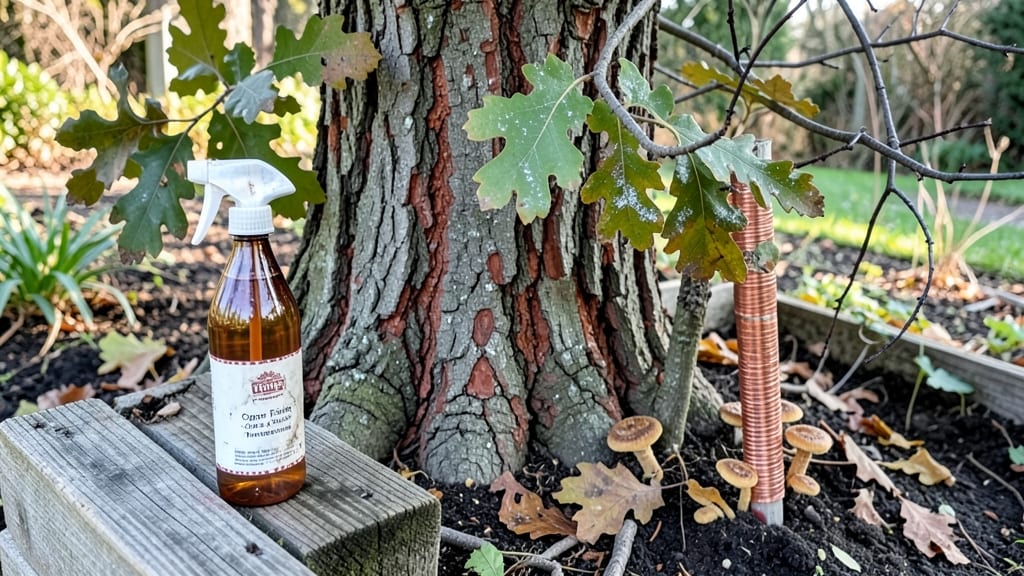
Fungal tree treatment isn’t just about saving a dying tree—it’s about catching the problem early before it turns your backyard giant into a hollow shell. 🌳 I’ve seen powdery mildew turn oak leaves to dust and root rot turn a healthy maple into a weakling in just a few seasons.
The good news? Most fungal issues respond to quick action, whether you’re using copper sprays, pruning infected limbs, or boosting the tree’s natural defenses.
The first step is identification—is it a white powder on leaves (powdery mildew), sunken cankers on the trunk (canker disease), or mushrooms sprouting at the base (root rot)? Each has a different fix, but they all start with the same rule: don’t wait.
I’ve treated trees where a single copper fungicide spray in early spring stopped mildew before it spread, and pruned out infected branches before canker could spread deeper. The tools you’ll need?
Basic pruners, a hose with a nozzle, and either organic options like neem oil or chemical treatments like systemic fungicides.
You’ll see results fast—within weeks, new growth will push out stronger, and the tree’s color will deepen from dull to vibrant. The key is consistency: reapply treatments as needed, keep the area around the tree clear of debris, and water at the base (not overhead) to prevent spreading spores.
For stubborn cases like root rot, you might need to call in a professional, but for most fungal issues, you’re holding the cure in your hands.
This works for fruit trees, shade trees, and even young saplings—just adjust the treatment based on the tree’s size and the fungus’s aggressiveness. The goal isn’t just to stop the rot; it’s to give your tree a fighting chance to thrive again. Let’s get started on the fix.
Root Causes of Tree Fungal Issues
Fungal infections in trees aren’t random—they thrive when specific conditions align, often tied to environmental stress, poor tree health, or human activity. Understanding these triggers is the first step in prevention and treatment. Below, we break down the key reasons fungi attack trees, from soil conditions to seasonal shifts.
Trees rely on a robust immune system to fend off pathogens, but when their defenses weaken, fungi exploit the opportunity. Common culprits include:
- Nutrient Deficiencies: Trees lacking essential nutrients (like nitrogen, potassium, or magnesium) produce weak sap and thin bark, making them vulnerable. Example: A nitrogen-deficient oak may struggle to heal wounds, inviting Armillaria root rot.
- Pest Damage: Insects like bark beetles or borers create entry points for fungi. Example: Ophiostoma fungus hitches a ride with beetles, causing Dutch elm disease.
- Physical Stress: Construction, compacted soil, or root damage disrupt a tree’s ability to transport water and nutrients, leaving it susceptible. Pro Tip: Mulch properly to protect roots and improve soil aeration!
Fungi are opportunistic—when moisture, warmth, and organic matter combine, they multiply rapidly. Key environmental factors include:
| Factor | How It Helps Fungi | Prevention Tip |
|---|---|---|
| High Humidity | Spore germination thrives in damp air (e.g., Phytophthora spreads faster in soggy conditions). | Prune for airflow; avoid overwatering. |
| Poor Drainage | Waterlogged soil (e.g., after heavy rain) creates anaerobic zones where root rot fungi like Pythium flourish. | Amend soil with compost or install drainage systems. |
| Decaying Wood | Dead branches or stumps provide food and shelter for fungi like Heterobasidion (cause of annosum root rot). | Remove dead wood promptly; sterilize tools between cuts. |
Fungal activity peaks during specific times of year, often linked to tree physiology and weather patterns:
- Spring: Cool, wet conditions (e.g., after winter) activate leaf spot fungi (like Anthracnose) as trees flush new growth.
- Summer: Heat stress + drought weaken trees, making them prone to vascular wilts (e.g., Verticillium in maples).
- Fall: Leaf litter and falling temperatures create a moist, nutrient-rich environment for Armillaria and Honey fungus.
- Winter: Cold snaps can kill fungal spores, but thawing periods revive them—especially in evergreen trees.
Actionable Insight: Monitor trees post-seasonal shifts (e.g., after spring rains) for early signs like discolored leaves or oozing bark.
Even well-intentioned actions can introduce or worsen fungal infections:
- Improper Pruning: Cuts too close to the trunk or jagged edges create wounds where fungi enter. Fix: Use sharp tools and make clean, angled cuts.
- Soil Compaction: Heavy foot traffic or machinery (e.g., lawnmowers) crushes roots, reducing oxygen and inviting root rot.
- Contaminated Tools: Pruners or saws carrying fungal spores from infected trees can spread disease. Pro Tip: Sanitize tools with 70% isopropyl alcohol between uses!
- Over-Fertilization: Excess nitrogen promotes lush growth but weakens structural defenses, making trees more attractive to pathogens.
Quick Fixes for Tree Fungal Woes
Fungal infections in trees can feel like a losing battle—until you know the right moves. The good news? Most issues respond well to targeted action if you catch them early. Below, we map common fungal causes to practical, step-by-step fixes, plus prevention tricks to keep your trees thriving.
Think of this as your DIY fungal treatment toolkit—no green thumb required!
Cause: Phytophthora or Armillaria fungi thrive in waterlogged soil, suffocating roots. Fix:
- 🚰 Drain the Damage
- Improve soil drainage by amending with sand, compost, or gravel (mix 20% organic matter into the top 12 inches of soil).
- For container trees, ensure pots have drainage holes and elevate them slightly.
- 🌱 Prune Dead Roots
- Use sterilized pruners to trim blackened, mushy roots (healthy roots are firm and white).
- Pro Tip: 💡 Disinfect tools with 70% isopropyl alcohol between cuts to avoid spreading spores.
- 🛡️ Fungal Barrier
- Apply copper fungicide (like Copper Sulfate) to soil around the base—reapply every 4–6 weeks.
- Prevention: Install French drains or raised beds if your yard floods easily.
Cause: Anthracnose, powdery mildew, or canker fungi love damp leaves and weak branches. Fix:
- 🧹 Clean Up Debris
- Rake and remove fallen leaves (burn or bag them—do not compost infected material).
- Prune infected branches 6–12 inches below the lesion (fungi hide in cracks!).
- 💦 Adjust Watering Habits
- Water early in the day (before 10 AM) to let foliage dry quickly.
- Avoid overhead sprinklers—use soaker hoses or drip irrigation instead.
- 🛡️ Spray Smart
- Neem oil (1 tsp per quart of water) or baking soda spray (1 tbsp baking soda + 1 tsp soap per gallon) can halt mildew.
- For severe cases, use systemic fungicides like Propiconazole (follow label rates).
Cause: Nectria or Valsa fungi create sunken, oozing wounds on bark. Fix:
- 🔪 Prune Like a Pro
- Cut 4–6 inches below the canker (fungi spread upward!) and sterilize tools between trees.
- Shape branches to improve airflow—crowded canopies trap moisture.
- 🛡️ Seal the Wound
- Apply pruning sealant (like Tanglefoot Tree Wound Pruning Seal) to large cuts (over 2 inches).
- Skip sealant for small cuts—trees heal better with open air!
- 🌿 Boost Tree Health
- Fertilize with low-nitrogen, high-phosphorus (like 5-10-10) to strengthen bark.
- Prevention: Mulch 3–4 inches deep (keep it 6 inches away from the trunk) to protect roots.
Cause: Polypore or conks (shelf fungi) signal decay—often too late to save the tree, but you can stop it from spreading. Fix:
- 🪓 Remove the Stump
- Grind or dig out the stump completely (fungi spread via underground roots).
- Pro Tip: 🔥 If grinding isn’t an option, drill holes and fill with copper fungicide to kill mycelium.
- 🚫 Monitor Nearby Trees
- Check surrounding trees for new cankers—stump fungi can jump to roots.
- Prevention: Plant resistant species (like oaks or maples) if fungi are rampant in your area.
No tree should suffer from fungal neglect!
Use this quick checklist to keep infections at bay: - ✅ Airflow: Thin dense branches to reduce humidity. - ✅ Mulch Right: Keep mulch 3–4 inches deep but 6+ inches from the trunk. - ✅ Water Wisely: Deep and infrequent (1–1.5 inches per week) > light daily sprinkles. - ✅ Inspect Regularly: Check undersides of leaves, bark crevices, and base of the trunk monthly. - ✅ Sterilize Tools: Clean pruners with rubbing alcohol after each use.
🎯 Remember: Early action is your best defense. Most fungal issues are manageable—but the longer you wait, the harder (and costlier) the fix. Grab your gloves, follow the steps, and give your trees the fighting chance they deserve!
Frequently asked questions
How do I know if my tree has a fungal infection instead of just stress?
Look for specific symptoms like powdery white coatings (mildew), dark spots with yellow halos (leaf spots), or oozing cankers on bark. Fungal infections often appear on leaves first, while stress typically shows as uniform browning or wilting. Check the undersides of leaves and bark crevices—fungi love damp, hidden spots.
Can I use household items like vinegar or baking soda to treat fungal issues?
Yes, but with limitations. A baking soda spray (1 tbsp baking soda + 1 tsp soap per gallon of water) works well for surface fungi like powdery mildew. Vinegar (1:1 ratio with water) can help too, but it’s less effective on established infections. For deep-root issues, use these as preventative measures—not cures.
When should I call a professional arborist instead of DIY treatment?
If you see mushrooms growing at the tree’s base, large cankers oozing dark liquid, or if the tree is already 50% defoliated, it’s time to call an expert. Root rot or advanced decay often require soil injections or specialized tools. Professionals can also assess structural risks if the tree is unsafe to work on yourself.
How often should I reapply fungicide treatments?
Most fungicides need reapplication every 4–6 weeks during active growing seasons (spring/fall). Follow label instructions—some systemic treatments last longer, while others (like copper sprays) need frequent touch-ups. Always treat before rain to avoid washing it off.
Will pruning alone stop a fungal infection?
Pruning helps remove infected areas, but it’s not a standalone cure. Always combine it with fungicides or organic treatments. Cut 6–12 inches below visible lesions (fungi hide in bark cracks) and sterilize tools between cuts. For severe cases, pruning may only buy time—you’ll still need chemical or biological controls.