Pests and Diseases
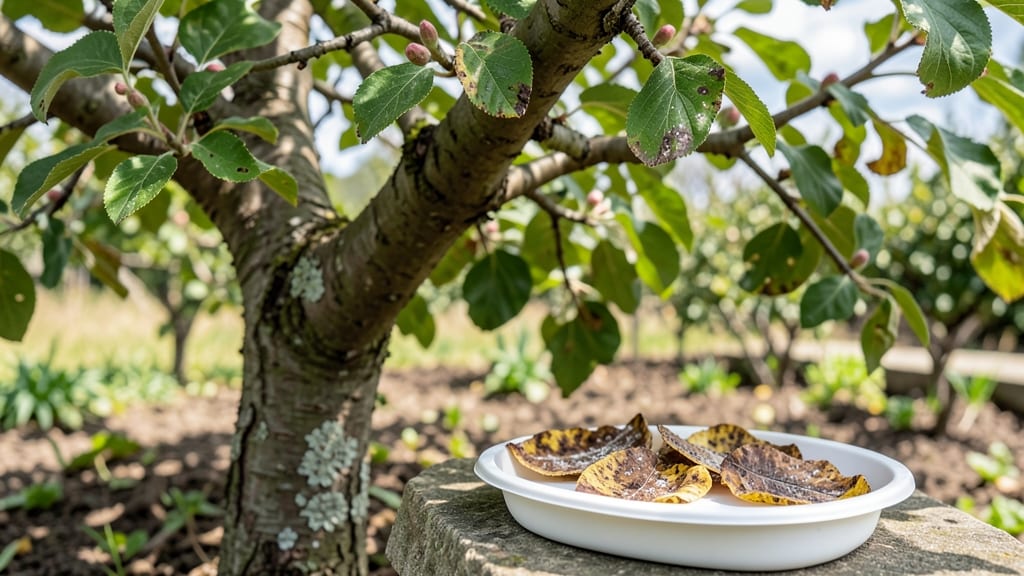
Plum tree diseases like brown rot and silver leaf can turn your fruit harvest into a sad, shriveled mess if you don't catch them early. 🌿 I've seen healthy-looking trees go from lush canopies to skeletal branches in just one season, and the key to saving them is knowing what to look for before it's too late.
The worst offenders—brown rot and powdery mildew—love humid summers and crowded orchards. Brown rot starts with tiny black spots on fruit that ooze goo when it rains, while silver leaf shows up as silvery leaves that crinkle like aluminum foil.
The good news? Both respond to pruning, fungicides, and better airflow between branches.
You'll stop the spread by removing infected fruit and branches in late winter, applying copper spray before blooms open, and thinning trees so sunlight reaches the center. Within a season, your plum tree can go from struggling to producing sweet, disease-free fruit again.
Works for both backyard trees and small orchards, and the same principles apply to other stone fruits like cherries and peaches. Let's get those trees healthy again—before next year's harvest is at risk.
Root Causes of Plum Tree Ailments
Plum trees, like all fruit-bearing trees, are vulnerable to diseases that can weaken their structure, reduce yields, and even kill them if left unchecked. Understanding the why behind these issues is the first step to prevention and treatment.
Below, we break down the key factors that lead to common plum tree diseases—from fungal infections to environmental stressors—and explain how they create the perfect storm for trouble.
Fungal diseases are the #1 culprit behind plum tree decline, thriving in warm, moist conditions. These microscopic invaders latch onto weak spots—like damaged bark, old pruning wounds, or overcrowded foliage—and multiply rapidly. Here’s how they gain a foothold:
- Spores Spread Easily 🌬️ Fungi release lightweight spores that hitch rides on wind, rain, or even garden tools.
A single infected leaf can release thousands of spores, contaminating nearby trees. Example: Monilinia (the cause of brown rot) overwinters in mummified fruit, then bursts into action when spring blooms appear.
- Moisture Loves Fungi 💧 Prolonged dampness—whether from heavy dew, poor drainage, or overhead watering—creates the ideal breeding ground. Fungal hyphae (thread-like roots) grow aggressively in wet conditions, penetrating tissue within 24–48 hours.
- Weak Trees Are Targets 🛡️ Stressed trees (from drought, nutrient deficiency, or poor pruning) have lower defenses. Fungi exploit this by breaking down cell walls, clogging vascular systems, or producing toxins that stunt growth.
💡 Pro Tip: Prune in dry weather to minimize spore spread, and avoid watering foliage—stick to deep root watering at the base.
Plum trees aren’t just fighting fungi—they’re battling environmental conditions that make them susceptible. These factors don’t cause diseases directly but lower resistance, making trees prime targets.
- Extreme Temperatures ❄️☀️
- Cold snaps can damage bark, creating entry points for fungi like Botryosphaeria (which causes dieback).
- Heatwaves stress trees, reducing photosynthesis and weakening their immune response. Result? Trees become more vulnerable to bacterial canker or powdery mildew.
- Poor Air Circulation 🌪️ Dense foliage or overcrowded orchards trap humidity, slowing evaporation and promoting fungal growth. Example: Plum pocket (caused by Taphrina pruni) thrives in tight clusters where air doesn’t flow.
- Soil Issues 🌱
- Compacted or waterlogged soil restricts root growth, starving the tree of nutrients.
- High pH (alkaline soil) locks out essential minerals like iron and manganese, leading to chlorosis—a condition that makes trees more prone to fungal infections.
✨ Actionable Fix: Mulch with compost to improve soil aeration and drainage, and space trees 12–15 feet apart for airflow.
Some diseases don’t act alone—they hitch a ride with insects or other pests that damage the tree first. Here’s how:
- Boring Insects (e.g., Plum Curculio, Bark Beetles) 🪲 These pests create wounds while feeding, giving fungi like Eutypa (which causes Eutypa dieback) a direct route into the tree’s vascular system.
- Sap-Sucking Insects (e.g., Aphids, Scale) 🐜 Their sticky honeydew attracts sooty mold fungi, which coat leaves and block sunlight. Result? Weakened photosynthesis and stressed trees.
- Birds and Mammals 🐦🐿️ Animals spreading spores (e.g., birds eating infected fruit and defecating near trees) or physically damaging bark can introduce pathogens like Silver Leaf Fungus (Chondrostereum purpureum).
🎯 Prevention Tip: Use row covers during bloom to deter pests, and apply insecticidal soap early in the season to reduce infestations.
Even well-intentioned gardening habits can accidentally invite disease. Common mistakes include:
- Overhead Irrigation 💦 Watering from above splashes spores onto leaves and fruit, accelerating infections like black knot (Apiosporina morbosa).
- Improper Pruning ✂️
- Cutting too late in the season leaves wounds exposed to fungi.
- Using dull tools crushes bark, creating entry points for pathogens.
- Ignoring Debris 🗑️ Leaving fallen leaves, mummified fruit, or infected branches on the ground allows fungi to overwinter and rebound the next season.
🔥 Quick Fix: Sanitize pruners with rubbing alcohol between cuts, and remove all debris from the orchard floor by fall.
Plum trees need a balanced ecosystem to fight disease. Disruptions—like over-fertilizing or pesticide misuse—throw their defenses into chaos.
- Nitrogen Overload 💥 Too much nitrogen promotes lush, weak growth with thin cell walls—easy pickings for fungi. Sign? Excessive leaf growth with small, sparse fruit.
- Pesticide Resistance 🛡️ Repeated use of fungicides can select for resistant strains of pathogens (e.g., powdery mildew). Solution: Rotate fungicides and use copper-based sprays as a preventive.
- Water Stress 🚰 Both drought and overwatering disrupt the tree’s ability to transport nutrients. Result? Stunted growth and reduced disease resistance.
🌱 Balancing Act: Test soil annually and adjust fertilizers based on pH and nutrient levels. Aim for a slow-release, balanced formula (e.g., 10-10-10 NPK).
Fixing Fungal Blights Fast
Plum trees are a garden’s pride, but fungal blights can turn their leaves into a sad, spotted mess. The good news? Most issues are treatable—if you act quickly and target the root cause.
Below, we break down the most effective fixes for common fungal diseases, along with preventive steps to keep your tree thriving. Let’s get your plum tree back to its healthy, fruit-bearing glory!
Cause: Monilinia fungus thrives in wet conditions, infecting blossoms, fruit, and branches.
How to Fix It: 🔥 Prune Infected Areas – Cut out dead blossoms, mummified fruit, and infected branches (at least 6 inches below the damage) using sterilized pruners (wipe with rubbing alcohol between cuts). Dispose of debris in the trash—do not compost!
🍳 Apply Fungicide – Spray copper fungicide (like copper sulfate) or a bacteria-based fungicide (e.g., Serenade or BioCure) before buds swell in early spring. Reapply after rain or every 7–10 days if wet conditions persist.
👨🍳 Boost Tree Health – Thin fruit to improve airflow (overcrowded fruit traps moisture). Water at the base (not overhead) to keep leaves dry.
🌡️ Prevention Tip: Clean up fallen fruit in autumn—this breaks the fungus’s life cycle!
Cause: Gloeosporium fungus causes dark, sunken spots on leaves, twigs, and fruit, especially in humid, rainy seasons.
How to Fix It: 🔪 Remove Severely Damaged Leaves – Rake up and destroy fallen leaves (don’t leave them under the tree).
⏰ Early-Spring Spray Schedule – Apply a fungicide with chlorothalonil (e.g., Daconil) before buds open, then again every 2–3 weeks during wet periods.
💡 Pro Tip: Mulch properly—keep mulch 2–3 inches away from the trunk to prevent moisture buildup.
Cause: Podosphaera fungus creates a white, powdery coating on leaves, weakening the tree.
How to Fix It: 🥘 Neem Oil or Baking Soda Spray – Mix 1 tbsp baking soda + 1 tsp dish soap + 1 gallon water and spray both sides of leaves (repeat weekly). For severe cases, use sulfur-based fungicide (follow label instructions).
🌿 Improve Airflow – Thin out dense branches and avoid overwatering. Water early in the morning so leaves dry quickly.
✨ Prevention Tip: Plant mildew-resistant varieties like ‘Santa Rosa’ or ‘Methley’ plums if your area is prone to this issue.
Cause: Xanthomonas bacteria create water-soaked, yellow-brown spots that spread rapidly.
How to Fix It: 🔪 Prune & Sterilize – Cut out infected leaves immediately and sterilize tools between cuts. Do not compost infected plant material.
💪 Copper-Based Bactericide – Spray copper hydroxide (e.g., Kocide) every 7–14 days during wet weather.
🎯 Prevention Tip: Avoid overhead watering—use drip irrigation instead.
To keep fungal diseases at bay, follow this year-round routine:
- Clean up – Remove all fallen fruit, leaves, and debris in autumn.
- Prune properly – Thin out branches for airflow; sterilize tools between cuts.
- Water wisely – Deep water at the base, not overhead. Water early to allow drying.
- Monitor weather – Fungicides work best when applied before rain (check forecasts!).
- Choose resistant varieties – Some plums (like ‘Stanley’ or ‘Larry Ann’) are less prone to blights.
Final Thought: Fungal diseases are manageable—but speed is key! The sooner you prune, spray, and prevent, the healthier your plum tree will stay. Your tree’s future fruit depends on action today! 🚀🍑
Frequently asked questions
What are the first signs my plum tree has brown rot?
Look for tiny black spots on blossoms or fruit that ooze a pinkish goo when wet. Leaves may develop brown, dead patches as the disease spreads. The key is catching it before fruit matures—once the fungus sets in, it’s harder to control.
Can I save a plum tree with silver leaf disease?
Silver leaf (Chondrostereum purpureum) is often fatal, but you can slow it down. Prune all infected branches (they’ll have a silvery sheen) and sterilize tools. Apply copper fungicide to wounds, but expect the tree to decline over 1-2 years. For young trees, consider replacing it—this disease spreads through wounds and is hard to eradicate.
How often should I spray fungicide on my plum tree?
Start with a pre-bloom spray (copper or sulfur-based) in early spring, then reapply every 7-14 days during rainy seasons. Stop sprays 4-6 weeks before harvest to avoid residue. For organic options, neem oil or baking soda sprays work but require weekly applications during outbreaks.
Why does my plum tree keep getting powdery mildew even after treatment?
Mildew thrives in shady, humid conditions and poor airflow. Check for overcrowded branches or nearby structures blocking sunlight. Thin the canopy and water at the base in the morning. If the issue persists, switch to a sulfur-based fungicide (rotate products to prevent resistance).
Is it safe to eat fruit from a diseased plum tree?
Only if the disease is mild and superficial (like minor mildew on outer skin). Discard fruit with black spots, oozing lesions, or silvery leaves—these indicate toxic fungal growth. When in doubt, remove and destroy infected fruit immediately to prevent spread.