
Trees
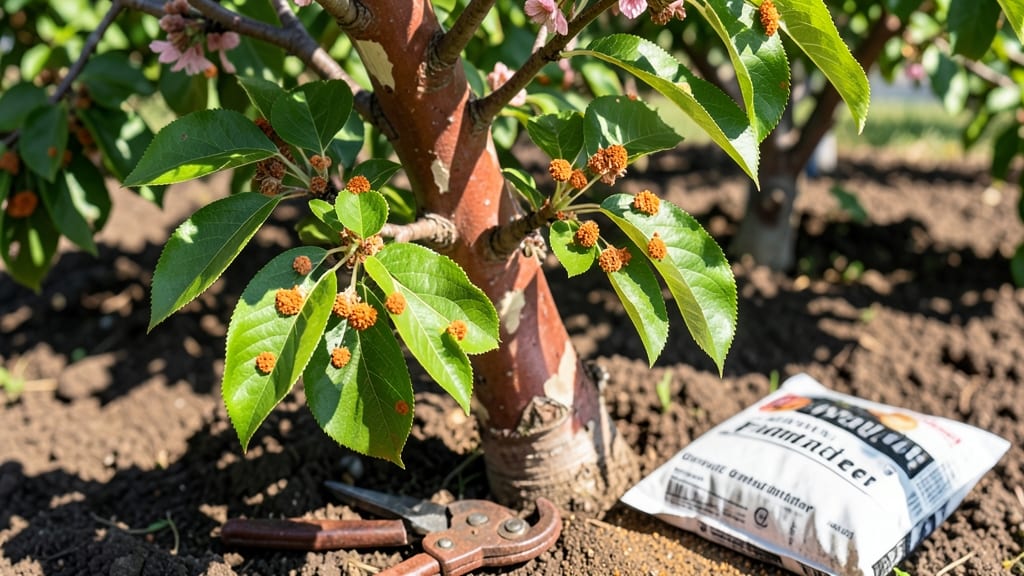
Peach tree rust turns your fruit tree into a fungal battleground if you don’t act fast. 🌿 I’ve seen this orange pustule nightmare spread across leaves in just two weeks, and the key to stopping it is catching it early with the right mix of pruning, fungicides, and preventative care.
The moment you spot those telltale yellow spots with rust-colored spores, your tree’s health is already at risk—but you can still save it.
The problem starts when spores splash onto leaves from infected plants or last year’s fallen debris. Warm, wet springs create the perfect storm, and once established, the fungus weakens your tree’s ability to photosynthesize.
That’s why I always check my peach trees after heavy rain—removing infected leaves immediately stops the spread before it gets out of control. The worst part? Heavy infestations can reduce fruit quality and even kill young trees if ignored.
You’ll get your tree back on track with a three-step cleanup: prune out infected branches, apply a copper-based fungicide at the first sign of spores, and mulch to keep the soil dry.
Resistant varieties like ‘Redhaven’ or ‘Elberta’ can also save you future headaches. Within a season, you’ll see fresh green leaves replacing the rusted mess, and your tree will rebound stronger than ever.
This works for both backyard peach trees and commercial orchards—just adjust the fungicide strength and pruning scale. The key is consistency: check your trees weekly during spring rains, and you’ll keep rust from becoming a recurring nightmare. Let’s get that tree healthy again.
Root Causes Of Fungal Spread
Peach tree rust—caused by the fungus Tranzschelia discolor—doesn’t just appear out of nowhere. Understanding its triggers helps you tackle it before it takes hold. Here’s why this stubborn pathogen thrives in your orchard or backyard.
Fungal spores like Tranzschelia discolor need moisture to germinate and spread. When peach trees sit in damp soil or get drenched by rain, their leaves stay wet for prolonged periods—perfect breeding grounds for rust. Even morning dew can be enough if it lingers.
Why it matters:
- Spores germinate in 4–6 hours of leaf wetness, so frequent light rains or poor drainage create ideal conditions.
- Overhead irrigation (like sprinklers) worsens the problem by keeping foliage damp longer than nature would.
- Shady or densely planted areas trap humidity, accelerating rust development.
Actionable fix: Improve drainage, space trees for airflow, and water at the base (not overhead) in early morning so leaves dry by noon.
Peach trees packed too closely together or grown in tight rows create stagnant air. Rust spores love this environment because they can’t dry out quickly. Without airflow, infected leaves stay moist, and spores spread uncontrollably.
Why it matters:
- Trees in crowded orchards or against fences/walls suffer 50% more rust incidence than those with 15+ feet of spacing.
- Thick canopies trap humidity, while pruned trees with open centers dry faster.
- Weeds and grass at the base also block airflow, worsening the problem.
Actionable fix: Prune to remove dense branches, thin out overcrowded plantings, and mulch with 2–3 inches of organic matter (like wood chips) to improve soil airflow.
Stressed peach trees—whether from drought, nutrient deficiencies, or pest damage—are prime targets for rust. A healthy tree’s waxy leaf coating and natural fungicides (like tannins) repel spores, but compromised trees offer easy entry.
Why it matters:
- Nitrogen deficiency (yellowing leaves) or zinc deficiency (stunted growth) weakens cell walls, making them vulnerable.
- Root-knot nematodes or borer infestations reduce nutrient uptake, leaving trees defenseless.
- Drought stress closes stomata (leaf pores), but rust spores still exploit microscopic cracks.
Actionable fix:
- Test soil pH (ideal: 6.0–6.5) and amend with compost or balanced fertilizer (e.g., 10-10-10).
- Water deeply 1–2 times per week (1–2 inches per session) to avoid drought cycles.
- Apply neem oil or copper fungicide preventatively if pests (like aphids) are present.
Rust isn’t just a local problem—spores can travel miles on wind currents, especially in spring when peach trees bloom. If nearby trees, wild plums, or even ornamental cherries are infected, your trees are at risk.
Why it matters:
- Spores released from alternate hosts (like blackberry bushes) can reinfect peach trees year after year.
- Spring winds carry spores up to 100 feet per hour, landing on fresh leaves before they harden.
- Once established, a single infected leaf can produce thousands of spores in weeks.
Actionable fix:
- Remove all alternate hosts (e.g., wild plums, raspberries) within 50 feet of peach trees.
- Monitor weather forecasts and apply fungicide at bud break if rain is predicted within 48 hours.
- Use resistant peach varieties (like ‘Redhaven’ or ‘Elberta’) if rust is rampant in your area.
By addressing these root causes—wetness, poor airflow, tree stress, and spore spread—you disrupt the fungus’s lifecycle before it gains a foothold. Next up: How to Starve Out Rust Before It Starts.
Quick Fixes for Fungal Foes
Fungal infections like peach tree rust can feel overwhelming, but with the right approach, you can restore your tree’s health and prevent future outbreaks. Below, we’ve mapped out practical solutions based on the most common causes—so you can act fast and protect your peach tree effectively.
Cause: Fungal spores thrive on old, diseased leaves and fallen debris, spreading to healthy parts of the tree. Fix:
- 🍂 Collect and dispose of all infected leaves, twigs, and fruit mummies (dried-up, shriveled fruit) from the ground and tree.
- 🧹 Use a rake or gloves to avoid spreading spores—double-bag debris and toss it in the trash (don’t compost!).
- 🌿 Prune affected branches with clean, sharp shears, cutting 6 inches below the last sign of rust or discoloration.
💡 Pro Tip: Sterilize your pruning tools with 70% rubbing alcohol or a 10% bleach solution (1 part bleach to 9 parts water) before and after pruning to prevent cross-contamination.
Cause: Rust fungi love humid, stagnant conditions—think dense foliage, overwatering, or poor drainage. Fix:
- ✂️ Thin out branches to allow sunlight and air to circulate. Aim for open, airy growth (about 12–18 inches between branches).
- 💧 Adjust watering habits:
- Water deeply but less frequently (early morning is best).
- Avoid overhead sprinklers—water at the base to keep leaves dry.
- Ensure your tree has well-draining soil (amend with compost if needed).
- 🌡️ Mulch properly: Use 2–4 inches of organic mulch (like wood chips) around the base, but keep it 6 inches away from the trunk to prevent rot.
Cause: Severe or recurrent infections may need chemical intervention to break the fungal cycle. Fix:
- 🍄 Choose the right fungicide:
- Preventative: Use copper fungicide or neem oil (organic options) before rust appears (spring and early summer).
- Curative: For active infections, try myclobutanil (Immunox) or propiconazole (Banner Maxx)—follow label instructions carefully.
- 📅 Timing is key:
- Apply fungicides at petal fall (early bloom stage) and again 2–3 weeks later.
- Reapply after heavy rain (fungicides wash off easily).
⚠️ Warning: Always wear gloves and a mask when handling fungicides, and store them safely out of reach of pets/kids.
Cause: Weak, nutrient-deficient trees are vulnerable to fungal attacks. Fix:
- 🍎 Fertilize smartly:
- Test your soil (pH 6.0–7.0 is ideal for peach trees).
- Use a balanced fertilizer (like 10-10-10) in early spring and late summer.
- Avoid high-nitrogen fertilizers in fall—they promote tender new growth that’s prone to rust.
- 💪 Boost natural defenses:
- Compost tea or kelp meal can enhance the tree’s immunity.
- Beneficial microbes (like Trichoderma species) outcompete rust fungi—ask at garden centers for fungal antagonists.
Cause: Rust spores can linger in soil and nearby plants, reinfecting your tree year after year. Fix:
- 🌿 Rotate crops: If you grow other stone fruits (plums, cherries), space them out—rust can jump between species.
- 🌱 Plant resistant varieties: Some peach cultivars (like ‘Redhaven’ or ‘Elberta’) are less susceptible to rust—check with local nurseries.
- 🧹 Clean up yearly: Even if your tree looks healthy, remove and dispose of fallen leaves in autumn to starve overwintering spores.
🎯 Final Reminder: Consistency is key! Combine pruning, fungicides, and cultural fixes for the best results. With patience and persistence, your peach tree can bounce back—and next season, it’ll be rust-resistant and fruitful! 🍑✨
Frequently asked questions about peach tree rust
What do peach tree rust spots look like?
Peach tree rust starts as yellow-orange spots on the upper leaf surface, often with tiny pustules that release rust-colored spores. The underside of leaves may show powdery orange patches. Severe cases cause leaf curling and premature leaf drop. Early detection is key—catch it before spores spread!
Can I save my peach tree if it already has rust?
Yes, but act fast! Remove infected leaves immediately, prune affected branches 6 inches below the last visible spot, and apply copper fungicide or neem oil. For severe cases, use myclobutanil (like Immunox) as directed. Healthy trees recover better—focus on airflow and soil health too.
Why does my peach tree keep getting rust every year?
Rust spores survive in soil and fallen leaves, so yearly cleanup is critical. Remove all debris from last season, avoid overhead watering, and space trees for airflow. Plant rust-resistant varieties (like ‘Redhaven’) and apply preventative fungicide at bud break. Overcrowding and wet conditions worsen recurrence.
Is peach tree rust harmful to humans or pets?
No, the fungus itself isn’t dangerous to humans or pets. However, some fungicides (like copper-based sprays) can irritate skin or eyes. Always wear gloves and a mask when applying chemicals, and keep pets away until the spray dries completely.
How can I prevent rust without chemicals?
Start with cultural fixes: prune for airflow, water at the base (not overhead), and mulch with 2–3 inches of wood chips. Use compost tea or kelp meal to boost tree health, and remove alternate hosts (like wild plums) within 50 feet. Neem oil can also deter spores naturally.