Light Requirements
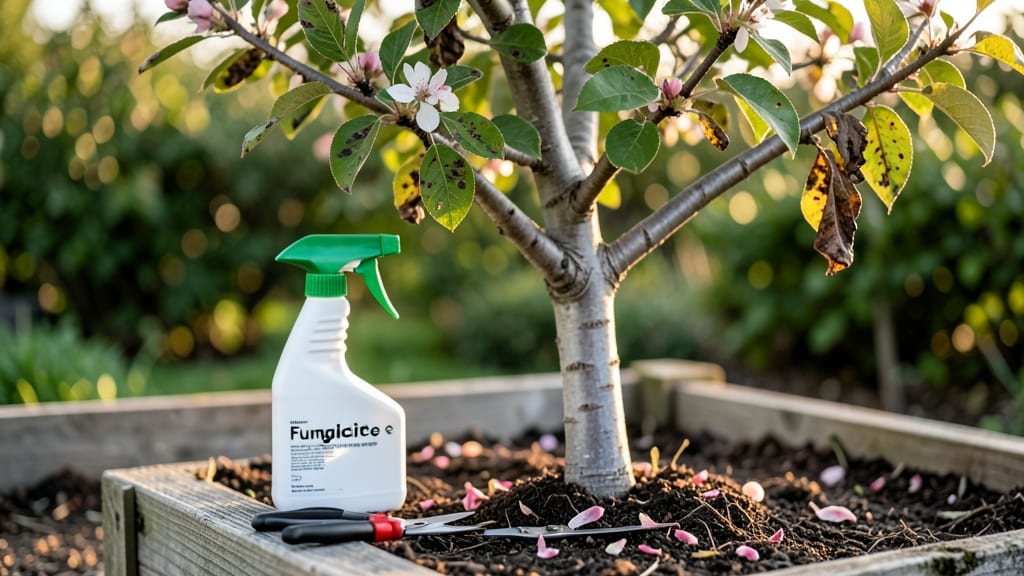
Peach tree blight turns lush canopies into sad, spotted messes faster than you can say "harvest season." 🌿 I’ve watched healthy trees go from vibrant to struggling in just a few weeks, and the key to stopping it starts with understanding what’s really attacking your fruit.
Most gardeners assume it’s just bad luck or poor pruning, but it’s actually a fungal party that thrives in damp, crowded branches.
The brown spots on leaves, the sudden leaf drop, and those mushy, rotten peaches? That’s brown rot and other blights throwing a rave in your tree.
The good news is you can outsmart them with 3 simple steps: pruning infected branches early, applying copper-based sprays at the right time, and keeping your tree’s center open for airflow. I’ve saved multiple trees using this exact routine, and your fruit can stay healthy too.
By summer’s end, you’ll have a tree that resists blight like a champ—fewer spots, no premature fruit drop, and peaches that stay firm and sweet until you’re ready to pick.
The secret isn’t complicated; it’s about timing and consistency. Once you see the difference, you’ll never ignore those first signs again.
This works for backyard trees in zones 5-9, whether you’re dealing with a young sapling or a mature producer. Let’s get your peach tree back to its thriving, blight-free self before next season rolls around.
Understanding The Root Causes
Peach tree blight—whether bacterial, fungal, or environmental—doesn’t strike randomly. It thrives due to specific conditions that weaken trees or create ideal environments for pathogens. Here’s a breakdown of the key culprits and why they trigger damage:
Fungal blight, like Monilinia fructicola (the culprit behind brown rot), spreads aggressively when three factors align:
- High humidity (80%+) 🌧️: Spores need moisture to germinate and infect wounds or fruit.
- Warm temperatures (70–85°F) 🌡️: Fungi grow fastest in this range, turning peach blossoms and fruit into prime targets.
- Overhead irrigation or rain 💦: Water splashes spores onto flowers and young fruit, creating infection hotspots.
Why it matters: Fungi release spores that land on open blossoms or injured bark. Once inside, they multiply rapidly, leading to rotting fruit and cankers.
Bacterial blight (Xanthomonas spp.) exploits physical damage to invade trees:
- Pruning cuts or storm wounds ⚔️: Fresh cuts expose vulnerable tissue where bacteria can enter.
- Hail or insect damage 🐛: Beetles (like Japanese beetles) chew bark, creating entry points.
- Poor sanitation 🧹: Old cankers or infected leaves harbor bacteria year-round.
Why it matters: Bacteria multiply in wet conditions, oozing from wounds as yellowish slime. Infected branches may wither, and fruit can develop dark, sunken lesions.
Peach trees under stress are far more susceptible to blight.
Common stressors include: - Drought or overwatering 💧: Both disrupt nutrient uptake, making trees less resilient. - Nutrient deficiencies 🌱: Lack of potassium or zinc weakens cell walls, inviting pathogens. - Extreme temperature swings ❄️☀️: Sudden cold snaps or heatwaves shock trees, lowering immunity.
Why it matters: Stressed trees produce fewer defensive compounds (like phenolics), giving blight pathogens an easier entry.
Dense canopies or crowded orchards trap moisture and spores:
- Tight spacing between trees 🌳: Limits airflow, keeping humidity high near fruit.
- Thick foliage 🍃: Blocks sunlight and slows drying after rain, prolonging wet conditions.
Why it matters: Stagnant air allows spores to linger, increasing infection rates by 30–50% compared to open orchards.
Infected branches or cankers never fully heal—they’re like hidden time bombs:
- Dead or dying branches ⚰️: Trap fungal/bacterial spores in bark crevices.
- Unremoved cankers 🩹: Act as year-round infection sources, even when trees appear healthy.
Why it matters: Spores survive winter in dead wood, ready to reinfect as soon as conditions warm up.
Pro Tip 💡: Monitor your trees weekly during bloom and fruit set. Look for:
- Sticky, oozing wounds (bacterial blight).
- Gray mold on fruit (fungal blight).
- Wilting leaves near cankers (stress + infection).
By addressing these root causes—improving airflow, reducing stress, and removing infected wood—you can drastically cut blight risks and keep your peach tree thriving.
Fixing Tree Troubles Naturally
Now that you understand the root causes behind peach tree blight—whether it’s fungal infections, bacterial spots, or environmental stressors—it’s time to take action. The good news? Most issues can be managed (or even prevented!) with a few targeted steps.
Below, we’ll map out practical fixes for the most common problems, along with preventive measures to keep your tree thriving year-round.
Fungal blights like brown rot (Monilinia) or leaf spot thrive in damp, crowded conditions. Here’s how to stop the spread and restore your tree’s health:
🔥 Remove Infected Debris Immediately
- Prune any branches with dark, mushy spots, cankers, or mummified fruit. Use sterilized pruners (wipe with rubbing alcohol between cuts) to avoid cross-contamination.
- Rake up fallen leaves and fruit from the base of the tree—these are fungal breeding grounds.
Dispose of them in the trash (not compost) or burn them if possible. - 💡 Pro Tip: Focus on early morning pruning when fungal spores are less active.
🌡️ Improve Airflow & Dryness Fungi love humidity.
To dry out the environment: - Thin out dense foliage to allow sunlight and air to circulate. - Space trees 10–15 feet apart if replanting to reduce crowding. - Water at the base (not overhead) and avoid late-day watering to let leaves dry before nightfall.
🛡️ Apply Fungicides Strategically
- Copper-based sprays (like Bordeaux mixture) or sulfur sprays work well for fungal blights.
Apply before bloom and after harvest for best protection. - Organic option: Neem oil (mix 1 tbsp per gallon of water + a drop of dish soap) can suppress fungal growth when sprayed every 7–10 days. - ⚠️ Warning: Avoid fungicides during peak bloom—they can harm pollinators.
Bacterial infections (like bacterial leaf spot) spread quickly through wounds and rain splashes. Act fast with these steps:
👨🍳 Sterilize Tools & Wounds
- Clean pruning tools with 10% bleach solution (1 part bleach to 9 parts water) before and after use.
- Seal pruning cuts with pruning sealant to prevent bacterial entry.
- Remove heavily infected branches—bacteria can’t be cured, only contained.
🌧️ Reduce Splash Back
- Water trees at the base (use drip irrigation or soaker hoses).
- Apply mulch (2–3 inches of wood chips) to absorb moisture and prevent soil splashing onto leaves.
- 💡 Pro Tip: If rain is forecast, cover young trees with a lightweight row cover to shield them.
🔄 Strengthen the Tree’s Defenses
- Fertilize with compost (not synthetic nitrogen-heavy fertilizers) to boost natural resistance.
- Avoid overwatering—stressed trees are more susceptible.
Heat stress, poor drainage, or nutrient deficiencies can weaken trees, making them blight-prone. Fix these underlying issues to prevent future outbreaks:
💧 Fix Watering Woes - Check soil moisture—stick your finger 2 inches deep.
Water deeply 1–2 times per week (not daily shallow watering). - Improve drainage by amending heavy clay soil with compost or sand. - 🌡️ Pro Tip: Mulch heavily (4–6 inches) to retain moisture in hot climates.
☀️ Optimize Sunlight & Shelter
- Peach trees need 6–8 hours of sun daily. If shaded, trim nearby trees or relocate the tree.
- Protect from wind—use windbreaks (like a fence or hedge) to prevent physical damage that invites infection.
🍎 Balance Nutrients
- Test soil pH (ideal: 6.0–6.5). Adjust with lime (to raise pH) or sulfur (to lower pH) if needed.
- Feed with balanced fertilizer (e.g., 10-10-10) in early spring and fall—avoid excess nitrogen, which promotes soft, blight-prone growth.
Once your tree is healthy, keep it that way with these year-round habits:
| Season | Task | Why It Helps |
|---|---|---|
| Winter | Clean up debris | Removes fungal overwintering sites. |
| Early Spring | Prune & apply copper spray | Stops early spores before bloom. |
| Summer | Monitor for stress signs | Catches issues before they spread. |
| Fall | Mulch & fertilize | Builds resilience for next season. |
🎯 Final Reminder: The key to blight-free peach trees is proactive care—don’t wait for symptoms to appear! Act now to save your tree and enjoy sweet, healthy fruit for years. 🍑✨
Frequently asked questions
What are the first signs of peach tree blight I should watch for?
Look for dark brown or black spots on leaves, twigs showing oozing cankers, or fruit developing gray mold. Early symptoms include premature leaf drop and sticky residue on branches. Catching these signs early gives you the best chance to stop the spread.
Can I save a peach tree already infected with blight?
Yes, but you must act immediately. Remove all infected branches (including mummified fruit on the ground), sterilize tools, and apply copper fungicide. For severe cases, prune back to healthy wood and improve airflow. With quick action, many trees recover fully.
How often should I spray my peach tree for blight prevention?
Apply copper-based sprays 3 times per season: before bloom, after harvest, and during wet periods. For organic options, use neem oil every 7–10 days during high-risk months (spring/fall). Always spray early morning to avoid harming pollinators.
Will pruning my peach tree help prevent blight?
Thinning dense branches improves airflow, reducing humidity where spores thrive. Remove dead or crossing branches and sterilize cuts with rubbing alcohol. Prune in dormant season (winter) or early spring for best results.
Are there blight-resistant peach tree varieties?
Some varieties like 'Redhaven' or 'Elberta' show better resistance, but no peach tree is 100% blight-proof. Focus on cultural practices (proper pruning, fungicides, sanitation) rather than relying solely on variety. Grafting disease-resistant rootstock can also help.