
Watering
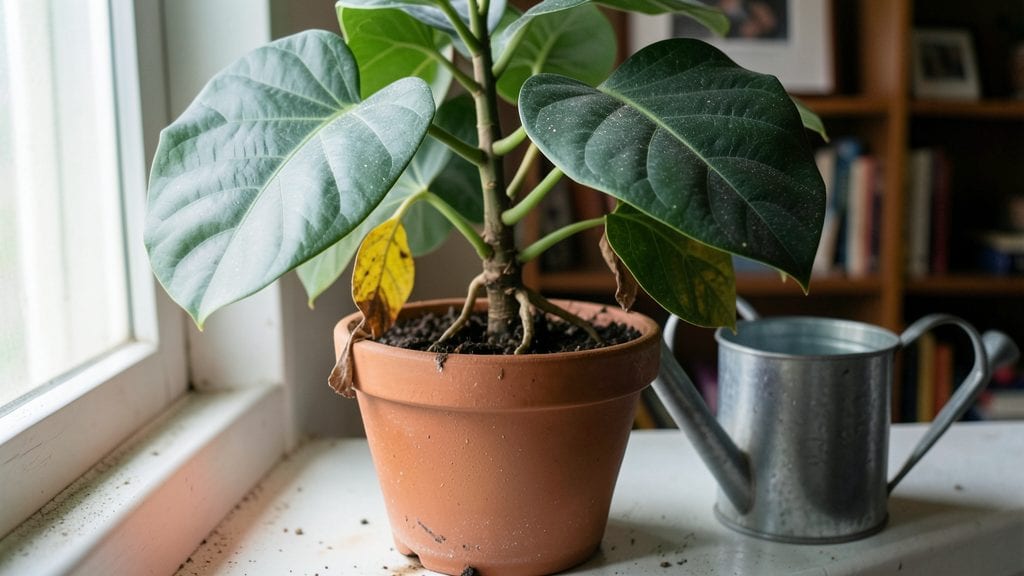
Saving an overwatered tree recovery isn’t hopeless—yellow leaves, soft bark, and that sickly smell of rot are just your first warning signs, especially with thirsty species like willows and maples that beg for attention. 🌱 I’ve seen it happen more times than I’d like to admit, but with the right steps, you can nurse them back to health.
The good news? Most trees bounce back with the right care, and we’ve rescued plenty of them by fixing drainage, pruning dead spots, and adjusting watering habits.
Here’s the thing—trees don’t need constant moisture. In fact, many prefer their roots to dry out slightly between waterings. We start by improving soil aeration with organic matter like compost or coarse sand, then prune any branches with fungal spots or oozing sap.
For severe cases, a targeted fungicide can help, but the real fix is letting the soil breathe again.
Within weeks, you’ll see new growth where there was only wilt before. The leaves turn a vibrant green, and the tree starts putting energy into recovery instead of fighting rot.
The key is patience—trees heal slower than annuals, but they’re tougher too. By summer’s end, your rescue might even outgrow its neighbors.
Once the tree’s back on track, we switch to a smarter watering schedule. Checking soil moisture with a finger (or a moisture meter) beats guesswork every time. For future seasons, mulch helps regulate moisture, and avoiding overhead watering keeps leaves dry—preventing the whole cycle from starting again.
Why it happens
Overwatering a tree might seem like a harmless mistake—after all, plants need water to thrive, right? 🌱 But when roots sit in soggy soil for too long, they struggle to breathe, leading to a cascade of problems.
Understanding why this happens is the first step to preventing it and reviving your tree. Let’s break down the most common culprits:
🌧️ Inconsistent Watering Habits
One of the biggest mistakes gardeners make is watering on a whim rather than following a schedule. Trees—especially young ones—need a consistent moisture level in the root zone. When you water sporadically, the soil can alternate between drought and waterlogging, confusing the tree’s natural hydration cycles.
For example, a deep watering once a week is often better than a light sprinkle every day. Soil microbes also suffer in these conditions, as they require oxygen to break down organic matter. Without proper aeration, roots suffocate, leading to rot.
🏡 Poor Drainage in the Soil
Not all soil is created equal. Clay-heavy or compacted soils are notorious for holding onto water like a sponge, while sandy soils drain too quickly. If your tree is planted in an area with poor drainage, excess water pools around the roots instead of seeping away.
This is especially problematic in low-lying areas or after heavy rainfall.
A simple test: Dig a small hole near the tree—if water doesn’t drain within 2–4 hours, you’ve got a drainage issue. Amending the soil with compost or organic matter can help, but in severe cases, installing a French drain or raised bed may be necessary.
🌿 Overzealous Mulching
Mulch is a gardener’s best friend—it retains moisture, suppresses weeds, and regulates soil temperature. But too much of a good thing can backfire. A mulch layer thicker than 2–4 inches can create a waterproof barrier, trapping moisture against the trunk and preventing evaporation.
This is particularly risky if the mulch is piled directly against the tree’s base (a practice called volcano mulching). The result? Roots smothered in dampness, inviting fungal infections like Phytophthora or Armillaria. Always keep mulch 3–6 inches away from the trunk and fluff it periodically to improve airflow.
💧 Irrigation System Malfunctions
Automatic sprinklers, drip irrigation, or soaker hoses are convenient, but they can also overdeliver if not properly calibrated.
For instance, a misaligned sprinkler head might flood one side of the tree while leaving the other parched. Runoff from sloped yards or improperly graded soil can also channel water directly to the roots.
Even well-intentioned systems can fail if left running overnight or during rainstorms. Check your irrigation schedule and adjust it based on rainfall data—most trees need 1–1.5 inches of water per week, including natural precipitation.
🌦️ Weather and Seasonal Factors
Mother Nature plays a role too. Prolonged rainy seasons, high humidity, or even winter ice melt can saturate the soil beyond a tree’s tolerance.
Evergreens, in particular, are vulnerable because their year-round foliage transpires water constantly, but their roots may still be waterlogged. Container-grown trees are especially at risk because their limited root space fills up quickly with excess water.
If you’re in a region with heavy rainfall, consider raising the tree bed slightly or installing drainage tiles to redirect water away from the roots.
🌱 Ignoring Tree Species Needs
Not all trees have the same thirst. A Willow oak, for example, thrives in moist soil, while a Japanese maple prefers well-drained conditions. Planting a drought-sensitive species in a swampy area is a recipe for root rot.
Always research your tree’s native habitat and match its watering needs to your soil type. If you’re unsure, consult a local nursery or arborist—they can recommend species that suit your climate and drainage conditions.
Reviving Your Tree Step by Step
Overwatering can feel like a death sentence for your tree, but with the right approach, you can nurse it back to health—even if it’s already showing signs of distress. The key is acting quickly, diagnosing the root of the problem (literally!), and applying targeted fixes.
Below, we’ll break down cause-specific solutions to help your tree bounce back, plus prevention tips to keep it thriving long-term.
Cause: Overwatering suffocates roots, cutting off oxygen and nutrients, leading to chlorosis (yellowing).
How to Fix It:
- 🔥 Stop Watering Immediately
- Let the soil dry out completely before watering again. Stick your finger 4–6 inches deep—if it’s damp, wait.
- 🍳 Improve Drainage
- For potted trees: Move to a well-draining container with holes and add perlite or sand to the soil mix.
- For in-ground trees: Amend the soil with compost or coarse sand to break up compacted areas.
- 👨🍳 Prune Damaged Foliage
- Trim yellow or brown leaves to redirect energy to healthy growth. Use sterilized pruners to avoid disease.
- ⏰ Gradual Reintroduction of Water
- Once the soil is dry, water deeply but infrequently (every 1–2 weeks, depending on climate).
💡 Pro Tip: If the tree is in a heavy clay soil, consider mulching with wood chips to improve aeration and moisture control.
Cause: Soggy soil creates the perfect environment for Phytophthora or other fungi, rotting roots.
How to Fix It:
- 🔪 Remove Affected Soil
- Gently loosen the top 6–12 inches of soil around the base and replace it with fresh, sterile potting mix (for pots) or compost-amended soil (for in-ground trees).
- 🌡️ Apply Fungicide (If Severe)
- Use a copper-based fungicide or hydrogen peroxide (3%) to spray roots and soil. Follow label instructions.
- 🥗 Boost Root Health with Mycorrhizae
- Add mycorrhizal fungi (available as powder or granules) to help roots recover and absorb nutrients.
- ✨ Adjust Watering Habits
- Water only when the top 2–3 inches of soil are bone-dry. Use a soaker hose for slow, deep hydration.
💡 Pro Tip: If the tree is potted, repot it entirely into a fresh, well-draining mix if root rot is widespread.
Cause: Overwatering weakens the tree’s structure, causing branches to droop or break.
How to Fix It:
- 🌡️ Check for Structural Damage
- Gently shake branches to see if they’re hollow or brittle. If so, prune dead wood to prevent further stress.
- 🍳 Provide Support (If Needed)
- For large trees, stake weak branches temporarily with soft ties to prevent snapping.
- 💪 Fertilize Lightly
- Use a balanced, slow-release fertilizer (10-10-10) to restore nutrients without overwhelming the tree.
- 🌤️ Monitor Sunlight Exposure
- If the tree is in low light, move it to a sunnier spot (gradually) to encourage photosynthesis.
💡 Pro Tip: Avoid heavy pruning during recovery—focus on removing only dead or diseased branches.
Once your tree is on the mend, keep these habits to avoid future overwatering:
- 📊 Test Soil Moisture: Use a moisture meter or the finger test before watering.
- 🌡️ Water Deeply, Less Often: Encourage deep root growth with long, slow watering sessions.
- 🔥 Choose the Right Pot: If potted, ensure it has drainage holes and use fast-draining soil.
- 🎯 Mulch Properly: Apply 2–4 inches of mulch (keeping it 6 inches away from the trunk) to regulate moisture.
- ✨ Avoid Compacted Soil: Aerate the root zone annually with a garden fork to improve airflow.
Remember: Recovery takes time—patience and consistency are your best tools. With the right care, your tree can not only survive but thrive again! 🌳💚
Frequently asked questions
How quickly can I expect to see improvement in an overwatered tree?
With proper care, you may notice new growth within 4-6 weeks, but full recovery can take several months depending on the tree's size and species. Focus first on stopping watering and improving drainage—these changes show results fastest. Smaller trees or container-grown specimens recover quicker than mature in-ground trees.
Can I save a tree with completely rotted roots?
Unfortunately, severe root rot often means the tree is beyond saving, but you can still salvage parts of it. Remove the tree completely and consider planting a new, disease-resistant variety in amended soil. For less severe cases, aggressive pruning and fungicide treatment might give the remaining healthy roots a chance to regenerate.
What's the best way to test if my tree needs less water?
Use the finger test: Stick your finger 3-4 inches deep into the soil. If it feels damp, wait before watering. For container trees, lift the pot—if it's heavy with moisture, hold off. A simple moisture meter (under $20) gives precise readings and prevents guesswork.
Will pruning help my overwatered tree recover?
Yes, but focus on removing only dead or diseased branches—never prune more than 25% of the canopy at once. Pruning helps redirect energy to healthy growth and improves airflow, reducing fungal risks. Always use clean, sharp tools and make cuts just outside branch collars to prevent damage.
Can I use household items to improve drainage for my overwatered tree?
Mix coarse sand or perlite into the soil (1 part amendment to 3 parts soil) to improve aeration. For potted trees, add a layer of gravel or broken pottery shards at the bottom before fresh soil. Avoid using cat litter or coffee grounds—they can compact over time and worsen drainage issues.