
How To
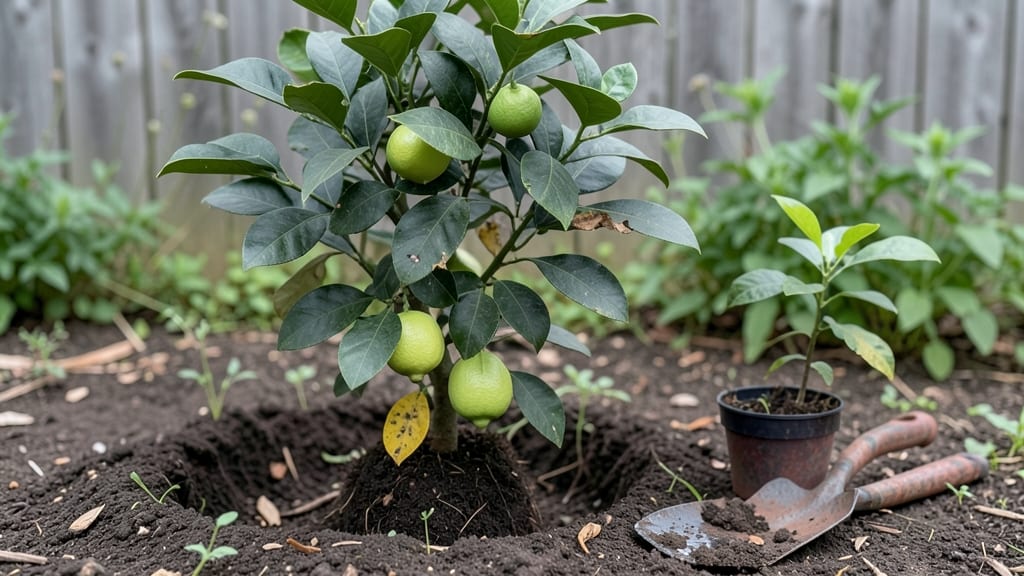
Transplanting a lemon tree the right way means the difference between a thriving citrus tree and one that struggles for years. 🌱 I learned this after my first attempt left the tree looking sad and stunted—until I discovered the proper timing, soil prep, and root handling that actually works.
Timing is everything: move your lemon tree during its dormant season (late winter to early spring) when it’s not actively growing. Dig a hole twice as wide as the root ball but no deeper, and mix in compost for drainage—lemon trees hate soggy roots.
Gently loosen the roots before placing it in the new spot, then water deeply to settle the soil.
📚 In This Guide
- What you need
- Instructions
- Tips and common mistakes
- Wrapping up and next steps
What you need
- ● Lemon tree (healthy & well-watered) – Choose a tree in active growth (spring or early summer) for best results.
- ● New planting container or hole – For containers: 1-2 sizes larger than the current pot (e.g., 12"–18" diameter for a 6"–8" pot). For ground planting: Dig a hole twice as wide and deep as the root ball.
- ○ High-quality potting mix – Use a well-draining blend (e.g., 60% inorganic matter like perlite/pumice + 40% organic matter like coconut coir or compost). Optional: Add 1–2 tbsp of citrus-specific fertilizer (like 6-6-6 or 8-3-9) to the mix.
- ● Garden trowel or spade – For digging and loosening roots.
- ● Pruning shears – To trim any damaged or overly long roots (sterilize with rubbing alcohol first!).
- ● Watering can or hose with a gentle spray nozzle – For thorough hydration before and after transplanting.
- ○ Mulch (optional but recommended) – Use 2–3 inches of organic mulch (e.g., wood chips or straw) to retain moisture and regulate soil temperature.
- ● Choose the right time – Transplant in spring or early summer (avoid extreme heat or frost).
- ● Water the tree 1–2 days before transplanting – Ensures roots are hydrated and less prone to shock.
- ● Prepare the new location – Ensure it gets 6–8 hours of sunlight daily and has good drainage (lemon trees hate soggy roots!).
- ○ Have a helper (optional but helpful) – Lemon trees can be heavy, especially when watered!
Step-by-step guide for transplanting a lemon tree
Here’s how I’ve successfully moved lemon trees without shocking the roots or losing fruit production.
🌱 Step 1: Choose the Right Time and Location
Transplant your lemon tree during its dormant season—either late winter (just before new growth starts) or early fall (after harvest). Avoid transplanting during summer heat or winter freezes, as the tree struggles to recover from root disturbance and extreme temperatures. Pick a new spot with full sun exposure (at least 6-8 hours daily) and well-draining soil. Lemon trees hate soggy roots, so avoid low spots where water pools.
I always test the soil first by digging a 6-inch hole—if water sits in it after 30 minutes, amend the soil with sand or perlite to improve drainage. The new location should also protect the tree from strong winds, which can damage delicate branches. If your yard has none, plant near a sturdy fence or wall.
🪴 Step 2: Prepare the New Hole and Amend the Soil
Dig a hole twice as wide as the root ball but no deeper—planting too deep suffocates the trunk and causes rot. Lemon trees need slightly acidic to neutral soil (pH 6.0-7.0), so mix 2-3 inches of compost into the bottom of the hole. Avoid fresh manure—it burns roots. If your soil is heavy clay, blend in 1 part sand for every 2 parts native soil to prevent compaction.
Loosen the sides of the hole with a shovel to encourage root spread. I like to water the hole deeply the day before transplanting so the soil settles and absorbs moisture. This reduces stress when you move the tree. Pro tip: If your lemon tree is in a pot, water it thoroughly 2 days before transplanting—this helps roots stay intact during removal.
💧 Step 3: Carefully Remove the Tree and Prune Roots
For potted lemon trees, tip the pot sideways and gently slide the root ball out, supporting the trunk with one hand. If the tree is in the ground, dig a 12-inch circle around the base, then wedge a shovel under the roots and lift carefully. Shake off loose soil but leave half the root ball intact—pruning too many roots shocks the tree. Trim only long, circling roots with clean shears to encourage outward growth.
I always inspect the roots for disease or damage—any mushy or blackened roots should be cut away with sterilized pruners. For container-grown trees, loosen the root ball’s edges with your fingers to encourage roots to spread into the new soil. Handle the tree by the root ball or trunk—never grab the branches, or you’ll snap them.
☀️ Step 4: Plant and Water for Immediate Recovery
Place the tree in the hole so the top of the root ball sits 1-2 inches below soil level—this prevents the trunk from settling too low over time. Fill the hole with amended soil, pressing gently to remove air pockets but avoiding compaction. Water deeply until moisture reaches 6 inches down, then let the soil drain completely before watering again. This first watering helps settle the roots into place.
Mulch the base with 2-3 inches of organic mulch (like wood chips), keeping it 6 inches away from the trunk to prevent rot. Stake the tree only if needed—young or top-heavy trees benefit from support, but mature ones usually stabilize on their own. Avoid over-tightening the stakes, or you’ll restrict trunk growth.
⏰ Step 5: Monitor and Support Growth After Transplanting
Keep the soil consistently moist (not soggy) for the first 4-6 weeks, then taper to deep watering every 1-2 weeks once established. Lemon trees are drought-tolerant once settled, but they won’t forgive neglect during their first year. Watch for yellowing leaves—this usually means overwatering or nutrient deficiency. If leaves drop, reduce watering and apply a balanced citrus fertilizer (like 6-6-6) every 2 months starting in spring.
Here’s the thing—don’t expect fruit the first year. The tree focuses energy on root recovery. Prune any dead or crossing branches in late winter to encourage new growth. If your lemon tree struggles, spray with neem oil to deter pests like aphids, which thrive on stressed plants. Patience is key: a well-transplanted lemon tree can live for decades and reward you with hundreds of lemons per season.
Tips & tricks for transplanting a lemon tree
Moving a lemon tree successfully comes down to timing, preparation, and patience—here’s how to avoid the common pitfalls that can set your tree back.
Timing is Everything: The dormant season window (late winter or early fall) is non-negotiable. I learned this the hard way after transplanting in summer—my tree lost half its leaves trying to recover from both heat stress and root disturbance. If you miss the ideal window, wait for the next dormant period rather than forcing it. The 6-8 hours of daily sun requirement is also critical—even partial shade can weaken growth and reduce fruit production.
Root Ball Integrity Matters: When removing the tree, especially from containers, the goal is to preserve as much of the root ball as possible. I always shake off only the loose soil—the roots you see are the tree's lifeline, and cutting too many (even healthy ones) creates shock. For in-ground trees, that 12-inch circle dig is worth the effort—it gives you leverage to lift without tearing roots. Remember, you're not doing a root pruning; you're just cleaning up the edges.
Soil Preparation Prevents Problems: The 6-inch hole test is your best friend for drainage. If water lingers after 30 minutes, you're looking at potential root rot—lemon trees despise soggy feet. For clay-heavy soils, that 1:2 sand ratio makes a world of difference. I've seen trees struggle in amended soil that wasn't properly mixed—always blend the sand or compost thoroughly into the native soil. The sides of the hole should be loose enough to encourage roots to spread outward rather than circling the trunk.
Post-Transplant Care is Where Results Happen: Those first 4-6 weeks of consistent moisture are make-or-break. I've seen trees recover beautifully when kept evenly moist, but others fail when owners overwater or let them dry out. The deep watering every 1-2 weeks after establishment is key—it trains the roots to grow deeper rather than staying shallow. And here's a trick I picked up: if your tree looks stressed after transplanting, a light application of seaweed fertilizer (not the citrus-specific one yet) can give it a gentle boost without overwhelming the new roots.
Pro Tips for Transplant A Lemon Tree
- Moving a lemon tree successfully comes down to timing, preparation, and patience—here’s how to avoid the common pitfalls that can set your tree back.
- Timing is Everything: The dormant season window (late winter or early fall) is non-negotiable.
- Root Ball Integrity Matters: When removing the tree, especially from containers, the goal is to preserve as much of the root ball as possible.
Frequently asked questions
Got questions about transplanting your lemon tree? You’re not alone! Here are some of the most common concerns—plus clear, actionable answers to help you succeed.
When is the best time to transplant a lemon tree?
The ideal time is late winter or early spring (before new growth starts) or early fall (6–8 weeks before frost). Avoid transplanting during extreme heat or cold—roots need time to establish without stress. If you’re in a warm climate, opt for spring to align with natural growth cycles.
How long does it take for a lemon tree to recover after transplanting?
Recovery time varies, but most lemon trees show signs of new growth in 4–8 weeks. Expect some leaf drop (normal!) and slower fruit production for the first year. Keep soil moist, avoid fertilizing for 4–6 weeks, and monitor for pests. Patience pays off—healthy roots mean bigger lemons later!
Should I water my lemon tree more or less after transplanting?
Water deeply but less frequently—aim for 1–2 inches of water per week (adjust for climate). Overwatering suffocates roots, while underwatering stresses the tree. Use mulch (2–3 inches) to retain moisture and regulate soil temperature. Pro tip: Water at the base, not the leaves, to prevent fungal issues.
Can I transplant a lemon tree from a pot to the ground (or vice versa)?
Yes! Potted lemon trees adapt well to ground planting, and ground-grown trees can move to pots (if the root ball isn’t too large). For potted transplants, choose a container 2–3 inches larger than the root ball. If moving to ground, dig a hole twice as wide as the root ball and amend soil with compost for drainage.
What should I do if my lemon tree’s leaves turn yellow after transplanting?
Yellow leaves often signal transplant shock or nutrient deficiency. Check for:
Trim severely yellowed leaves and adjust care—most trees bounce back in 2–4 weeks!
Wrapping up and next steps
Transplanting your lemon tree might feel like a big task, but with the right prep and care, you’ll be rewarded with a flourishing citrus treasure 🌱! Remember: patience, gentle handling, and attention to soil and watering are key to helping your tree thrive in its new home.
Now that you’ve got the know-how, it’s time to roll up those sleeves and give your lemon tree the fresh start it deserves.
Ready to take the next step? Start by scheduling your transplant on a cloudy day or early morning—your lemon tree will thank you for the love and effort! 💚