Pests and Diseases
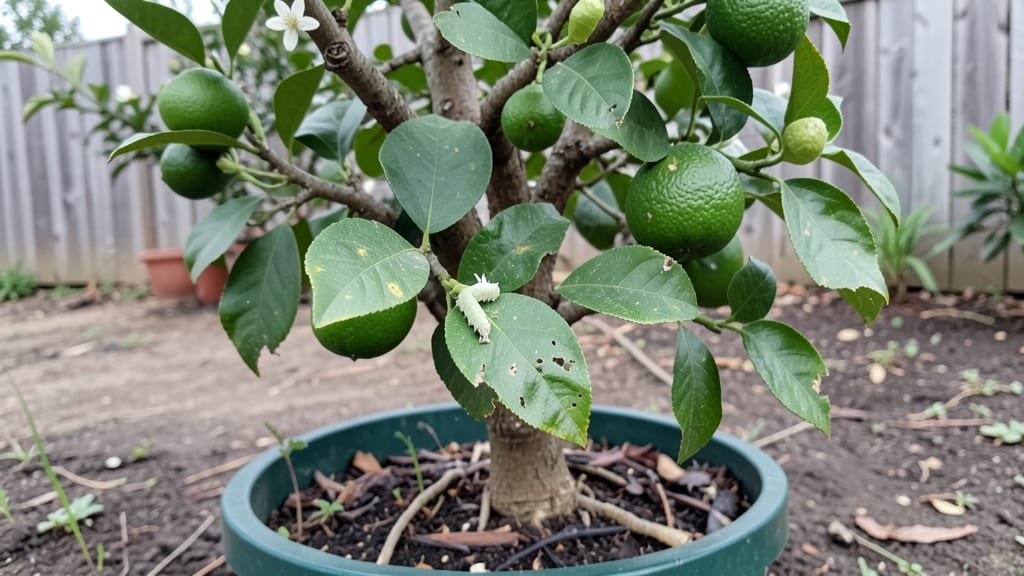
That bright orange jelly-like slime dripping down your tree bark isn't just weird—it's Dacrymyces palmatus, the orange jelly fungus, and it's silently weakening your tree's health. 🌿 I've seen it turn a once-vibrant oak into a hollowed-out shell if left unchecked, and the good news is you can stop it before it spreads.
The fungus thrives in damp, shaded conditions, often appearing after heavy rains or when bark is damaged. It doesn’t just look gross—it rots wood over time, making trees more vulnerable to storms or pests.
The key is acting fast: prune infected branches, improve airflow around the tree, and avoid overhead watering to keep bark dry.
You’ll notice the orange patches in spring or fall, especially on oaks, maples, or fruit trees. With the right treatment—like copper fungicide or hydrogen peroxide sprays—you can kill it before it spreads. The goal is to restore your tree’s strength and keep those jelly blobs from coming back.
For stubborn cases or large trees, calling an arborist is the safest move. But for most gardeners, a little elbow grease and the right tools can save your tree before it becomes a lost cause. Let’s get your tree back to healthy.
Root Causes of Fungal Growth
When you spot that eerie orange jelly-like substance oozing from tree bark or wounds, it’s usually a sign of Dacrymyces palmatus or similar jelly fungi—often called "witches’ butter." While these fungi may seem harmless, they thrive under specific conditions that weaken trees over time.
Understanding why they appear helps you address the underlying issues before they spread. Let’s break down the key factors that turn your tree into a fungal buffet.
Fungi love water—literally. Dacrymyces and related jelly fungi require high humidity and prolonged dampness to germinate and grow. Here’s how moisture sets the stage:
- Rain or irrigation overload: Trees with thick canopies or shallow root systems trap moisture against the bark. If rainwater or sprinklers soak the trunk for days, the bark stays saturated, creating the perfect breeding ground. Pro tip: 💡 Check for water pooling at the tree’s base—this is a red flag.
- Poor soil drainage: Compacted, clay-heavy, or poorly amended soil prevents water from draining away. Roots suffocate, and the tree’s defenses weaken. Test your soil: Dig a 6-inch hole near the tree; if water sits for more than 30 minutes, drainage is the issue.
- Fungal spores hitchhiking: Rain splashes spores from infected leaves or soil onto wounds. Once moisture lingers, spores activate within 24–48 hours.
Actionable fix: Improve drainage with organic matter (compost or bark mulch) and avoid overwatering. If your tree sits in a low spot, consider a French drain or raised bed to redirect water.
Jelly fungi don’t invade healthy bark—they colonize wounds. Any damage gives them a foothold, turning your tree into a fungal snack bar. Common entry points include:
| Wound Type | How It Happens | Fungal Risk Level |
|---|---|---|
| 🌳 Pruning cuts | Improper cuts leave jagged edges or expose inner bark, creating a moist, nutrient-rich surface. | ⚠️ High (especially if tools aren’t sterilized) |
| 🐛 Insect damage | Boring beetles (e.g., emerald ash borer) or sap-sucking pests create holes that expose vulnerable tissue. | ⚠️ Very High (insects often precede fungal infections) |
| 🌪️ Storm or hail wounds | Physical trauma tears bark, leaving raw, water-absorbent surfaces. | ⚠️ High (immediate risk of infection) |
| 🪓 Mechanical injury | Lawnmowers, string trimmers, or even leaning laddons can strip bark or create deep gouges. | ⚠️ Moderate (depends on depth) |
Actionable fix: Seal fresh wounds with pruning paint or wound dressing (for cuts over ½ inch wide) to block moisture and spores. But wait! 🔥 Only seal if the tree is healthy—if the tree is already stressed, sealing can trap decay. Sterilize tools with 70% isopropyl alcohol before pruning.
A tree under stress is like an open invitation to fungi. When trees lack essential nutrients or suffer from deficiencies, disease, or root rot, their bark becomes less resistant to colonization. Key stress signals:
- Nitrogen or potassium deficiency: Yellowing leaves or weak growth reduce the tree’s ability to produce protective resins and bark layers.
- Root damage: Compacted soil, girdling roots, or fungal root rot (e.g., Armillaria) starve the tree of water and nutrients, weakening its immune response.
- Drought followed by sudden watering: Trees that dry out then get drenched experience osmotic shock, making them vulnerable to fungal invasion.
Actionable fix: Conduct a soil test (via your local extension office) and amend soil with balanced fertilizer (e.g., 10-10-10). For root issues, aerate compacted soil or consult an arborist about mycorrhizal fungi to boost root health.
Jelly fungi aren’t picky about temperature, but they peak in cool, damp conditions. Here’s when they’re most active:
- Spring and fall: Mild temperatures (50–70°F) with high humidity create the perfect spore germination window. Rainy springs (like those in the Pacific Northwest) are a golden age for fungal spread.
- After frost or cold snaps: Sudden temperature drops weaken tree bark, making it easier for fungi to latch on. Ever notice more jelly fungi after a hard freeze? That’s no coincidence.
- Shady, humid microclimates: Trees in low-light areas (e.g., under dense canopies or near buildings) retain moisture longer, accelerating fungal growth.
Actionable fix: 🌡️ Monitor your tree’s microclimate—if it’s consistently damp, thin nearby foliage to improve airflow. In fungal-prone seasons, avoid pruning unless necessary, and water at the base (not the trunk) to reduce bark moisture.
Fungi don’t just appear out of thin air—they spread via spores from existing infections. Common sources:
- Infected mulch or wood chips: Chips from previously infected trees (even if composted) can harbor Dacrymyces spores. Never use untreated wood mulch near healthy trees.
- Contaminated tools or clothing: Pruners, saws, or even your boots can transfer spores from one tree to another. Sterilize everything between trees!
- Nearby infected plants or debris: Fungi like Tremella (another jelly fungus) can jump from fallen leaves, stumps, or even mushrooms growing on logs.
Actionable fix: 🔥 Quarantine infected trees immediately—remove and dispose of jelly fungus growth (don’t compost it!) and sterilize the area with a 10% bleach solution (1 part bleach to 9 parts water). Replace mulch with sterilized bark or gravel.
How to Treat and Prevent Fungal Growth
Discovering orange jelly-like fungus on your trees can be alarming, but don’t panic—most cases can be managed with the right approach. The key is acting quickly, identifying the root cause, and applying targeted solutions.
Below, we break down practical fixes based on the most common causes, along with prevention tips to keep your trees healthy long-term.
If the fungus is growing on rotting wood or dead branches, it’s likely a saprophyte—feeding on decaying organic matter rather than harming living trees. While it’s not dangerous, it can spread to healthy wood if left unchecked.
🔪 Step-by-Step Removal
- 🌳 Identify and Remove Infected Wood
- Use pruning shears or a handsaw to cut off any branches with jelly fungus growth.
- Look for soft, spongy wood—this indicates decay. Healthy wood should be firm.
- Dispose of infected branches in a sealed trash bag (not your compost pile).
- ⚡ Sterilize Tools
- After pruning, wipe tools with rubbing alcohol or a 10% bleach solution to prevent spreading spores.
- 🛠️ Repair the Tree (If Needed)
- If large branches are dead, consider removing the entire branch to prevent further decay.
- For minor damage, apply a tree wound sealant (optional—some arborists argue fresh cuts heal better without it).
💡 Prevention Tips
- 🌿 Prune Regularly: Remove dead or dying branches before fungus takes hold.
- 🌡️ Improve Airflow: Thin out dense foliage to reduce humidity near the tree.
- 🌧️ Avoid Overwatering: Keep soil well-drained to discourage wood rot.
If the fungus is actively infecting a living tree (often seen on stressed or wounded bark), it may be a parasitic species like Laetiporus (chicken of the woods). While some varieties are harmless, others can weaken trees over time.
👨🍳 Step-by-Step Recovery Plan
- 🌱 Strengthen the Tree’s Defense
- 💧 Water Deeply but Less Frequently: Encourage deep root growth to improve resilience.
- 🍃 Fertilize (If Needed): Use a balanced, slow-release fertilizer to boost health. Avoid over-fertilizing, which can stress roots.
- 🛡️ Apply Fungicidal Sprays (For Severe Cases)
- Use a copper-based fungicide (like Copper Sulfate) or a neem oil solution (1 tsp neem oil + 1 quart water + a drop of dish soap).
- Spray directly on the fungus and surrounding bark, focusing on wounds or cracks.
- ⏰ Reapply every 2–4 weeks during wet seasons.
- 🚫 Remove Competing Stressors
- Check for pests (borers, beetles) or mechanical damage (lawnmower hits, animal scratches).
- Treat pest issues with insecticidal soap or horticultural oil.
🌟 Long-Term Prevention
- 🌳 Mulch Properly: Apply 2–4 inches of organic mulch (wood chips, bark) around the base, but keep it 6 inches away from the trunk to prevent rot.
- 🌡️ Monitor Moisture: Fungus thrives in damp conditions—ensure good drainage and avoid overhead watering.
- 🔍 Inspect Annually: Check trees for early signs of decay, cracks, or unusual growth in spring and fall.
Orange jelly fungus often flourishes in shady, humid conditions. If your trees are in a low-light area or near a water source, adjustments can help.
🌿 Environmental Adjustments
- ☀️ Increase Sunlight
- Thin out nearby trees or shrubs to allow more direct sunlight to reach the infected tree.
- Avoid planting fungus-prone species (like oaks or willows) in permanently wet areas.
- 💦 Improve Drainage
- If the tree is in a low spot where water pools, consider:
- Digging a French drain around the base.
- Planting the tree on a slight mound to elevate roots.
- If the tree is in a low spot where water pools, consider:
- 🌡️ Adjust Irrigation
- Water trees early in the morning to allow foliage to dry quickly.
- Avoid overhead sprinklers that keep bark damp for long periods.
🎯 Proactive Tree Care
- 🌱 Choose Resistant Species: Opt for trees like maples, cherries, or fruit trees that are less susceptible to jelly fungi.
- 🍂 Clean Up Debris: Remove fallen leaves and branches promptly to reduce fungal food sources.
- 🔄 Rotate Plantings: If one area is repeatedly problematic, avoid replanting the same species in the same spot.
With these targeted solutions, you can eliminate existing fungus and protect your trees from future outbreaks. Remember: early action is the best defense—don’t wait until the problem spreads! For severe infestations, consult a certified arborist to assess the tree’s health and recommend advanced treatments.
Frequently asked questions about orange jelly fungus on trees
Is orange jelly fungus harmful to my tree?
Most orange jelly fungi (like Dacrymyces palmatus) are saprophytes, meaning they feed on dead wood and don't directly harm healthy trees. However, if they appear on living bark, they may indicate underlying stress or decay. The real danger comes from the conditions that allow the fungus to grow—like wet bark or wounds—which can weaken the tree over time. Always check for soft, spongy wood or oozing sap as warning signs.
Can I remove orange jelly fungus myself, or do I need a professional?
For small patches, you can safely remove it yourself by cutting off infected branches with sterilized tools and disposing of them in sealed bags. Use a 10% bleach solution to clean tools between cuts. For large trees, extensive decay, or if the fungus keeps returning, consult an arborist to assess hidden damage. Pro tip: Never compost infected wood—it spreads spores!
What’s the best way to prevent orange jelly fungus from coming back?
Focus on improving tree health and reducing moisture. Prune to increase airflow, avoid overhead watering, and keep mulch 6 inches away from the trunk. Apply copper fungicide preventatively in spring/fall if your area is prone to damp conditions. Also, inspect trees annually for wounds or pest damage—early fixes prevent fungal invasions.
Will rain make the fungus spread faster?
Yes! Orange jelly fungi thrive in high humidity and prolonged dampness. After heavy rain, spores activate within 24–48 hours. To minimize risk, water trees at the base (not the trunk), improve drainage around the root zone, and avoid planting fungus-prone species in shady, wet areas. If storms are forecasted, consider a protective fungicide spray as a precaution.
Are there any trees that are more susceptible to orange jelly fungus?
Oaks, maples, fruit trees, and willows are commonly affected due to their bark texture and susceptibility to wounds. Trees already stressed by drought, poor soil, or pests are also higher-risk candidates. If you notice repeated outbreaks, consider replacing vulnerable species with resistant varieties like cherries or hickories in your landscape plan.