
Trees
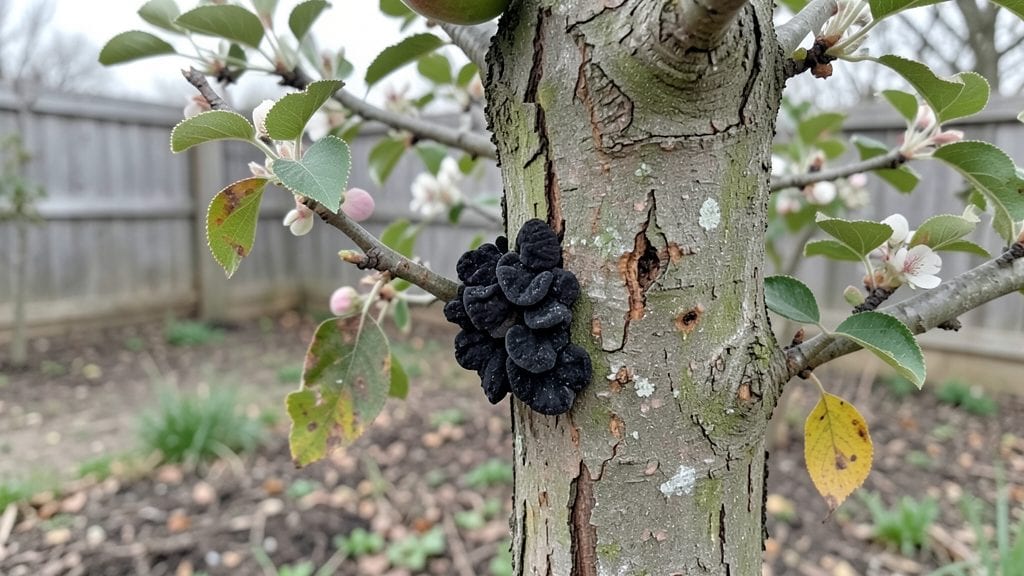
Tree fungus growth can turn a thriving yard into a battleground overnight—unless you catch it early. I’ve seen healthy oaks and maples go from lush to leafless in weeks when fungal spores get the upper hand.
The key isn’t just treating symptoms but understanding why fungi attack in the first place.
Most fungal problems start with stress: poor drainage, crowded roots, or old wounds. Powdery mildew clings to leaves like flour dust, while canker diseases create sunken, oozing sores on bark.
Root rot hides underground until branches yellow and snap—often by the time you notice, the tree is already fighting for its life. Prevention is easier than cleanup.
You’ll learn to spot trouble early—discolored bark, sticky spores, or mushrooms sprouting at the base—and fix it before it spreads. Simple fixes like improving airflow, pruning properly, and using mulch correctly can stop 80% of infections before they start.
For the stubborn cases, we’ll cover organic sprays and targeted fungicides that actually work.
This isn’t about panic—it’s about taking control. With the right tools and timing, you can keep your trees healthy year after year. Let’s get started with the first signs you shouldn’t ignore.
Root Causes Of Fungal Spread
Tree fungus growth isn’t just a random occurrence—it’s often the result of specific environmental and biological triggers. Understanding these causes helps you take proactive steps to protect your trees. Below, we break down the key factors that fuel fungal proliferation and how they interact with your trees.
Fungi thrive in damp conditions because their spores need moisture to germinate and spread. When trees sit in soggy soil—whether from heavy rainfall, irrigation oversaturation, or compacted ground—the risk of fungal infections skyrockets.
- Why it happens: Waterlogged soil cuts off oxygen to roots, weakening defenses. Fungi like Armillaria (root rot) and Phytophthora exploit this environment, spreading aggressively.
- Actionable fix:
- Test soil drainage with a percolation test (dig a 12-inch hole, fill with water, and time how long it drains). Ideal: <6 hours.
- Amend heavy clay soil with compost or sand to improve aeration.
- Avoid overwatering—trees need 1–1.5 inches of water per week, including rainfall.
Fungal spores germinate fastest in temperatures between 60–85°F (15–30°C) with high humidity (above 70%). Coastal regions, tropical zones, and even urban areas with poor airflow create perfect fungal hotspots.
- Why it happens: Heat and humidity accelerate spore release from infected leaves, bark, or soil. Fungi like Ceratocystis (oak wilt) spread rapidly in these conditions.
- Actionable fix:
- Prune trees in early morning or late evening to reduce stress from midday heat.
- Use fungicidal sprays (copper-based or potassium bicarbonate) during peak humidity (dawn/dusk).
- Install drip irrigation instead of overhead sprinklers to keep foliage dry.
Trees with open wounds—from pruning cuts, storm damage, or pest infestations—become entry points for fungi. Even minor injuries can invite pathogens like Hypoxylon (canker fungi) or Fomes (bracket fungi).
- Why it happens: Bark acts as a barrier; when broken, fungi colonize exposed wood. Stress from drought, poor soil, or root damage further weakens resistance.
- Actionable fix:
- Prune only during dormancy (late fall/winter) to minimize stress. Use clean, sharp tools and seal cuts with pruning sealant (for wounds > ½ inch).
- Remove dead or diseased branches immediately—don’t leave stubs.
- Mulch 2–4 inches deep (keep 6 inches from trunk) to protect roots and regulate soil temp.
Trees growing too close together compete for nutrients, sunlight, and water—stress that opens the door to fungal infections. Weakened trees (e.g., young saplings or those recovering from disease) are especially vulnerable.
- Why it happens: Poor air circulation traps moisture, and root systems intertwine, spreading fungi like Armillaria (honey fungus) between hosts.
- Actionable fix:
- Space trees 15–25 feet apart (depending on mature size) for airflow.
- Thin out dense foliage to reduce humidity near the trunk.
- Fertilize with balanced, slow-release nutrients (e.g., 10-10-10) to boost immunity.
Insects like bark beetles, borers, and sap-sucking bugs create wounds that fungi exploit. Some fungi (Ophiostoma) even hitchhike on pests, entering trees through their tunnels.
- Why it happens: Beetles introduce blue-stain fungi into wood, while ants or termites spread spores in their nests near tree bases.
- Actionable fix:
- Monitor for sawdust-like frass (beetle droppings) or shelter tubes (termite signs).
- Apply insecticidal soaps or neem oil early in the season to deter pests.
- Use tree banding (sticky traps) to catch beetles before they bore in.
💡 Pro Tip: If your tree shows signs of fungus (e.g., mushrooms at the base, discolored leaves, or oozing cankers), act fast—early treatment (like copper fungicide or soil drenches) can save it. For severe cases, consult an arborist to assess structural damage.
How to Fix Tree Fungus Issues
Fungus on trees isn’t just an eyesore—it can weaken or even kill them if left unchecked. The good news? Most fungal problems are preventable or treatable with the right approach.
Below, we’ve mapped out practical solutions for common causes of tree fungus growth, along with prevention tips to keep your trees thriving. Whether you’re dealing with powdery mildew, root rot, or cankers, these steps will help you restore health and protect your trees long-term.
Fix It: If your tree’s soil stays soggy for too long, fungi like Phytophthora or Armillaria (honey fungus) thrive in the damp conditions, rotting roots and bark.
- 🔥 Improve Drainage
- Dig a soil trench around the tree’s drip line (the edge of its canopy) to redirect excess water.
- Mix organic matter (compost or peat moss) into the soil to loosen compacted areas.
- Consider French drains if your yard has chronic water pooling near the tree.
- 🍳 Adjust Watering Habits
- Water deeply but less frequently—aim for 1–1.5 inches per week (including rainfall).
- Use a soil moisture meter to check before watering; soggy soil is a red flag.
- Avoid overhead sprinklers that saturate leaves and bark (encouraging fungal spores).
- 👨🍳 Prune Affected Roots (If Necessary)
- If root rot is severe, consult an arborist to safely remove dead roots while preserving healthy ones.
- Sterilize pruning tools with rubbing alcohol to prevent spreading spores.
💡 Prevention Tip: Plant trees in well-draining soil and choose species native to your climate—many are naturally resistant to rot.
Fix It: White, powdery patches on leaves? That’s likely Erysiphe or Podosphaera mildew, which drains a tree’s energy.
- 🌡️ Boost Air Circulation
- Thin out dense foliage to improve airflow (remove up to 25% of crowded branches).
- Space trees at least 10–15 feet apart when planting new ones.
- 🎯 Treat with Fungicides (When Needed)
- For mild cases, spray leaves with a baking soda solution (1 tsp baking soda + 1 quart water + a drop of dish soap).
- For severe infestations, use a copper-based fungicide or neem oil (follow label instructions).
- Apply treatments early in the morning to avoid burning leaves in sunlight.
- 🔪 Prune Infected Leaves
- Remove heavily infected leaves and dispose of them in the trash (not compost).
- Sterilize pruners between cuts to stop cross-contamination.
💡 Prevention Tip: Water trees at the base (not overhead) and avoid late-season fertilization, which encourages new growth vulnerable to mildew.
Fix It: Cankers (sunken, discolored patches on bark) or open wounds from storms/injuries create perfect fungal highways.
- ⏰ Clean and Disinfect Wounds
- Scrape away loose or dead bark with a sterile knife, exposing healthy tissue.
- Apply pruning sealant (like Tanglefoot Tree Wound Pruning Seal) to larger wounds to block spores.
- 🔪 Prune Strategically
- Remove branches with cankers at least 6 inches below the infected area (fungi spread upward).
- Avoid topping trees—this creates fresh wounds that fungi love.
- 🌿 Strengthen Tree Health
- Fertilize with balanced, slow-release fertilizer (high nitrogen can stress trees).
- Mulch 2–4 inches deep (keep mulch 6 inches away from the trunk) to protect roots.
💡 Prevention Tip: Inspect trees twice a year (spring and fall) for cracks or wounds. Fix issues early before fungi take hold.
Fix It: Leaves, branches, or stumps left on the ground create moist, dark havens for fungi like Polyporus (shelf fungi).
- 🔪 Remove Debris Promptly
- Rake up fallen leaves and dispose of them (don’t compost if infected).
- Chip or burn (safely) dead branches or stumps—don’t leave them as mulch.
- 🌡️ Improve Yard Hygiene
- Keep grass mowed short under trees to reduce humidity near the base.
- Space out wood chips if using them as mulch (avoid piling against the trunk).
💡 Prevention Tip: After storms, clear broken branches within 24 hours to prevent fungal spores from settling.
If your tree shows large cankers, oozing sap, or sudden leaf drop, it may need an arborist’s expertise. They can:
- Identify specific fungi (some require targeted treatments).
- Perform safe pruning without spreading disease.
- Recommend systemic fungicides for severe cases.
Final Thought: Most tree fungus issues are preventable with proactive care. Focus on proper watering, airflow, and hygiene, and your trees will stay strong and fungus-free for years! 🌳✨
Frequently asked questions
What are the first signs of tree fungus growth I should watch for?
Look for discolored bark (black, brown, or oozing patches), white powdery coatings on leaves (powdery mildew), or mushrooms sprouting at the tree base. Wilting leaves, yellowing foliage, or cankers (sunken, cracked bark) are also red flags. Act fast—early detection stops spread before it weakens the tree.
Can I use household items to treat tree fungus?
Yes! For powdery mildew, mix 1 teaspoon baking soda + 1 quart water + a drop of dish soap and spray leaves early in the morning. For root rot prevention, improve drainage by adding compost or sand to soggy soil. Avoid vinegar—it can burn leaves. For stubborn cases, copper fungicides work best.
How do I know if my tree’s fungus is serious enough to call an arborist?
Call an expert if you see large cankers (bigger than a quarter), oozing sap, or sudden leaf drop in healthy-looking trees. Fungi like Armillaria (honey fungus) or Ceratocystis (oak wilt) require professional treatment. An arborist can identify the fungus and prescribe systemic fungicides or targeted pruning.
Will pruning help stop tree fungus from spreading?
Prune infected branches 6 inches below the canker (fungi spread upward) and sterilize tools with rubbing alcohol between cuts. Avoid topping trees—this creates fresh wounds. For powdery mildew, remove heavily infected leaves and dispose of them in the trash (not compost). Always prune during dormancy (late fall/winter).
Can I prevent tree fungus with mulch?
Yes, but use it correctly! Apply 2–4 inches of mulch (wood chips or bark) and keep it 6 inches away from the trunk to prevent moisture buildup. Avoid piling mulch against the base—this creates a damp, fungal-friendly environment. Mulch helps regulate soil temperature and retain moisture, but poor placement can worsen infections.