Blooming
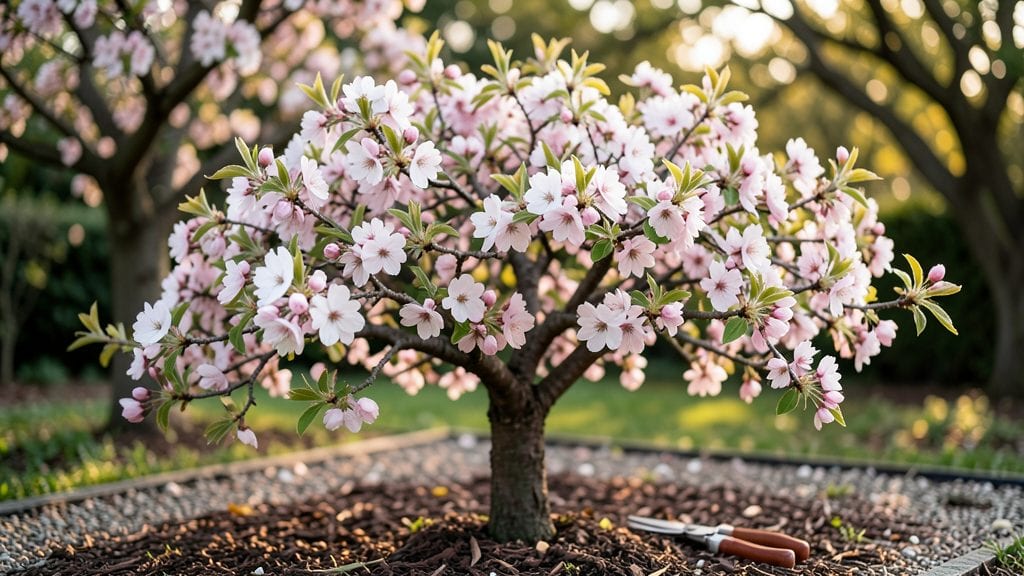
Those delicate nectarine tree blossoms signal the most magical moment in fruit growing—when a bare winter branch becomes a fragrant, pink explosion of potential. ✨ I still remember the first time I saw my young tree burst into bloom after just three years, its scent filling the spring air like nature’s own perfume.
The timing matters more than you’d think: late winter to early spring is when these blossoms need perfect conditions to set fruit for next summer’s harvest.
The secret to strong blooms isn’t complicated—just a few key moves. Prune last year’s growth in late winter to encourage new branches, protect young blossoms from late frosts with frost cloth, and make sure your tree gets enough water without soggy roots.
Regional differences matter too: Southern gardeners see blooms earlier (February-March), while Northern growers wait until April-May when the danger of frost passes.
When those blossoms appear, you’ll know exactly what to expect: a burst of pink that lasts about two weeks, followed by tiny green fruits forming within weeks. The real payoff comes in late summer, when your careful nurturing pays off with juicy, sun-ripened nectarines.
The best part? Healthy blossoms mean fewer pests and stronger trees for years to come.
Here’s where it gets interesting—those blossoms are also nature’s way of telling you what’s coming next. Watch for signs like dropped petals (good!) or blackened buds (bad!) to adjust your care.
Whether you’re in Texas or Tennessee, the principles stay the same: protect, nurture, and let that tree do the rest. Ready to turn those pink clouds into fruit?
📚 In This Guide
- What you need
- Instructions
- Tips and common mistakes
- Wrapping up and next steps
What you need
- ● Nectarine Tree: 1 dwarf or semi-dwarf variety (e.g., 'Fantasia,' 'Summergrand,' or 'Redglow')—ensure it’s self-pollinating or plant a second tree for cross-pollination.
- ● Growing Space: Full sun (6–8+ hours/day) in a protected location (avoid frost pockets or strong winds).
- ● Well-draining soil with a pH of 6.0–7.0 (test kits available at garden centers).
- ● Planting Supplies: 1 5-gallon container or bare-root sapling (spring or early fall planting).
- ● 1 shovel or trowel (for digging).
- ● 1 garden hose or watering can (with a fine rose attachment).
- ● 1 mulch (2–3 inches of wood chips or straw) to retain moisture.
- ● Fertilizer: 1 balanced fruit tree fertilizer (e.g., 10-10-10 or 6-6-6) applied in early spring and summer.
- ○ 1 slow-release granular fertilizer (optional but recommended for first-year trees).
- ● Pruning Tools: 1 pair of bypass pruners (for small branches).
- ● 1 loppers (for thicker branches, 3/4-inch cut capacity).
- ● 1 disinfectant (rubbing alcohol or bleach solution) to clean tools between cuts.
- ● Pest & Disease Control: 1 hose-end sprayer (for neem oil or horticultural oil treatments).
- ● 1 copper fungicide (to prevent bacterial spots or leaf curl).
- ● 1 tree guard or wire cage (to protect young trees from animals).
- ● 1 drip irrigation system (for consistent watering).
- ● 1 soil moisture meter (to monitor root health).
- ● 1 blossom fertilizer (e.g., 20-20-20) in late winter to boost flower production.
- ● 1 pollinator-friendly plants (e.g., lavender or bee balm) nearby to attract bees.
Step-by-step guide to cultivating nectarine tree blossoms
Watch your backyard transform into a fragrant spring paradise with these proven steps.
🌱 Step 1: Select and Prepare the Right Rootstock
Start with a dwarfing rootstock like Lovell or Nemaguard—these mature in 3 years while staying manageable. I recommend purchasing a 1-year-old bare-root whips in late winter from a reputable nursery. Soak the roots in lukewarm water for 2-3 hours before planting to revive them.
Dig a hole twice as wide as the root ball but only as deep as the container it came in. Amend the native soil with 2 inches of compost mixed into the bottom—this improves drainage and gives roots a nutrient boost. The key here is loose, well-draining soil—nectarines hate soggy roots.
☀️ Step 2: Plant in Full Sun with Proper Spacing
Choose a location with at least 8 hours of direct sunlight daily—partial shade slows blossoming. Space your 4 trees at least 15 feet apart to allow airflow, which prevents fungal diseases that attack blossoms. I plant mine in a slightly raised mound to improve drainage, especially in clay-heavy soils.
Backfill the hole with the amended soil, tapping gently to remove air pockets. Water deeply until the soil settles 2 inches below the graft union (the swollen area on the trunk). Mulch with 3 inches of wood chips in a 3-foot diameter circle, keeping it 6 inches away from the trunk to prevent rot.
💧 Step 3: Water Deeply and Fertilize Strategically
Water once weekly for the first 2 months, then reduce to every 10-14 days once established. The goal is deep, infrequent watering—check by pushing a finger 3 inches into soil. If it feels dry, water until moisture reaches 6 inches deep. Overwatering in winter causes blossom rot.
In early spring, apply a balanced 10-10-10 fertilizer at ¼ pound per tree. I split this into 3 applications: right after dormancy breaks, when buds swell, and just as flowers open. Avoid high-nitrogen fertilizers—they produce leafy growth at the expense of blossoms.
✂️ Step 4: Prune for Airflow and Blossom Health
In late winter, prune to remove dead, crossing, or inward-growing branches. I target suckers (shoots growing below the graft) immediately—they drain energy from blossom production. Cut back last year's growth by ¼ to encourage new, vigorous shoots that bear more flowers.
Thin blossoms in early spring when they're ½ inch across—leave 1 bloom per cluster to prevent overcrowding. This ensures larger, more fragrant fruit. I also remove water sprouts (vertical shoots) as they appear, as they compete with blossoms for energy.
🌿 Step 5: Protect Blossoms from Pests and Frost
Cover trees with frost cloth when nighttime temps drop below 28°F—nectarine blossoms are frost-sensitive. I secure the cloth loosely with stakes to allow airflow. For pests, spray neem oil on buds and blossoms in early spring to deter aphids and mites, which suck sap and weaken flowers.
Monitor for bacterial leaf spot—remove infected leaves immediately and apply copper fungicide as a preventative spray. Healthy blossoms need consistent care, so I check trees weekly during bloom season for signs of stress, pests, or disease.
Tips & tricks for perfect nectarine tree blossoms
Here's what I've learned from cultivating fragrant nectarine blossoms that transform my garden every spring.
Root Revival Matters: That 2-3 hour soak in lukewarm water is non-negotiable for bare-root whips. I've seen roots revive dramatically after this treatment—it's like giving them a refreshing drink before their big move. Use a bucket large enough to fully submerge the roots without bending them. The water should feel comfortably warm to your wrist, not hot.
Graft Union Awareness: When backfilling, keep the graft union 2 inches above soil level—this prevents it from rotting when watered. I mark the graft union with a small flag during planting so I can verify it's at the correct height before covering with soil. This simple visual cue has saved me from having to replant trees.
Fertilizer Timing: Those 3 applications of 10-10-10 fertilizer create the perfect bloom cycle. The first application after dormancy jumpstarts growth, the second when buds swell ensures energy for blossoms, and the third just as flowers open maintains their vibrancy. I schedule these around my local frost dates to avoid late-season growth that could be damaged by cold snaps.
Pruning Precision: Cutting back last year's growth by exactly ¼ opens up the tree's center for better airflow and sunlight penetration. I use sharp pruners and make cuts at a 45-degree angle just above an outward-facing bud. This technique promotes stronger new growth where blossoms will form next season.
Pro Tips for Nectarine Tree Blossom
- Here's what I've learned from cultivating fragrant nectarine blossoms that transform my garden every spring.
- Root Revival Matters: That 2-3 hour soak in lukewarm water is non-negotiable for bare-root whips.
- Graft Union Awareness: When backfilling, keep the graft union 2 inches above soil level—this prevents it from rotting when watered.
Frequently asked questions
Got questions about nurturing those dreamy nectarine tree blossoms? You’re not alone! Here are answers to the most common queries—from timing to troubleshooting—to help your tree thrive and burst into fragrant springtime splendor.
When do nectarine tree blossoms appear, and how long do they last?
Nectarine blossoms typically emerge in early to mid-spring (March–April, depending on your climate zone). These delicate, rosy-pink flowers last about 7–10 days, but their beauty is fleeting—soak it in! Cold snaps can delay blooming, while warm spells may trigger early (and frost-sensitive) flowers. Plan ahead!
What if frost hits my nectarine blossoms? Can I save them?
Frost is the #1 enemy of nectarine blossoms! If temps drop below 28°F (-2°C), flowers may blacken. Act fast:
- Cover trees with frost cloth at night.
- Use sprinklers to create insulation (water releases heat as it freezes).
- Wait until spring frost risk passes (usually after last frost date) to plant bare-root trees.
Can I grow nectarines from seed? Will the blossoms be the same?
While it’s possible to grow nectarines from seed, the results are unpredictable—blossoms (and fruit!) may differ wildly from the parent tree. For reliable nectarine tree blossoms that match your vision, stick to grafted nursery trees. They’re bred for consistent blooms, disease resistance, and sweet fruit!
Do I need to hand-pollinate nectarine blossoms?
Nectarine trees are self-pollinating, but bees and other pollinators boost fruit set! If your area lacks pollinators (e.g., urban gardens), try:
- Planting bee-friendly flowers nearby (lavender, sunflowers).
- Gently shaking branches during peak bloom (when flowers are open).
- Avoid pesticides—they harm pollinators!
My nectarine tree has blossoms but no fruit. What’s wrong?
No fruit after blossoms? Check these culprits:
- Poor pollination: Try hand-pollinating or adding pollinator plants.
- Late frost: Damaged flowers won’t produce fruit.
- Over-thinning: Remove only 10–20% of blossoms to balance fruit load.
- Disease/pests: Yellow leaves or holes? Treat with neem oil or consult a local extension office.
Wrapping up and next steps
Watching your nectarine tree blossoms burst into vibrant life is a rewarding experience that takes patience and care—but it’s absolutely worth it! 🌸 With the right soil, sunlight, and a little TLC, you’ll enjoy fragrant spring blooms in just three years.
Now that you’re armed with the knowledge, roll up your sleeves and get planting—your future harvest of juicy nectarines is waiting!
Ready to dive in? Start by gathering your supplies, then follow the steps to nurture your tree from seed to stunning blossoms. Happy gardening! 🌱