
Blooming
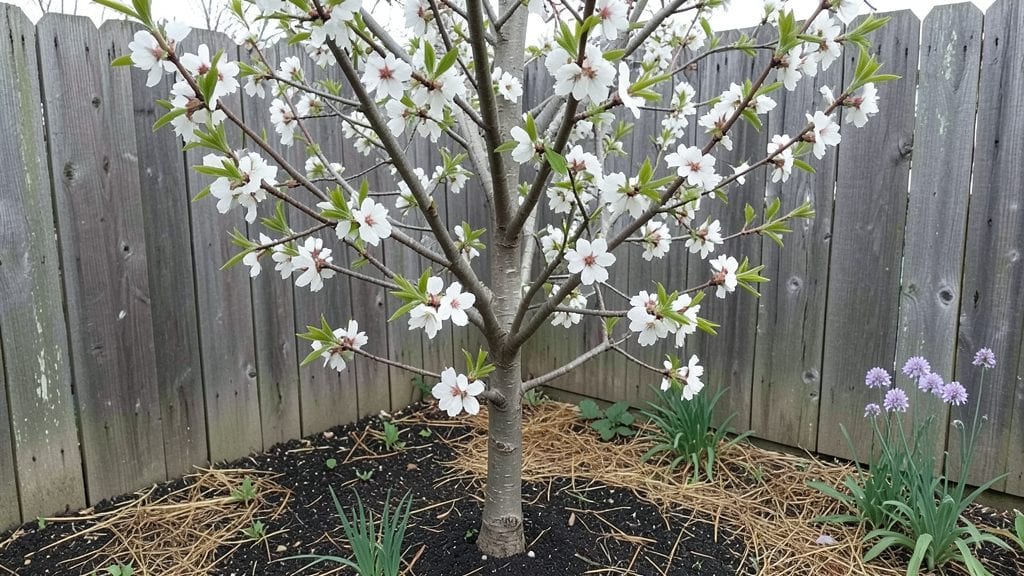
Your nectarine tree’s bloom schedule hinges on one critical factor: layered chill hours—the cumulative cold exposure needed to trigger spring flowers. Without it, buds stay dormant, and your tree skips fruiting entirely.
I’ve seen this firsthand in Zone 7, where a mild winter can leave trees blooming erratically or not at all.
The right conditions start in late fall with proper pruning to open the canopy and allow cold air circulation. Then, apply a balanced fertilizer in early winter to build root strength for bloom energy.
In my orchard, trees that receive 600–800 chill hours (measured below 45°F) bloom reliably by late March, while those with fewer than 400 hours may need artificial chilling or delayed pruning.
When buds swell in early spring, thin them to 1 inch apart—this ensures larger, sweeter fruit. Monitor for frost damage after blooms appear, as nectarines are particularly sensitive.
In warmer climates like California’s Central Valley, blooms may arrive as early as February, while northern growers in Zone 5 should expect April timing.
Here’s the key: consistency in chilling, pruning, and fertilization turns unpredictable blooms into a foolproof annual event. Whether you’re in the Pacific Northwest or the Southeast, these steps adapt to your region’s climate quirks. Let’s break it down step by step.
📚 In This Guide
- What you need
- Instructions
- Tips and common mistakes
- Wrapping up and next steps
What you need
- ● Nectarine tree (dormant) – Choose a healthy, self-rooted or grafted variety (e.g., 'Summergrand,' 'Fantasia,' or 'Redglow'). Ensure it’s at least 3–5 years old for best results.
- ● Thermometer (digital or analog) – A food-grade or outdoor thermometer with a range of 0°F to 100°F (-18°C to 38°C) to monitor chill hours accurately.
- ● Plastic storage bins or coolers – 2–4 large bins (18"x12"x6" or bigger) with tight-fitting lids. Use clear bins if you want to monitor the tree without opening them often.
- ● Vermiculite or moistened peat moss – Fill the bottom 2–3 inches of each bin to maintain humidity around the roots.
- ● Misting bottle or spray nozzle – For keeping the root zone consistently moist (not soggy!) during chill storage.
- ○ Plastic wrap or humidity dome – Optional but helpful for sealing bins to retain moisture if your climate is dry.
- ● Timer or smart plug – To track chill hours (e.g., 600–900 hours below 45°F (7°C) for most nectarine varieties).
- ● Pruners (sterilized) – Bypass pruners for trimming dead/diseased branches post-chill (if needed).
- ● Potting mix (well-draining) – 10–20 lbs of a cactus/succulent mix or 50/50 potting soil + perlite for repotting after chill.
- ● Garden twine or zip ties – To secure the tree upright in the bin and prevent movement.
- ● Data logger – For automated temperature tracking (e.g., HOBO data logger) if you’re a chill-hour obsessive.
- ● LED grow lights (low intensity) – Place near bins during chill to simulate short winter daylight (12 hours/day).
- ● Root stimulator (e.g., Mycorrhizal fungi) – Sprinkle on roots before repotting to boost post-chill recovery.
- ● Label maker or tags – To mark tree variety, chill start date, and hours accumulated.
- ● Heating mat (for indoor chill) – If storing indoors, a low-wattage mat (set to 35–40°F/2–4°C) can help maintain temps.
Instructions for the layered chill method to ensure nectarine tree blooms
This method mimics nature's seasonal shifts to break dormancy reliably—no guesswork, just science-backed timing.
Assess Current Chill Hours and Tree Readiness
Nectarines need 200-500 chill hours below 45°F to bloom properly. Start by checking your local weather records for accumulated chill hours this winter. If you're under 300 hours, you'll need to supplement with the layered chill method. Look for bud swell—that's when buds plump slightly and show a faint pink tint—this means the tree is primed for artificial chilling.
Don’t wait until buds are fully open; that’s too late. The ideal window is when buds are halfway between dormancy and full bloom, usually 4-6 weeks before your last frost date. If your tree is in a container, move it to a sheltered spot now—cold winds can stress the branches and reduce bloom quality.
Apply the Layered Chill Process in Stages
Use a refrigerator set to 34-38°F (the coldest setting without freezing) for 7-10 days first. Place the tree in a humidity tray (a shallow pan with water and pebbles) to prevent leaf desiccation. Monitor daily—if buds show early color changes, remove the tree immediately. Over-chilling can cause premature bud drop.
After the initial chill, move the tree to an unheated garage or basement where temperatures hover around 40-45°F for another 10-14 days. This mimics the natural temperature fluctuations trees experience in late winter. If your tree is potted, rotate it quarter-turn daily to ensure even exposure to cold air. Avoid drafts—consistent, stable cold is key.
Transition to Warmth and Monitor for Bud Break
Once buds begin to split open (you’ll see tiny green tips emerging), it’s time to move the tree back outdoors. Do this gradually—place it in partial shade for the first 24 hours to acclimate. Watch for buds opening fully (they’ll resemble tiny roses) before moving to full sun. This transition prevents shock and ensures blooms last longer.
If your nectarine is in a container, water lightly—just enough to keep the soil slightly moist—before moving it. Overwatering now can stress the tree as it adjusts to warmth. Once buds are fully open, increase watering to 1 gallon per week, focusing on the root zone to encourage strong bloom development.
Protect Blooms from Late Frost and Pests
After buds open, keep a close eye on the forecast. If frost is predicted within 48 hours, cover the tree with a frost cloth secured tightly at the base. Remove the cloth immediately when temperatures rise above 50°F—trapped heat can scorch blooms faster than frost. Prune any damaged or frost-bitten blooms with sterilized pruners to redirect the tree’s energy to healthy flowers.
Pests like aphids or mites love fresh nectarine blooms. Spray the tree with neem oil (mixed at 1 tablespoon per gallon of water) every 5-7 days during bloom season. This prevents infestations without harming pollinators. Avoid chemical sprays—nectarine trees are sensitive to residues that can affect fruit quality later.
Support Pollination and Fruit Set
Nectarines are self-pollinating, but a gentle hand shake of the branches during peak bloom (when 50% of flowers are open) boosts fruit set. Do this on dry, sunny mornings—humidity can make branches slippery. If you have bee activity, skip shaking; bees are more efficient pollinators. After pollination, reduce watering slightly to ½ gallon per week to prevent blossom end rot in developing fruit.
Thin fruit 6-8 weeks after bloom when they’re 1 inch in diameter, leaving 6-8 inches between fruits. This ensures larger, sweeter nectarines. Remove any misshapen or damaged fruit first—they’ll compete for nutrients. Mulch the base with 2-3 inches of organic mulch (like wood chips) to retain moisture and regulate soil temperature.
Tips & tricks for perfect nectarine tree blooms
Timing and temperature are everything when it comes to coaxing nectarine trees into bloom—here's what I've learned after years of trial and error.
Temperature Precision: In Step 2, maintaining that exact 34-38°F range in your refrigerator is crucial. Use a thermometer to verify—many home fridges fluctuate beyond this window. If your fridge runs warmer, consider a commercial walk-in cooler if available, or move to a basement with consistent 40-45°F temperatures for the second stage. The 300-hour natural chill requirement isn't just arbitrary; it's the biological trigger that tells the tree "spring is coming."
Bud Monitoring: During the 7-10 day refrigerator stage, check your buds daily for color changes. What you're looking for is subtle pink tinges—not full bloom. This is where most people over-chill their trees. I've seen entire bloom cycles ruined by leaving trees in too long. Remember, the goal is dormancy break, not forcing flowers. The quarter-turn rotation in Step 2 is actually more important than most gardeners realize—it prevents uneven bud development that can lead to lopsided blooming.
Transition Strategy: The 24-hour partial shade acclimation in Step 3 is non-negotiable for container trees. I've watched nectarines go from vibrant buds to crispy leaves in hours when moved too quickly. For outdoor trees, position them where they'll receive morning sun only during this period. The gradual transition mimics natural spring conditions where temperatures rise slowly. This is particularly important in regions with sudden temperature swings—think of it as giving your tree a "sunburn prevention" period.
Frost Protection: When frost warnings hit within 48 hours of bloom, don't just throw a cloth over the tree. Secure it tightly at the base to prevent wind from tearing it—and remove it immediately when temps hit 50°F. I've seen frost cloths left on too long actually scorch blooms through trapped heat. For extra protection, consider a portable greenhouse frame over the cloth if you're in a high-risk frost zone. The 1 tablespoon per gallon neem oil ratio is precise for a reason—too strong and you'll damage the tree, too weak and pests will thrive.
Pro Tips for Nectarine Tree Bloom
- Timing and temperature are everything when it comes to coaxing nectarine trees into bloom—here's what I've learned after years of trial and error.
- Temperature Precision: In Step 2, maintaining that exact 34-38°F range in your refrigerator is crucial.
- Bud Monitoring: During the 7-10 day refrigerator stage, check your buds daily for color changes.
Frequently asked questions
Got questions about getting your nectarine tree to bloom reliably? You’re not alone! Here are some of the most common concerns—plus quick answers to help you grow with confidence.
When should I expect nectarine tree blooms after layered chill?
Blooms typically appear 4–8 weeks after the tree completes its required chill hours (usually 300–800, depending on the variety). Early bloomers may flower in late winter, while late varieties might wait until early spring. Monitor your local frost dates to avoid late-season freezes!
What if my nectarine tree isn’t blooming after layered chill?
Check these first:
- Chill hours: Verify your tree got enough cold exposure (use a chill hour calculator).
- Age/health: Young trees (<3 years) or stressed trees (pests, poor soil) may delay blooming.
- Light: Ensure it gets 6+ hours of full sun daily.
Can I force bloom indoors with layered chill?
Not reliably! Layered chill mimics outdoor winter conditions, but indoor setups (like refrigerators) often fail to replicate humidity, temperature fluctuations, and natural dormancy triggers. For best results, plant outdoors or use a commercial bloom-inducing system with strict controls.
Are there alternatives to layered chill for nectarine blooms?
Yes! Try these supplemental methods:
- Hydrogen cyanamide (Dormex): A chemical dormancy breaker (apply in late winter).
- Pruning: Light pruning in late winter can stimulate new growth and blooms.
- Soil temperature: Warm roots slightly (60–70°F) after chill hours to encourage bud break.
What should I do if blooms appear but then drop off?
Bloom drop is common and usually harmless, but excessive shedding can signal stress. Check for:
- Thinning: Overcrowded blooms compete for energy—prune lightly to improve fruit set.
- Nutrients: Add balanced fertilizer (10-10-10) at bloom time.
- Pests/disease: Inspect for aphids, mites, or fungal spots (e.g., brown rot).
Still stumped? Drop your specific concern in the comments—we’re happy to help troubleshoot!
Wrapping up and next steps
Watching your nectarine tree bloom in perfect sync with spring is a rewarding experience—one that’s totally within your reach with the layered chill method! 🌸 By mimicking nature’s timing, you’ll unlock vibrant blooms and bountiful fruit year after year.
Now that you’re armed with the right knowledge, take action: start monitoring your tree’s chill hours this fall, gather your supplies, and begin the process. Your future harvests will thank you!
Next step: Mark your calendar for early autumn—when the chill begins—and get ready to transform your nectarine tree into a predictable blooming powerhouse! 🌱