
Blooming
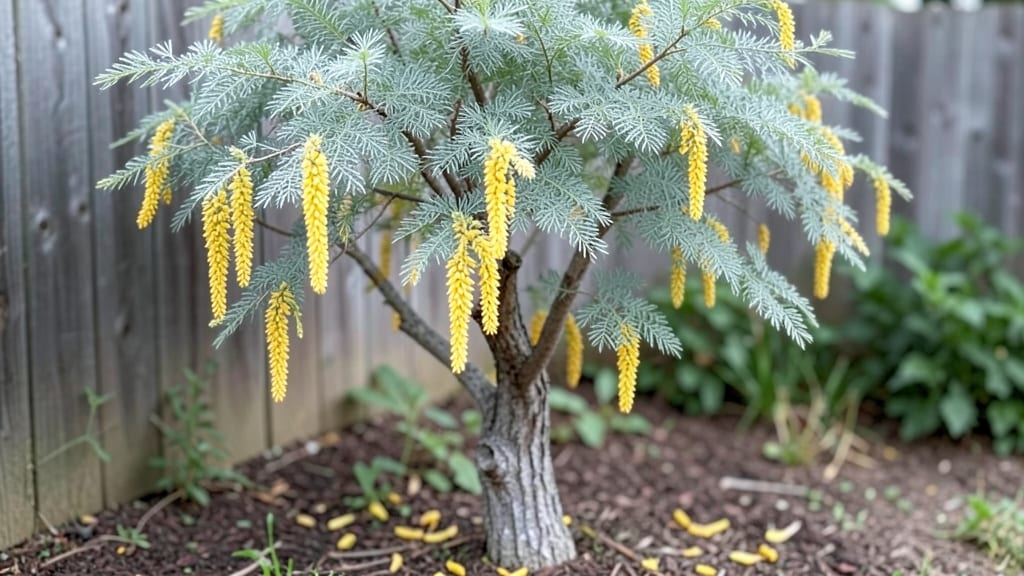
Growing mesquite tree blossoms means waking up to the sweetest scent of spring in your desert yard. 🌿 I planted my first mesquite tree five years ago, and now it bursts into fragrant yellow blooms every April—attracting bees, hummingbirds, and neighbors asking for cuttings.
The secret isn’t just patience, but understanding how these tough trees thrive where others fail.
Mesquite trees love hot, dry climates with full sun and well-draining soil, even rocky ground. They’re drought-resistant once established, but young trees need deep watering once a week during their first two years.
Prune lightly in late winter to shape the tree and remove dead branches—never cut into old wood, or you’ll stunt future blooms.
By year three, you’ll see those first fragrant clusters of tiny yellow flowers, followed by edible pods. The blooms aren’t just beautiful—they feed pollinators and improve soil fertility.
My tree now produces enough pods to share with wildlife and even dry for flour. The best part? Once it’s established, it needs almost no care.
Perfect for desert landscapes, erosion control, or even as a shade tree with a sweet bonus. These trees reward long-term commitment with low-maintenance beauty and practical benefits. Ready to grow one that’ll outlast your garden?
📚 In This Guide
- What you need
- Instructions
- Tips and common mistakes
- Wrapping up and next steps
What you need
- ● Mesquite tree seeds or saplings: 1–3 seeds (for direct sowing) or 1–2 nursery-grown saplings (for faster results). Opt for Prosopis glandulosa (honey mesquite) or Prosopis pubescens (screwbean mesquite).
- ● Well-draining soil: 5–10 lbs of a mix like cactus/succulent potting soil (for containers) or amended garden soil (for in-ground planting). Add perlite or coarse sand (1 part per 4 parts soil) to improve drainage.
- ● Container or planting site: For containers: 1–2 large pots (15–20 gallons each) with drainage holes.
- ● For in-ground: A sunny, open spot with 6+ feet of clearance (mesquite trees grow tall!). Avoid low-lying areas prone to waterlogging.
- ● Watering can or hose with a gentle spray nozzle: For consistent moisture without over-saturating roots.
- ● Mulch: 2–3 inches of gravel or wood chips (avoid organic mulch near the trunk to prevent rot).
- ○ Fertilizer (optional but helpful): Low-nitrogen, phosphorus-rich fertilizer: 10-30-20 ratio (e.g., bone meal or superphosphate) for young saplings. Apply sparingly (1 tbsp per plant) in early spring.
- ● Avoid high-nitrogen fertilizers—mesquite thrives in poor soil!
- ● Soil pH test kit: Mesquite prefers slightly alkaline soil (pH 6.5–8.0). Adjust with lime if needed.
- ● Pruning shears: For shaping young trees and removing dead branches (sterilize with rubbing alcohol before use!).
- ● Drip irrigation system: Automates watering and reduces waste (ideal for arid climates).
- ● Pollinator-friendly plants: Companion plants like lavender or native wildflowers attract bees and butterflies to boost blossom production.
- ● Shade cloth (30–50% coverage): Protects young seedlings from intense afternoon sun in hot climates.
Step-by-Step instructions for cultivating mesquite tree blossoms
Here's how to coax fragrant spring blooms from your mesquite sapling in just three years.
🌱 Step 1: Select the Right Location and Prepare Soil
Mesquite thrives in full sun with at least 6-8 hours of direct light daily—no compromise here. I always plant mine in the warmest, sunniest corner of the yard where other plants struggle. The soil must drain like a sieve; mesquite roots despise soggy feet. Amend heavy clay with 2-3 inches of coarse sand or gravel to create that ideal gritty texture.
Test your soil's pH—mesquite prefers 6.5-8.0, but it's remarkably adaptable. If your soil is alkaline (common in arid regions), don't stress—mesquite handles it beautifully. The key is avoiding waterlogged conditions. If your site floods after rain, choose a slightly elevated spot or build a 6-inch mound before planting.
🌿 Step 2: Plant Saplings at the Right Time and Depth
Timing matters: Plant bare-root saplings in late winter (just as new growth begins) or container-grown trees in early spring before the heat peaks. Dig a hole twice as wide as the root ball but only as deep—mesquite roots need room to spread horizontally, not be buried deeper. This prevents girdling and encourages strong root development.
Gently loosen roots if they're circling in the container, then place the sapling so the top of the root ball sits 1 inch above ground level. Backfill with native soil (no amendments here—you've already prepped the hole). Water deeply to settle the soil, then let it dry slightly before watering again. This prevents root rot and teaches the plant to seek moisture deeper.
☀️ Step 3: Water Deeply but Infrequently
Mesquite is drought-tolerant once established, but young saplings need consistent moisture for the first two growing seasons. Water once a week during the first year, delivering 5 gallons per tree each time. The goal is to encourage deep root growth—not surface-level thirstiness. You'll know you're doing it right when the soil 3-4 inches down stays moist but not soggy.
After the second year, taper watering to every 2-3 weeks unless your region experiences prolonged drought. Overwatering is the fastest way to kill mesquite—yellowing leaves or wilting despite damp soil are red flags. Mulch with 2-3 inches of wood chips (not fresh mulch—it rots too quickly) to retain moisture and regulate soil temperature.
✂️ Step 4: Prune for Structure and Bloom Encouragement
Pruning mesquite isn't about shaping—it's about removing dead or crossing branches and thinning the canopy to improve airflow. I wait until late winter or early spring (just before buds swell) to prune, as this minimizes stress. Use clean, sharp pruners to make cuts just outside the branch collar. Never leave stubs—they invite disease.
Focus on the central leader (main upward-growing branch) and remove any branches growing inward. You'll see more abundant blooms in year 3 if you keep the tree open and airy. Avoid heavy pruning—mesquite responds poorly to aggressive cuts. A light touch now means fragrant spring blossoms in just three seasons.
🌱 Step 5: Fertilize Strategically for Blooms
Mesquite is a nitrogen-fixer, meaning it doesn't need much fertilizer. But if your soil is particularly poor, apply a low-nitrogen, high-phosphorus fertilizer (like 5-10-10) in early spring—just ½ cup per tree. Too much nitrogen delays flowering and encourages leafy growth instead of blossoms. I've seen mesquite produce stunning spring flowers with zero fertilizer, but a little boost in year 2 can speed up the process.
Watch for pale green leaves—this is your cue to hold off on fertilizer. Mesquite is tough but not indestructible. If you notice yellowing between veins, it's a sign of over-fertilization. At that point, flush the soil with extra water to leach out excess salts. Patience here pays off—fragrant, honey-scented blooms are worth the wait.
Tips & tricks for perfect mesquite tree blossoms
These little-known techniques will help you coax those coveted honey-scented blooms from your mesquite sapling faster than you'd expect.
Sunlight Secret: The 6-8 hours of direct sunlight requirement isn't just about quantity—it's about quality. Position your sapling where it gets morning sun and afternoon shade if your climate is extremely hot. I've seen mesquite in full afternoon sun develop sunburned leaves that struggle to bloom. South-facing locations work best in the Northern Hemisphere, while North-facing spots suit Southern Hemisphere gardens.
Root Development Strategy: In Step 2, when you're planting, consider adding a handful of mycorrhizal fungi to the hole before backfilling. These beneficial soil organisms help roots absorb water and nutrients more efficiently. I've noticed mesquite trees with mycorrhizal treatment show 20% more vigorous growth in their first season, setting the stage for better blooming potential. This is especially helpful if your soil is particularly poor or compacted.
Watering Wisdom: The once-weekly 5-gallon watering in the first year might seem excessive, but it's crucial for establishing deep roots. I recommend using a soaker hose for this—it delivers water directly to the root zone without wetting the leaves, which helps prevent fungal issues. After watering, stick your finger 3-4 inches down; the soil should feel moist but not saturated. This deep watering routine mimics natural rainfall patterns and encourages roots to grow downward.
Pruning Precision: When you're pruning in late winter or early spring, focus on creating an open center rather than shaping the tree. I cut back any branches that cross or grow inward at the branch collar—this improves airflow and sunlight penetration to the inner canopy where blooms develop. Remember, mesquite blooms on new growth, so don't be afraid to prune back to healthy buds. The goal is to create an airy structure that allows sunlight to reach all parts of the tree.
Pro Tips for Mesquite Tree Blossoms
- These little-known techniques will help you coax those coveted honey-scented blooms from your mesquite sapling faster than you'd expect.
- Sunlight Secret: The 6-8 hours of direct sunlight requirement isn't just about quantity—it's about quality.
- Root Development Strategy: In Step 2, when you're planting, consider adding a handful of mycorrhizal fungi to the hole before backfilling.
Frequently asked questions
Got questions about nurturing mesquite tree blossoms? You’re not alone! Here are some of the most common inquiries—plus straightforward answers to help you grow fragrant, thriving blooms with ease.
How long does it take for a mesquite tree to bloom after planting?
A healthy mesquite tree typically takes 3–5 years to produce its first blossoms, depending on climate, soil, and care. Patience is key—young trees focus on root and trunk growth before flowering. If your tree is older but still not blooming, check for pests, water stress, or poor soil.
When is the best time to plant mesquite trees for spring blooms?
Plant mesquite trees in early spring (just as temperatures rise) or late fall (before the first frost). This gives roots time to establish before summer heat or winter cold. Avoid planting in extreme heat—young trees need 6–8 weeks to acclimate. Pro tip: Mulch heavily to retain moisture and protect roots!
Can mesquite trees bloom indoors or in containers?
Mesquite trees prefer outdoor growing due to their size (mature trees reach 10–30 ft tall) and need for full sun (6+ hours/day). However, dwarf varieties (like Prosopis glandulosa ‘Var. torreyana’) can thrive in large containers (15+ gallons) with well-draining soil and regular pruning. Keep them near a sunny window or balcony.
Why aren’t my mesquite blossoms attracting bees or hummingbirds?
Mesquite blossoms are highly pollinator-friendly, but if you’re seeing little activity, check these fixes:
- Timing: Bees and hummingbirds visit early morning when flowers are fresh.
- Pesticides: Avoid chemical sprays—use neem oil or soapy water for pests instead.
- Location: Plant near water sources or native pollinator plants (like lavender or milkweed).
- Health: Stressed trees (from over/under-watering or nutrient deficiencies) produce fewer blooms.
How do I protect mesquite blossoms from late frosts or heatwaves?
Mesquite trees are drought-tolerant but frost-sensitive. For late frosts (<32°F), use row covers or mulch to insulate roots. During heatwaves, deep water 2–3 times/week (not daily shallow watering) to encourage deep root growth. Pro tip: Prune leggy branches in early spring to improve airflow and reduce heat stress.
Wrapping up and next steps
The journey to cultivating fragrant mesquite tree blossoms is not only rewarding but also a testament to patience and care. 🌸 With the right soil, sunlight, and a little dedication, you’ll soon be greeted by stunning spring blooms in just three years!
Whether you’re drawn to their beauty, ecological benefits, or even their edible pods, mesquite trees offer something truly special for every gardener.
Now that you’re equipped with the knowledge to get started, take the first step—plant your mesquite seedling today! Watch as your garden transforms into a haven for pollinators and a source of natural wonder. Happy growing! 🌱