
Diseases
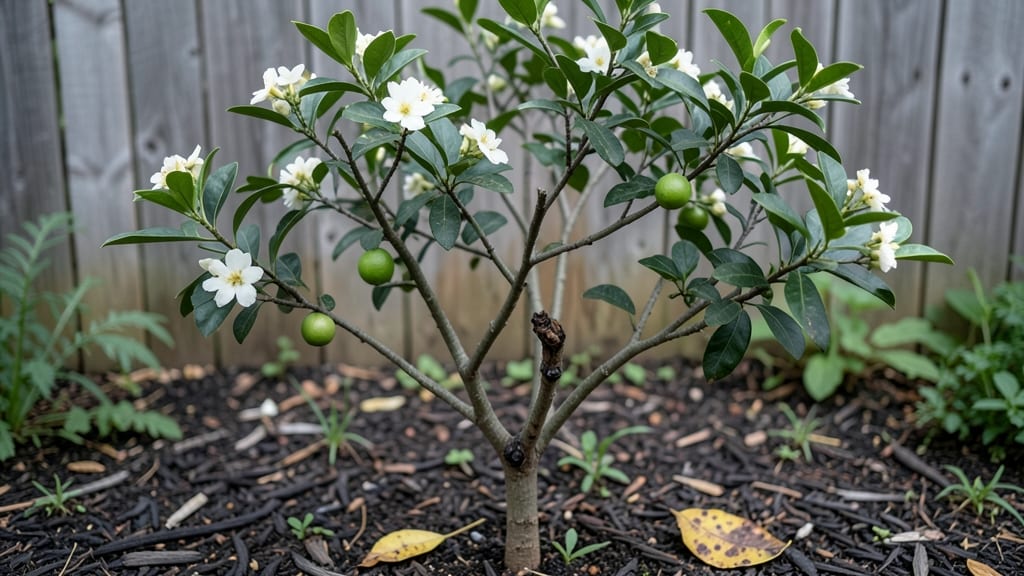
Spotting lime tree diseases early can save your tree—and I’ve seen what happens when you wait too long. 🌿 The first signs of trouble often appear as strange leaf spots, sticky sap, or sudden wilting, but without pictures to compare, it’s easy to miss the warning signs until it’s too late.
This guide breaks down the most common diseases with visual clues so you can act fast.
Citrus greening, anthracnose, and root rot are the top culprits, each with distinct symptoms like yellowing leaves, dark lesions, or mushy roots. I’ve treated all three, and the key is catching them before they spread.
Prevention starts with healthy soil, proper watering, and regular checks—especially after storms or extreme heat, when diseases strike hardest.
You’ll learn how to prune infected branches, apply the right treatments, and even save a tree that’s already showing signs. The difference between a struggling lime tree and a thriving one often comes down to knowing what to look for—and acting before the damage spreads.
Let’s get your tree back to its best.
Whether you’re dealing with a young sapling or a mature tree, these solutions work for all sizes. Early diagnosis isn’t just about fixing problems—it’s about keeping your tree alive and productive for years to come. Here’s how to spot the issues before they take over.
Root Causes Of Lime Tree Decline
Understanding why lime trees fall victim to diseases is the first step in protecting them. These issues often stem from a mix of environmental stress, microbial invaders, and human factors. Let’s break down the key culprits behind lime tree diseases and how they take hold.
🍄 Fungi are the most common pathogens affecting lime trees, thriving in warm, humid conditions. Here’s how they exploit vulnerabilities:
- Overwatering or Poor Drainage Fungal spores like Phytophthora (root rot) or Colletotrichum (anthracnose) flourish in soggy soil.
When lime trees sit in waterlogged conditions, their roots suffocate, creating entry points for fungi. Actionable fix: Ensure well-draining soil and avoid overwatering—stick your finger 2 inches into the soil before watering again.
- Weakened Tree Defense Stress from drought, nutrient deficiencies, or physical damage (like pruning wounds) weakens a tree’s natural barriers. Fungi like Botryosphaeria (dieback) seize the opportunity, infiltrating through compromised bark or leaves. Actionable fix: Prune during the dormant season, avoid over-fertilizing, and mulch to protect roots from temperature swings.
- High Humidity & Poor Airflow Lime trees in tight spaces or dense foliage trap moisture, creating the perfect fungal buffet.
Diseases like powdery mildew (white fungal growth) or rust (orange pustules) spread rapidly in these conditions. Actionable fix: Space trees 8–10 feet apart, prune for airflow, and water early in the day to allow foliage to dry.
🦠 Bacteria move quickly and can devastate lime trees within weeks. They often hitchhike on tools, insects, or wounds:
- Contaminated Pruning Tools Bacteria like Xanthomonas (citrus bacterial spot) or Pseudomonas (canker) spread via infected blades. Even a tiny cut can become a gateway. Actionable fix: Sterilize pruners with 70% isopropyl alcohol between cuts, and avoid pruning during wet weather.
- Insect Vectors Sap-sucking pests (e.g., citrus psyllids) transmit bacterial diseases like huanglongbing (HLB), which clogs a tree’s vascular system. Infected trees yellow rapidly and may die within years. Actionable fix: Monitor for pests, use reflective mulch to deter psyllids, and remove infected branches immediately.
- Storm or Hail Damage Physical trauma exposes fresh tissue, inviting bacteria to colonize. Cankers (sunken, oozing wounds) are a classic sign. Actionable fix: Seal wounds with pruning paint (for small cuts) and remove severely damaged limbs to prevent spread.
🌱 Lime trees need a balanced diet—without it, they become susceptible to secondary infections:
- Zinc or Iron Deficiency Yellowing between leaf veins (chlorosis) signals poor uptake of these micronutrients, weakening the tree’s immune response. Actionable fix: Conduct a soil test and amend with chelated zinc or iron sulfate if levels are low.
- Nitrogen Imbalance Too little nitrogen = stunted growth; too much = soft, disease-prone tissue. Actionable fix: Use a slow-release fertilizer (e.g., 6-6-6 NPK ratio) and avoid synthetic boosts mid-season.
- pH Imbalances Lime trees prefer slightly acidic soil (pH 6.0–7.0). Alkaline soil locks out essential nutrients, stressing the tree. Actionable fix: Test soil pH and add elemental sulfur (to lower pH) or peat moss (to acidify).
🌡️ Even without pathogens, lime trees can decline due to external pressures:
- Extreme Heat or Cold Sudden temperature swings (e.g., freezing nights or heatwaves) shock the tree, making it vulnerable to sunburn or cold damage. Actionable fix: Mulch heavily in winter, provide shade cloth in summer, and avoid planting in frost pockets.
- Poor Soil Quality Compacted, rocky, or salty soil restricts root growth, reducing the tree’s ability to absorb water and nutrients. Actionable fix: Amend soil with compost or gypsum (for clay soils) and avoid planting near concrete or asphalt.
- Water Stress Both drought and overwatering disrupt the tree’s physiology. Drought weakens roots, while excess water drowns them. Actionable fix: Water deeply 1–2 times per week (adjust for climate) and use drip irrigation to target roots.
Pro Tip: 💡 Early detection is key! Regularly inspect leaves, bark, and soil for signs of stress (e.g., discoloration, wilting, or unusual growths). When in doubt, consult a local arborist—some diseases (like HLB) require quarantine protocols to prevent spread.
Quick Fixes for Common Lime Tree Ailments
Reviving your lime tree starts with identifying the right cure for its specific struggle. Below, we’ve mapped out practical solutions for the most common diseases, along with prevention tips to keep your tree thriving. Think of this as your lime tree’s first-aid kit—simple, actionable, and designed to work!
🔥 Cause: Fungal spores (Colletotrichum spp.) thriving in wet, humid conditions.
👨🍳 How to Treat It:
- Prune the Problem 🔪
- Remove
- Bag and dispose of debris in the trash (not compost)—don’t let spores linger!
- Fungicide Spray (The Heavy Hitter) 💦
- Apply a
- Best time to spray: Early morning or late afternoon to avoid burning leaves.
- Improve Airflow 🌬️
- Thin out dense foliage to
- Space new lime trees 15–20 feet apart to prevent future crowding.
💡 Prevention Pro Tips:
- Water at the base (avoid overhead sprinkling).
- Mulch properly (2–4 inches of organic mulch, keeping it 6 inches away from the trunk).
- Clean up fallen leaves regularly—fungi love them!
🔥 Cause: Bacterial infection (Xanthomonas axonopodis) spreading through wounds or rain splash.
👨🍳 How to Treat It:
- Surgical Strike on Cankers ⚔️
- Cut out
- Sterilize tools between cuts with bleach (1 part bleach to 9 parts water) or alcohol.
- Copper Spray (Bacterial Blockade) 🛡️
- Spray
- Bonus: Add a sticky bait spray (like horticultural oil) to trap bacteria on leaves.
- Sanitize Everything 🧼
- Wash hands and tools with
- Avoid wounding the tree (e.g., rough pruning, improper harvesting).
💡 Prevention Pro Tips:
- Plant resistant varieties (e.g., ‘Meyer’ lime is slightly more tolerant).
- Avoid overhead watering—use drip irrigation.
- Monitor new growth—cankers often appear on young leaves first.
🔥 Cause: Overwatering or poor drainage leading to Phytophthora or Pythium fungi.
👨🍳 How to Treat It:
- Drainage Overhaul 🚿
- Amend the soil with sand or perlite (20–30%) to improve drainage. Test soil pH—lime trees prefer 6.0–7.0.
- Fungicide Soil Drench 🌱
- Apply a
- Repeat every 4–6 weeks until new growth appears.
- Prune for Survival ⏰
- Remove
- Avoid fertilizing—weak roots can’t handle nutrients yet.
💡 Prevention Pro Tips:
- Plant in well-draining soil (raise beds if needed).
- Use raised planters if your yard has heavy clay.
- Water deeply but infrequently—once a week in dry climates, less in rain.
🔥 Cause: Fungal spores (Elsinoë spp.) causing wart-like scabs on fruit and leaves.
👨🍳 How to Treat It:
- Remove Scabby Fruit & Leaves 🗑️
- Pick off
- Bag and trash to prevent spore spread.
- Sulfur or Copper Spray 🛡️
- Spray
- First spray: Apply before buds swell (early spring).
- Boost Tree Health 💪
- Prune for sunlight—scab thrives in shady, damp conditions.
💡 Prevention Pro Tips:
- Space trees properly (3–4 feet apart) for airflow.
- Avoid overhead irrigation—use drip systems.
- Clean tools after each use to prevent cross-contamination.
No matter the disease, strong trees fight better.
Follow these year-round habits to keep your lime tree resilient: - 🌿 Mulch correctly (2–4 inches, not touching the trunk). - 💧 Water deeply but less often (1–1.5 inches per week). - 🍃 Prune strategically (remove dead wood in late winter/early spring). - 🛡️ Monitor regularly—catch diseases early with weekly inspections.
✨ Final Tip: When in doubt, consult a local arborist—some diseases (like greasy spot) need targeted treatments. But with these fixes, your lime tree will be back to bearing sweet, disease-free fruit in no time! 🍋🌟
Frequently asked questions
What do lime tree disease spots look like in pictures?
Common lime tree diseases show distinct visual signs: anthracnose appears as dark, sunken spots with yellow halos on leaves, while citrus greening causes blotchy yellowing and stunted growth. Root rot reveals blackened, mushy roots and wilting foliage. Always compare suspicious symptoms against trusted plant disease databases or consult a local extension office for accurate identification.
Can I save my lime tree if it already has disease symptoms?
Yes, but early action is critical! For fungal diseases like anthracnose, prune infected branches immediately and apply copper fungicide. Bacterial issues require removing infected tissue and sterilizing tools. Root rot demands stopping watering, improving drainage, and using systemic fungicides. The key is catching problems before they spread systemically—most trees can recover with proper care.
How often should I inspect my lime tree for diseases?
Check your tree every 2 weeks during growing seasons (spring-fall) and monthly in winter. Focus on new growth, undersides of leaves, and the base of the trunk. Early detection is critical—some diseases like citrus greening can kill trees within 2-3 years if untreated. Keep a small camera or phone handy to document symptoms for comparison with disease databases.
Are there any natural remedies for lime tree diseases?
While no natural remedy replaces fungicides for severe infections, you can use neem oil (1 tsp per gallon of water) as a preventive spray for fungal diseases. Baking soda solution (1 tbsp baking soda + 1 tsp oil + 1 gallon water) can help with powdery mildew. For bacterial issues, natural options are limited—sterilization and removal of infected parts remain the most effective approaches.
Why do some lime trees get diseases while others stay healthy?
Healthy trees resist diseases better due to proper care: well-draining soil, balanced fertilization, and good airflow create unfavorable conditions for pathogens. Weak trees (from overwatering, poor nutrition, or stress) become easy targets. The difference often comes down to consistent maintenance—healthy trees can fight off 80% of potential infections naturally.