Diseases
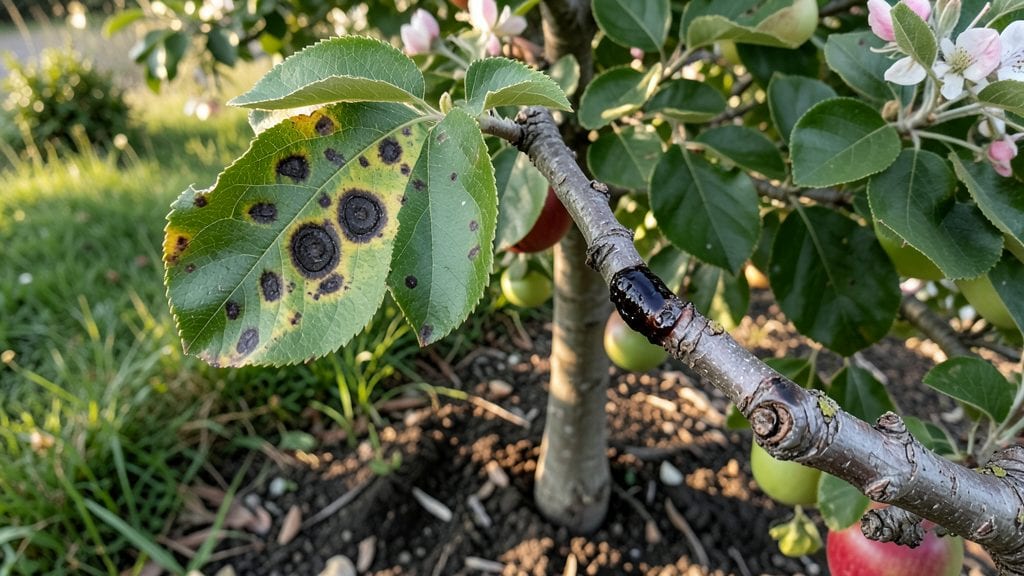
These apple tree diseases photos will help you spot the early signs before black spots on leaves become a full-blown blight—trust me, I’ve seen it happen when I ignored the warnings. 🍏 The key is knowing what to look for: scabby lesions, powdery mildew, or those telltale brown patches that start small but grow fast.
Most of these fungal problems thrive in damp, shady conditions, so proper spacing and airflow between trees make a huge difference. I’ve tested simple remedies like copper sprays and neem oil, but prevention—like pruning for sunlight—is the real game-changer.
The right treatment depends on whether you’re dealing with scab, rust, or mildew, each with its own distinct symptoms.
You’ll learn to identify each disease by its unique markings and textures—some look like velvet, others like cracked paint—and how to stop them before they weaken your tree.
With these visual clues, you’ll catch issues early, when they’re still manageable, and keep your orchard productive for years. Let’s get started with the most common culprits.
This guide works for backyard growers and orchard owners alike, whether you’re dealing with a single tree or a grove. The solutions are practical, tested, and designed to fit any scale. Now, let’s tackle those diseases before they tackle your harvest.
Root Causes Behind Tree Troubles
Understanding why apple trees fall prey to diseases is the first step in protecting your orchard. These issues rarely occur in isolation—they’re often the result of a perfect storm of environmental, biological, and human factors.
Let’s break down the key reasons your apple tree might be battling fungal blights, bacterial infections, or other ailments, so you can address the source, not just the symptoms.
Fungal diseases like apple scab, powdery mildew, and black rot thrive because they’re everywhere—literally. Fungi release microscopic spores into the air, which hitch rides on wind, rain, or even pollinators. Here’s how it works:
- Overhead Watering or Rain: 💦 Fungal spores splash onto leaves, fruits, and bark from infected debris or soil.
Apple scab, for example, spreads aggressively when leaves stay wet for more than 9 hours—a common issue in humid climates or after heavy irrigation. - Poor Air Circulation: 🌬️ Dense foliage or overcrowded trees trap moisture, creating a damp, warm microclimate that fungi love.
Prune strategically to improve airflow and reduce humidity near the canopy. - Infected Plant Debris: 🍂 Leaves, mummies (dried infected fruit), and twigs left on the ground act as spore factories. Fungi overwinter in this debris, then launch new infections the following spring.
Pro Tip: 🌡️ Monitor humidity with a hygrometer—aim for below 90% during growing seasons to discourage spore germination.
Bacterial diseases like fire blight (Erwinia amylovora) or bacterial spot (Xanthomonas) don’t just appear—they exploit wounds or stress in the tree. Here’s why they strike:
- Physical Damage: ⚔️ Pruning cuts, hail marks, or insect bites create entry points. Bacteria seep in through these openings, especially if tools aren’t sterilized (use 70% rubbing alcohol between cuts!). - Stress from Environmental Shocks: 🌡️ Extreme heat, drought, or frost weaken a tree’s defenses.
Fire blight, for instance, spreads faster in warm, rainy springs (60–80°F) when bacterial ooze (amyloid) oozes from cankers. - Contaminated Tools or Grafts: 🔄 If you’re grafting or pruning with unsterilized tools, you might unintentionally transfer bacteria from infected to healthy trees.
Action Step: 🛡️ Prune during dry weather and sterilize tools between cuts to block bacterial highways.
Diseases don’t happen in a vacuum—they’re often triggered by specific weather conditions. Pay attention to these red flags:
| Disease | Weather Trigger | Why It Matters |
|---|---|---|
| Apple Scab | Cool, wet springs (50–65°F + rain) | Spores germinate in moisture; ideal for scab’s Coniothyrium fungus. |
| Powdery Mildew | Warm, dry days + cool nights (70–85°F) | Fungi thrive in high humidity at night but need dry conditions to spread. |
| Black Rot | Humid summers with leaf wetness | Spores infect through stomata (leaf pores) when leaves stay damp overnight. |
| Fire Blight | Blooming season + rain (50–75°F) | Bacteria spread via insects or rain splash during blossom time. |
Pro Tip: 📅 Track your local weather and apply preventative fungicides before these conditions arise—don’t wait for symptoms!
A stressed apple tree is like an open invitation for pathogens. Common stressors include:
- Nutrient Deficiencies: 🍃 Lack of zinc or boron weakens cell walls, making trees susceptible to diseases like sooty blotch or flyspeck.
- Compacted or Poor Soil: 🏗️ Roots struggle to absorb water/nutrients, leading to drought stress—a prime target for opportunistic fungi.
- Improper Pruning: ❌ Over-pruning or heading back (cutting into old wood) creates wounds that heal poorly, inviting infections.
- Pests as Doorways: 🐜 Coding moths, aphids, or mites damage leaves, creating entry points for secondary infections.
Fix It: 💪 Test your soil (pH 6.0–7.0 is ideal for apples) and mulch properly (2–4 inches of organic mulch) to retain moisture and nutrients.
Sometimes, the problem is us. Common gardener blunders that invite diseases:
- Ignoring Cleanup: 🍂 Leaving mummified fruit or infected leaves on the ground = free spores for next season. - Overhead Irrigation: 💦 Watering from above splashes spores onto leaves (use drip irrigation instead). - Planting Susceptible Varieties: 🍎 Some apple cultivars (like ‘McIntosh’) are more prone to scab—choose resistant varieties if disease is rampant in your area. - Skipping Fungicide Timing: ⏰ Applying fungicides after infection sets in is too late.
Follow a 7–14 day spray schedule starting at pink bud stage.
Quick Fix: 🧹 Sanitize your tools, remove debris, and rotate fungicides to prevent resistance.
Fixing Apple Tree Diseases Step-by-Step
Now that you’ve identified the issue, let’s tackle those pesky apple tree diseases with practical, hands-on solutions. Whether it’s fungal blights, bacterial infections, or insect-related damage, early action is key to saving your tree—and your harvest!
Below, we’ve mapped out cause-specific fixes, complete with prevention tips to keep your orchard thriving for years.
Fungal infections like apple scab, powdery mildew, and black rot thrive in damp conditions. Here’s how to stop them in their tracks:
🔪 Prune Infected Branches
- Remove any leaves, fruits, or branches showing signs of fungus (yellow spots, black lesions, or fuzzy growth).
- Dispose of pruned material in the trash (not compost)—fungus can survive and reinfect.
- Sterilize pruners with rubbing alcohol (70% or higher) or a 10% bleach solution between cuts.
💦 Apply Fungicides at the Right Time
- Preventative sprays (like copper fungicide, neem oil, or sulfur-based sprays) should be applied before symptoms appear, ideally in early spring (before buds swell) and after rain.
- Cure sprays (for active infections) work best when applied at dawn or dusk to avoid burning leaves. Repeat every 7–14 days until the issue resolves.
- Organic option? Mix 1 tbsp baking soda + 1 tsp horticultural oil + 1 gallon water + a drop of dish soap for a DIY spray.
🌡️ Improve Air Circulation & Reduce Moisture
- Thin out dense branches to allow sunlight and airflow.
- Water at the base (not overhead) to keep foliage dry.
- Mulch with wood chips or straw (not leaves) to deter fungal spores from splashing up.
💡 Pro Tip: If fungal diseases keep recurring, consider resistant apple varieties like Liberty or Enterprise—they’re bred to fight common blights!
Bacterial infections like fire blight or bacterial spot spread quickly and can kill trees if untreated. Act fast with these steps:
🧼 Sterilize Tools & Work Areas
- Disinfect pruners, loppers, and gloves with bleach or alcohol before and after use.
- Clean up fallen leaves and fruit mummies—they harbor bacteria.
- Avoid overhead irrigation to prevent splashing bacteria onto wounds.
🔥 Prune Strategically (But Carefully!)
- Cut 6–12 inches below the infected area (bacteria can lurk in the wood).
- Seal pruning wounds with pruning paint or wax to prevent entry.
- Burn or bag infected branches (do not compost them).
🛡️ Use Copper-Based Bactericides
- Copper fungicides (like Bordeaux mixture) are effective against fire blight. Apply before blossoms open and after harvest.
- Avoid antibiotics—they don’t work on plants and can harm soil microbes.
⚠️ Warning: If fire blight strikes, remove the entire tree if it’s severely infected to prevent spread to other fruit trees.
Pests like apple maggots, codling moths, and aphids weaken trees, making them susceptible to disease. Here’s how to evict them:
🕷️ Use Physical Barriers & Traps
- Fruit tree bags (for codling moths) cover apples to block egg-laying.
- Pheromone traps lure male codling moths away from females.
- Row covers (lightweight fabric) protect young trees from aphids and maggots.
💦 Spray Natural Pesticides
- Neem oil (disrupts insect life cycles—spray every 7–10 days).
- Insecticidal soap (kills aphids and mites on contact).
- Kaolin clay (creates a barrier that repels pests—safe for organic gardens).
🌿 Encourage Beneficial Insects
- Ladybugs, lacewings, and parasitic wasps eat aphids and mites. Buy them or create a bee bath (shallow dish of water with pebbles) to attract them.
- Plant companion flowers like dill, fennel, or marigolds near your apple tree to draw in predator insects.
🎯 Pro Tip: Timing is everything! Spray pesticides early morning or late evening to avoid harming bees and other pollinators.
The best defense is a strong, healthy tree. Follow these year-round tips to minimize future outbreaks:
| Season | Prevention Task | How to Do It |
|---|---|---|
| Winter | Clean up debris | Rake and remove fallen leaves/fruit. |
| Early Spring | Prune & apply dormant oil | Cut back dead wood; spray oil to smother overwintering pests. |
| Bloom Time | Spray preventive fungicides | Use copper or sulfur-based sprays before petals fall. |
| Summer | Monitor & thin fruit | Pick up dropped apples; thin fruit to improve airflow. |
| Fall | Test soil & fertilize | Add compost or balanced fertilizer (10-10-10) to boost tree health. |
Final Thought: 🌟 Healthy trees fight diseases better! Focus on proper pruning, sanitation, and soil care, and your apple tree will stay resilient. If in doubt, consult a local arborist—they can provide tailored advice for your climate.
Now grab your gloves and get to work—your future harvest depends on it! 🍏🌿
Frequently asked questions
Why do some apple tree disease photos show powdery white spots while others have dark, cracked-looking lesions?
Those differences highlight two common fungal issues: powdery mildew creates the chalky white coating (like dust on leaves), while apple scab produces dark, olive-green spots that later crack and turn black. The mildew thrives in warm, dry conditions, while scab loves cool, wet springs—both need completely different treatment approaches.
Can I use the same fungicide spray for all apple tree diseases, or do I need different products?
No, you shouldn’t mix treatments! Copper-based sprays work for fire blight and scab, while sulfur controls powdery mildew—but never combine them (they react and harm leaves). For organic gardens, neem oil helps with mildew and some fungal issues, but always check labels for specific pathogens. Rotate products annually to prevent resistance.
How can I tell if my apple tree's brown spots are from disease or just sunburn?
Disease spots usually appear on both sun-exposed and shaded leaves, while sunburn only affects leaves getting direct afternoon sun. Check for other symptoms: scab creates raised bumps, mildew has a fuzzy texture, and sunburn leaves crispy, dry edges. Also, disease often starts on lower leaves first, while sunburn hits upper canopy leaves.
Is it safe to compost leaves with fungal diseases like apple scab?
Never compost infected leaves or fruit! Fungal spores survive composting and can reinfect your trees. Instead, bag them in sealed plastic and throw them in the trash. The same goes for mummified apples—these act as spore factories for next year's infections. Always clean up thoroughly after harvest season.
What's the fastest way to confirm if my tree has fire blight versus another bacterial disease?
Look for shepherd's crook branches (blackened, wilted tips) and oozing bacterial slime (amyloid) on cankers. Fire blight also creates dark, glossy lesions on leaves that curl upward. For confirmation, send a sample to your local extension office—they can test for specific pathogens. Early diagnosis is critical to prevent spread.