
Trees
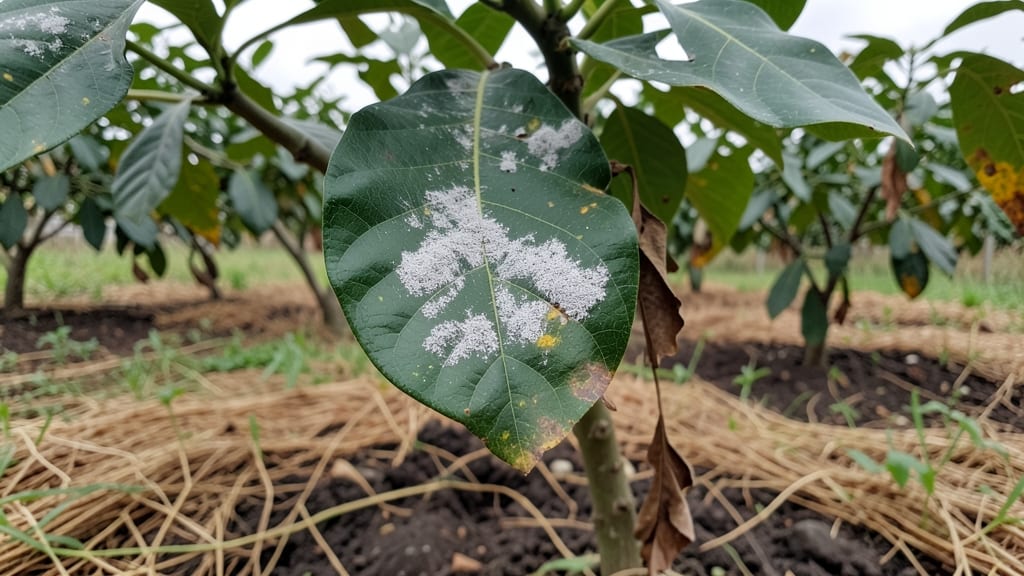
Mango trees battling fungus can feel like fighting a losing battle—but I’ve saved mine every season with a few targeted moves. 🌿 The first step is spotting the culprit: anthracnose leaves dark brown spots, while powdery mildew coats branches in white fuzz.
Both spread when humidity stays high or rain washes spores everywhere.
Most gardeners panic and reach for harsh chemicals, but the real fix starts with airflow and cleanliness. Prune crowded branches to improve circulation, remove infected leaves immediately, and space trees at least 15 feet apart.
A quick spray of neem oil or baking soda mix (1 tablespoon per quart of water) stops new infections in their tracks.
By mid-summer, your tree will look like it’s never been sick—thick, glossy leaves and fruit that ripens without blemishes. The key is acting fast: catch fungus early, and you’ll avoid the heartbreak of dropping fruit or stunted growth.
Prevention is easier than cleanup, so keep an eye out for those first warning signs.
Hot, humid climates? Double down on preventive sprays every 2-3 weeks during rainy seasons. Cold snaps? Fungus waits—so don’t skip winter sanitation. With these steps, your mango tree stays strong all year, producing fruit that’s the envy of the neighborhood.
Root Causes of Tree Fungus
Fungal infections in mango trees don’t just appear out of nowhere—they’re the result of a perfect storm of environmental, biological, and sometimes human factors. Understanding these root causes is the first step to preventing and treating them effectively.
Below, we break down the most common reasons why fungal diseases take hold in your mango grove, along with the science behind each one.
Fungi thrive in damp, humid conditions, and mango trees are particularly susceptible when their roots or foliage stay wet for prolonged periods. Here’s why:
- Overwatering or Heavy Rainfall: Mango trees prefer well-drained soil, but when roots sit in soggy conditions (especially during monsoons or poor drainage), fungal spores like Anthracnose or Powdery Mildew latch onto the plant.
These spores germinate and infect leaves, stems, or fruit within 24–48 hours of prolonged moisture. - Fungal Spores Love Humidity: Many mango tree fungi (e.g., Colletotrichum for fruit rot) release spores that float in humid air.
If relative humidity stays above 85% for more than 12 hours, spores land on the tree and infect it. This is why fungal outbreaks spike after rainy seasons. - Poor Air Circulation: Dense foliage or crowded trees trap moisture, creating a microclimate perfect for fungi.
Stagnant air prevents leaves from drying quickly, extending the window for infection.
Actionable Fix: Improve drainage with raised beds or sand amendments, space trees 15–20 feet apart, and prune for airflow. Use drip irrigation instead of overhead watering to keep foliage dry.
A healthy mango tree has natural defenses—its waxy leaf cuticle, antimicrobial compounds, and robust root system—but stress weakens these barriers. Common stressors include:
- Nutrient Deficiencies: Lack of potassium, phosphorus, or zinc reduces the tree’s ability to produce antifungal compounds.
For example, zinc deficiency (visible as yellowing between leaf veins) makes trees 3x more susceptible to Powdery Mildew. - Physical Damage: Pruning wounds, insect bites (e.g., from mango hoppers), or hail scars create entry points for fungi.
The Fusarium wilt fungus, for instance, invades through root injuries caused by poor grafting or cultivation practices. - Environmental Stress: Extreme heat, cold snaps, or sudden drought shocks the tree, lowering its resistance. Fungi like Botryosphaeria exploit this weakness to cause dieback or canker diseases.
Actionable Fix: Conduct a soil test every 2 years and amend with compost or balanced fertilizers (e.g., 10-10-10 NPK). Apply copper-based fungicides as a preventive spray after pruning to seal wounds.
Fungal spores are persistent—they can survive in soil, tools, or even old tree debris for years. Here’s how they spread:
- Reused Pruning Tools: If shears or saws are used on an infected tree and then on a healthy one, spores hitch a ride. Phytophthora (a water mold) can survive on tools for up to 3 months in moist conditions. - Infested Mulch or Compost: Old leaves, fruit husks, or untreated wood chips left near the tree act as spore reservoirs.
For example, Anthracnose spores overwinter in fallen mango leaves and reinfect the tree the next season. - Contaminated Water Sources: Irrigation water from ponds or streams may carry fungal zoospores (mobile spore forms of Phytophthora).
Even rainwater collecting in low-lying areas can become a breeding ground.
Actionable Fix: Sterilize tools with 70% isopropyl alcohol or a 10% bleach solution between uses. Remove and burn or compost (at high heat) all fallen leaves and fruit debris. Use sterile potting mix for new plantings.
Some fungi don’t act alone—they team up with insects to colonize mango trees. Here’s how:
- Sap-Sucking Insects: Mango hoppers, mealybugs, and scale insects create honeydew (a sugary excretion) that attracts sooty mold fungi (Capnodium).
This black, powdery fungus coats leaves, blocking sunlight and weakening the tree. - Boring Insects: Mango stem borers (Batocera rufomaculata) tunnel into branches, creating wounds that Botryosphaeria or Diplodia fungi exploit to cause cankers or dieback. - Fruit-Fly Damage: Mango fruit flies lay eggs in ripe fruit, and their larvae create entry points for Colletotrichum (the cause of mango anthracnose).
Actionable Fix: Introduce beneficial insects (e.g., ladybugs for mealybugs) or use neem oil sprays to deter pests. Apply sticky traps for fruit flies and remove infested fruit immediately.
Fungi have optimal temperature ranges for growth, and mango trees face peak risk during specific seasons:
| Fungus | Ideal Temperature | Seasonal Risk Period | Why It Thrives |
|---|---|---|---|
| Anthracnose | 25–30°C (77–86°F) | Monsoon (June–September) | High humidity + warm nights = rapid spore germination. |
| Powdery Mildew | 20–25°C (68–77°F) | Spring (March–May) | Cool nights + dry days create stress. |
| Fusarium Wilt | 28–32°C (82–90°F) | Hot, dry summers (April–June) | Soil moisture drops, roots become vulnerable. |
| Phytophthora | 20–28°C (68–82°F) | Post-rainy season (October) | Waterlogged soil + mild temps = perfect storm. |
Actionable Fix: Monitor weather forecasts and apply preventive fungicides (e.g., copper fungicide for Anthracnose) 7–10 days before the monsoon starts. Use mulch to regulate soil temperature in extreme heat.
Neglecting hygiene in and around mango orchards is like leaving the door open for fungi. Key oversights include:
- Not Removing Infected Fruit/Leaves: A single mango with Anthracnose can release thousands of spores per day. Left on the ground, these spores infect nearby trees or even germinate into new fungal colonies. - Replanting in Old Orchard Spots: Fungal spores persist in the soil for years.
Planting new mango trees in the same location without soil solarization (covering soil with plastic to heat-kill pathogens) risks reinfection. - Cross-Contamination from Nurseries: Buying saplings from infected nurseries introduces fungi like Verticillium wilt into your grove. Always inspect roots and stems for black streaks or discoloration before purchasing.
Actionable Fix: Practice crop rotation (avoid planting mangoes in the same spot for 3+ years). After harvest, solarize soil for 4–6 weeks or apply biofungicides (e.g., Trichoderma strains) to suppress pathogens.
Quick Fixes for Tree Fungus
Fungal infections in mango trees can be frustrating, but with the right approach, you can restore your tree’s health and prevent future outbreaks. Below are practical, step-by-step solutions tailored to the most common causes—from overwatering to poor air circulation—along with prevention tips to keep your mango tree thriving.
Cause: Colletotrichum fungus thrives in wet, humid conditions, often spreading through rain or splashing water.
How to Fix It: 🔥 Prune Infected Branches – Use sterilized pruners (wipe with rubbing alcohol between cuts) to remove branches with dark, sunken lesions. Dispose of them in a sealed bag, not in your compost pile.
🍳 Apply Fungicide – Spray a copper-based fungicide (like Bordeaux mixture) or a neem oil solution (2 tbsp neem oil + 1 tsp mild soap per liter of water) every 7–10 days during rainy seasons.
👨🍳 Improve Airflow – Thin out dense foliage to allow sunlight and air to circulate. Avoid overhead watering—use drip irrigation instead.
⏰ Timing Matters – Apply fungicides preventively before the monsoon season starts.
💡 Prevention Tip:
- Space trees properly (15–20 ft apart) to reduce humidity buildup.
- Harvest fruit promptly—ripe, fallen mangoes can harbor spores.
Cause: Oidium fungus loves shady, humid environments and weakens leaves, reducing photosynthesis.
How to Fix It: 🔥 Clean the Tree – Gently wipe leaves with a soft cloth dampened in neem oil or baking soda solution (1 tsp baking soda + 1 tsp soap + 1 liter water).
🍳 Spray Fungicides – Use sulfur-based sprays (for organic gardens) or potassium bicarbonate (1 tbsp + 1 tsp soap per gallon of water). Reapply every 7–10 days until symptoms fade.
👨🍳 Boost Sunlight & Airflow – Trim nearby trees or structures casting shade. If growing in containers, move them to a sunnier spot.
⏰ Prevent Recurrence – Apply preventive sprays in early spring before humidity spikes.
💡 Prevention Tip:
- Avoid nitrogen-heavy fertilizers—they promote lush, fungus-prone growth. Use a balanced 10-10-10 or organic compost instead.
Cause: Waterlogged soil or poor drainage creates the perfect breeding ground for root-rotting fungi.
How to Fix It: 🔥 Drain the Soil – If your tree is in a container, add perforations and use a well-draining mix (coconut coir + perlite + sand). For in-ground trees, raise the soil level slightly to improve drainage.
🍳 Fungicidal Soil Drench – Mix 1 tbsp copper fungicide in a gallon of water and pour it at the base of the tree. Repeat every 4 weeks until the tree recovers.
👨🍳 Adjust Watering Habits – Water deeply but infrequently (1–2 times per week, depending on climate). Avoid standing water—ensure the planting area has a slope for runoff.
⏰ Long-Term Fix – If the tree is severely infected, replace the top 6 inches of soil with fresh, sterile potting mix.
💡 Prevention Tip:
- Mulch properly—use wood chips (not fresh sawdust) 2–3 inches thick, keeping it 6 inches away from the trunk to prevent moisture buildup.
Even if your tree isn’t showing symptoms yet, proactive care can save it from future infections.
| Step | Action | Frequency |
|---|---|---|
| Inspect Regularly | Check leaves, stems, and roots for discoloration, spots, or mold. | Every 2 weeks |
| Sanitize Tools | Wipe pruners with rubbing alcohol before and after use. | Before each use |
| Fertilize Smartly | Use phosphorus-rich fertilizers (like bone meal) to strengthen roots. | Every 3 months (spring-fall) |
| Encourage Beneficials | Introduce ladybugs or predatory mites to control fungus-loving pests. | Seasonally |
🌡️ Pro Tip:
- Morning watering (before 10 AM) reduces fungal spores’ overnight growth.
- Avoid wetting leaves—direct watering at the base minimizes fungal spread.
By acting fast and strategically, you can reverse fungal damage and protect your mango tree for years to come. 🌿✨
Frequently asked questions
What are the first signs of fungus on my mango tree?
Watch for dark brown or black spots on leaves (anthracnose), white powdery patches (powdery mildew), or sunken lesions on fruit. Early symptoms often appear as yellowing between leaf veins or sticky residue from honeydew-producing pests. Catching these signs early is key to stopping spread.
Can I save my mango tree if it already has fungus?
Yes, but act fast! Prune infected branches immediately with sterilized tools, apply a copper fungicide spray, and improve airflow by thinning dense foliage. For severe cases, consider a soil drench with neem oil or potassium bicarbonate. Prevention is easier than cleanup, so don't wait until symptoms worsen.
How often should I spray fungicide on my mango tree?
For prevention, spray every 2-3 weeks during rainy seasons or high-humidity periods. If treating an active infection, apply weekly until symptoms disappear, then switch to monthly maintenance sprays. Always use early morning applications to maximize effectiveness and avoid wetting leaves.
Is neem oil safe for all types of mango tree fungus?
Neem oil works well against many common fungi like powdery mildew and anthracnose, but it may not fully eliminate severe infections like Phytophthora root rot. For stubborn cases, combine neem with copper fungicide or potassium bicarbonate. Always test on a small area first to check for sensitivity.
Why does my mango tree keep getting fungus even after treatment?
Persistent fungus often means spores remain in your environment. Check for these common causes: reusing contaminated tools, leaving infected debris on the ground, or poor airflow from crowded planting. Sterilize tools between uses, remove all infected plant material, and improve spacing between trees for better circulation.