Light Requirements
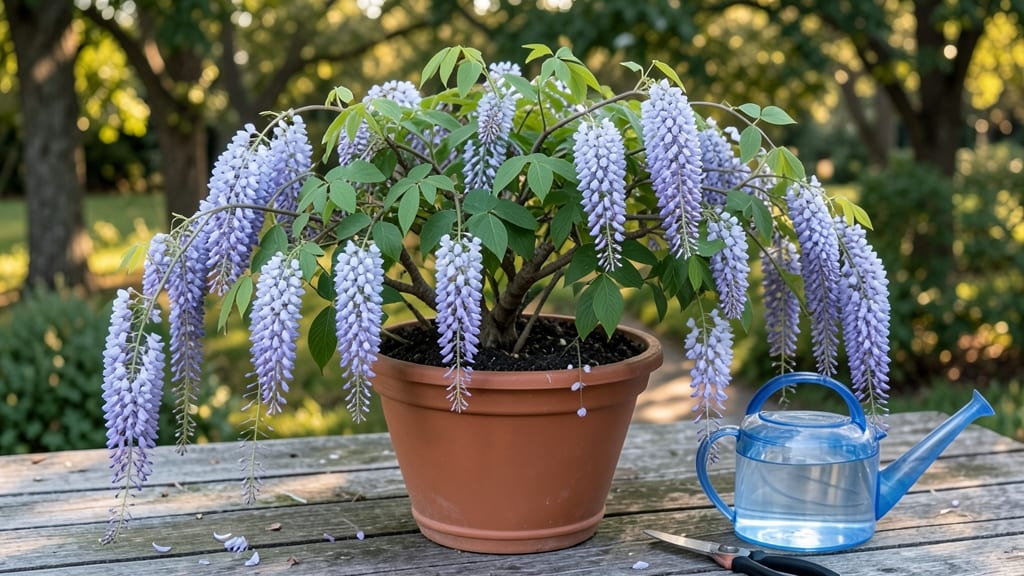
Light purple trees like the Royal Purple Smokebush (Cotinus coggygria) or Purple Leaf Plum (Prunus cerasifera) thrive in full sun and well-drained soil, growing 10–20 feet tall with striking foliage. Their vibrant hue fades slightly in winter but regrows annually. Prune in late winter to maintain shape and encourage denser growth.
A light purple tree's color comes from anthocyanin pigments, which react to sunlight and temperature. These trees need at least 6 hours of direct sun daily to maintain their rich hue, though some varieties tolerate partial shade.
The Royal Purple Smokebush, for example, deepens its color in cooler weather, while others like the Purple Leaf Plum may shift to greenish tones in extreme heat. 🌿 Evergreens like Purple Beech retain their color year-round, while deciduous types shed their leaves in winter but regrow vibrant foliage each spring.
For small gardens, fast-growing varieties like Dwarf Lilac or Lavender Mist Ninebark are ideal—they reach 6-8 feet tall in just 3-5 years. These compact trees thrive in containers too, making them perfect for patios or balconies.
Pair them with silver foliage plants like lamb's ear to create stunning color contrasts. Regular pruning in late winter not only shapes the tree but also stimulates new growth, keeping those purple leaves bold and healthy.
💡 In This Article
- How Light Purple Trees Get Their Color
- Fastest-Growing Light Purple Trees for Small Gardens
How light purple trees get their color
The vibrant purple hues in trees like the Royal Purple Smokebush come from anthocyanin pigments, water-soluble compounds that act as natural sunscreens for leaves.
These pigments absorb harmful ultraviolet light while reflecting blue and green wavelengths, creating that signature purple appearance. 🌿 The intensity of the color depends on sunlight exposure—more direct light triggers higher anthocyanin production, which is why these trees thrive in full sun.
For example, a Purple Leaf Plum exposed to 6+ hours of direct sunlight daily will develop deeper purple foliage compared to one in partial shade.
Soil pH plays a surprising role too. Anthocyanins thrive in slightly acidic to neutral soils (pH 6.0-7.0), where they remain stable. In alkaline soils (pH 7.5+), the pigments can break down, causing the leaves to appear more greenish.
This is why gardeners often amend soil with compost or sulfur to maintain the ideal pH range. Temperature also affects color—cooler spring and fall temperatures enhance anthocyanin production, which is why many purple trees appear most vibrant during these seasons.
Evergreen purple trees like the Purple Beech maintain their color year-round because their leaves contain persistent anthocyanins that don't degrade with seasonal changes. Deciduous varieties, however, lose their leaves in winter, but their buds already contain the pigments needed to regrow vibrant foliage in spring.
The key difference is that evergreens rely on continuous pigment production, while deciduous trees "reset" their color palette annually through bud formation. 🌸
Light intensity matters more than you might think. Trees in high-altitude gardens or northern climates often develop more intense purple hues because the shorter growing season and lower UV levels trigger stronger pigment production as a protective mechanism.
In contrast, trees in hot, low-lying areas may produce lighter purple or even green-tinged leaves due to heat stress. This explains why the same variety can look dramatically different in different climates.
Here's a quick comparison of how different factors influence color:
- Sunlight: 6+ hours of direct sun = deeper purple; partial shade = lighter hue
- Temperature: Cooler weather (50-70°F) enhances color; extreme heat (> 90°F) can fade it
- Soil pH: 6.0-7.0 = vibrant purple; 7.5+ = greenish tint
- Tree Type: Evergreens retain color year-round; deciduous trees regrow annually
What most gardeners don't realize is that the purple color isn't just about aesthetics—it's a survival strategy. These pigments help protect leaves from photooxidative damage, which is why trees in stressful environments (like urban areas with pollution) often develop more intense purple foliage as a natural defense mechanism. 💫