Trees
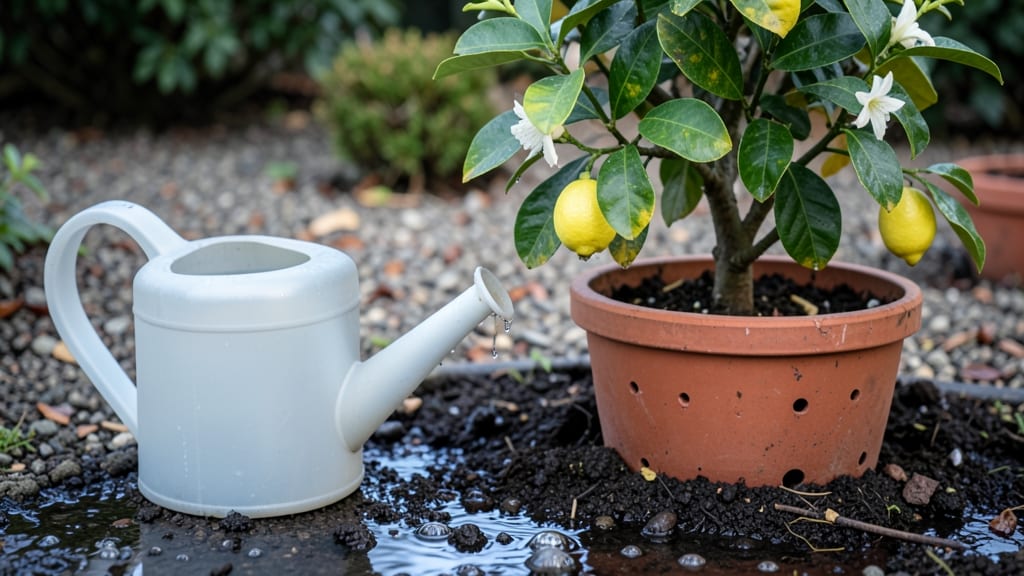
When your lemon tree’s leaves start drooping like a sad balloon, overwatering is often the culprit—and the fix is simpler than you think. 🌱 I’ve nursed back more than a few soggy citrus trees by focusing on three key moves that stop the rot and get those branches perky again.
The real damage happens underground, where waterlogged roots suffocate and can’t absorb nutrients. Yellowing leaves, moldy soil, and a musty smell are all red flags. The good news? You can turn this around in days by adjusting your watering schedule and improving drainage—no fancy tools required.
Within a week, you’ll see new growth pushing through, leaves regaining their glossy green, and the tree standing tall again. The secret isn’t complicated: let the top 2 inches of soil dry out between waterings, and give those roots some breathing room.
This works for both potted and in-ground lemon trees, and the same principles apply to other citrus like limes and oranges. Once you’ve got the watering right, your tree will reward you with fragrant blooms and juicy fruit for years.
Root Causes Of Overwatering
When your lemon tree starts looking sad—drooping leaves, yellowing foliage, or even root rot—it’s often a sign you’ve been giving it too much love in the form of water. But why does this happen?
Overwatering isn’t just about pouring too much water at once; it’s a mix of environmental, soil, and human factors working together. Let’s break down the science behind why your lemon tree might be drowning instead of thriving.
Lemon trees, like most citrus varieties, hate soggy feet. If your pot lacks proper drainage holes or your garden soil retains water like a sponge, excess moisture lingers around the roots. Here’s why this is dangerous:
- Oxygen Deprivation: Roots need oxygen to breathe. When soil stays waterlogged, oxygen is displaced, suffocating the roots and preventing them from absorbing nutrients.
- Fungal Growth: Stagnant water creates the perfect breeding ground for Phytophthora and other root-rotting fungi. These pathogens attack the root system, cutting off the tree’s ability to uptake water and nutrients—even if you stop overwatering.
- Salt Buildup: Over time, dissolved minerals in water accumulate in the soil. If drainage is poor, these salts concentrate around the roots, further stressing the plant (osmotic stress), making it harder for the tree to absorb moisture.
Actionable Fix: If your lemon tree is in a pot, ensure it has 4-6 drainage holes at the bottom. For in-ground plantings, amend heavy clay soil with perlite, coarse sand, or gravel to improve aeration. 💡 Pro Tip: Elevate pots on feet or saucers to prevent water from pooling underneath.
Many gardeners assume that watering every day or at set times is the key to a happy lemon tree. But citrus trees are drought-tolerant once established, and rigid schedules can backfire. Here’s how timing becomes a problem:
- Ignoring Soil Moisture: Watering based on a calendar (e.g., “every 3 days”) doesn’t account for humidity, temperature, or rainfall. Lemon trees need water when the top 1-2 inches of soil are dry—not on a fixed timeline.
- Overcompensating for Dry Spells: If your tree looks wilted, you might drown it in an attempt to revive it. But citrus trees often wilting is a survival mechanism—they close their stomata to conserve water. A deep watering can shock the system if the roots are already struggling.
- Night Watering: Watering at night keeps moisture trapped in the foliage longer, increasing the risk of fungal diseases like leaf spot or powdery mildew, which thrive in damp conditions.
Actionable Fix: Use the finger test: Stick your finger 1-2 inches into the soil. If it’s dry, water deeply until it drains from the bottom. For potted trees, water until 20-30% of the water runs out the drainage holes. 🌡️ Pro Tip: Water in the early morning to allow foliage to dry before evening.
Your lemon tree isn’t just reacting to how much you water it—it’s also responding to its surroundings. Certain conditions can make overwatering even more harmful:
| Factor | Why It Matters | Solution |
|---|---|---|
| 🌡️ Low Temperatures | Cold soil slows root activity, making it harder for the tree to process excess water. Roots can rot faster in chilly conditions. | Move potted trees indoors or to a sheltered spot if temperatures drop below 50°F (10°C). |
| ☔️ High Humidity | Humid air reduces evaporation, so soil stays wet longer. Combined with poor drainage, this creates a perfect storm for root rot. | Improve airflow with a fan or prune dense foliage. Use well-draining soil mixes. |
| 🌞 Shade Without Sunlight | Lemon trees need 6-8 hours of sunlight to photosynthesize and regulate water uptake. Shady trees rely on roots to store more water, making them vulnerable to overwatering. | Ensure your tree gets full sun. If indoors, use grow lights. |
Actionable Fix: Monitor your tree’s environment. If you notice yellowing leaves with green veins (a classic overwatering sign) paired with cold or humid conditions, adjust watering immediately and check for root health. ✨ Pro Tip: Mulch around the base of the tree (but not touching the trunk) to regulate soil temperature and reduce evaporation.
Not all soil is created equal. If your lemon tree is planted in heavy, compacted, or nutrient-poor soil, it’s more susceptible to overwatering because:
- Clay Soil: Holds water like a sponge, suffocating roots and preventing oxygen flow. Even if you water “lightly,” the soil stays soggy for days.
- Peat-Heavy Soil: Retains moisture but breaks down over time, leading to waterlogging and nutrient loss.
- Lack of Organic Matter: Soil without compost or perlite can’t drain well, leading to poor root development and waterlogging.
Actionable Fix: Lemon trees thrive in well-draining, slightly acidic soil (pH 6.0-7.0). For pots, use a mix of:
- 50% cactus/succulent mix
- 30% perlite or pumice
- 20% compost or worm castings
For in-ground plantings, amend the soil with coarse sand, bark chips, or coconut coir to improve drainage. 🔥 Pro Tip: Repot overwatered trees into fresh, dry soil to give the roots a chance to recover.
Reviving Your Overwatered Lemon Tree
If your lemon tree is suffering from too much water, don’t panic—it’s often reversible with the right care. The key is to correct the watering habits, improve drainage, and support recovery while preventing future issues.
Below, we break down the most common causes of overwatering and the practical fixes to bring your tree back to health.
When soil stays waterlogged, roots suffocate, leading to yellowing leaves, wilting, and even root rot. If your lemon tree is planted in heavy clay or a container without drainage holes, excess moisture becomes trapped.
🔧 Fix: Drainage First, Then Adjust Watering
- 🌱 Check the Soil
- Stick your finger 2–3 inches deep into the soil. If it’s damp or sticky, hold off on watering.
- For potted trees, lift the pot—if it’s heavier than usual, it’s overwatered.
- 🏗️ Improve Drainage (For Pots)
- Add a 2–3 inch layer of gravel or perlite at the bottom of the pot before repotting.
- Use a well-draining potting mix (50% cactus/succulent mix + 50% regular soil + perlite).
- 💦 Water Only When Necessary
- Wait until the top 1–2 inches of soil are dry before watering again.
- Water deeply but less frequently—aim for once every 7–10 days (adjust for climate).
- 🌿 Repot If Needed
- If the roots are circling or mushy, repot into a larger container with fresh, dry soil.
💡 Pro Tip: If your tree is in the ground, consider amending the soil with compost or sand to improve aeration.
Heavy, dense soil (like clay) doesn’t allow excess water to escape, leading to root stress. Over time, this can cause leaf drop and stunted growth.
🔧 Fix: Loosen Soil & Boost Aeration
- 🏜️ Aerate the Soil (For Ground-Planted Trees)
- Gently loosen the top 6 inches of soil around the tree with a fork or trowel.
- Mix in organic matter like compost or coconut coir to improve structure.
- ⚡ Use Mulch to Regulate Moisture
- Apply a 2–3 inch layer of mulch (wood chips, straw, or bark) around the base (keep it 3–4 inches away from the trunk).
- Mulch helps evaporate excess moisture while retaining humidity for roots.
- 🌡️ Monitor Soil Temperature
- Overwatering in cold or wet climates worsens root rot. If possible, plant in a sheltered, sunny spot with good airflow.
💡 Pro Tip: If your soil is extremely compacted, consider raising the tree in a slightly elevated bed (like a mound) to prevent water pooling.
Many gardeners wait too long to act when they see yellow leaves, mushy stems, or a foul smell from the soil—by then, root damage may be severe.
⚡ Fix: Act Fast with These Emergency Steps
- 🚨 Stop Watering Immediately
- Let the soil dry out completely before watering again.
- 🌱 Prune Damaged Leaves & Roots (If Needed)
- Remove yellow or brown leaves to redirect energy to healthy growth.
- If roots are black, mushy, or smell rotten, trim them with sterilized scissors and repot in fresh soil.
- 💧 Use a Moisture Meter (For Precision)
- Invest in a soil moisture meter to avoid guesswork. Aim for 40–60% moisture in the root zone.
- 🍄 Apply Fungicide (For Root Rot)
- If root rot is suspected, treat with a copper-based fungicide or hydrogen peroxide spray (1 part peroxide to 4 parts water).
✨ Prevention Tip: After recovery, water only in the morning so excess moisture evaporates during the day.
Once your lemon tree recovers, follow these habits to prevent overwatering for good:
- ⏰ Water on a Schedule – Stick to a consistent routine (e.g., every 7–10 days in summer, less in winter).
- 🌞 Choose the Right Spot – Lemon trees need 6+ hours of sunlight and well-draining soil.
- 📏 Use the Right Pot Size – If potted, ensure the container has drainage holes and isn’t too large (roots need room to dry out).
- 🌧️ Adjust for Weather – Reduce watering during rainy seasons or high humidity.
With these fixes, your lemon tree should bounce back within 4–8 weeks. Keep an eye on its progress, and soon, you’ll be enjoying juicy lemons instead of drooping leaves! 🍋🌱
Frequently asked questions
How do I know if my lemon tree is overwatered vs. underwatered?
Check the leaves and soil: overwatered trees have yellowing leaves with green veins, drooping foliage, and soil that stays soggy or smells musty. Underwatered trees show crispy brown edges, dry soil pulling away from the pot, and leaves that feel papery. Stick your finger 2 inches deep—if damp, you're overwatering; if bone-dry, underwatering.
Can I save a lemon tree with root rot from overwatering?
Yes, but act fast! Stop watering immediately and check roots—if they're black/mushy, trim the damaged parts with sterilized scissors. Repot in fresh, dry cactus/succulent mix with perlite. For severe cases, use a copper fungicide or hydrogen peroxide solution (1:4 ratio) to kill fungi. Recovery takes 4-8 weeks with proper care.
Why does my lemon tree need drainage holes if I water it carefully?
Even careful watering can't prevent root suffocation. Without drainage, excess water pools at the bottom, cutting off oxygen to roots. Lemon trees need 4-6 holes per pot to release water completely. For in-ground trees, amend clay soil with perlite or coarse sand to mimic drainage. Think of it like breathing—roots need air too!
How often should I water my lemon tree after fixing overwatering?
Wait until the top 2 inches of soil are completely dry—this could be 7-10 days in summer or 2-3 weeks in winter. Water deeply until it drains from the bottom, then empty saucers to prevent soggy roots. Use your finger as a guide: dry at 2 inches = water time. Consistency matters more than frequency.
Will my lemon tree produce fruit if it was overwatered?
Possibly, but recovery takes priority. Focus on reviving roots first—healthy roots = potential fruit later. Overwatered trees may drop flowers or produce small, bitter fruit while recovering. Once established with proper care (6+ hours sun, well-draining soil), lemon trees typically bloom and fruit within 2-3 years. Patience pays off!