
Tools
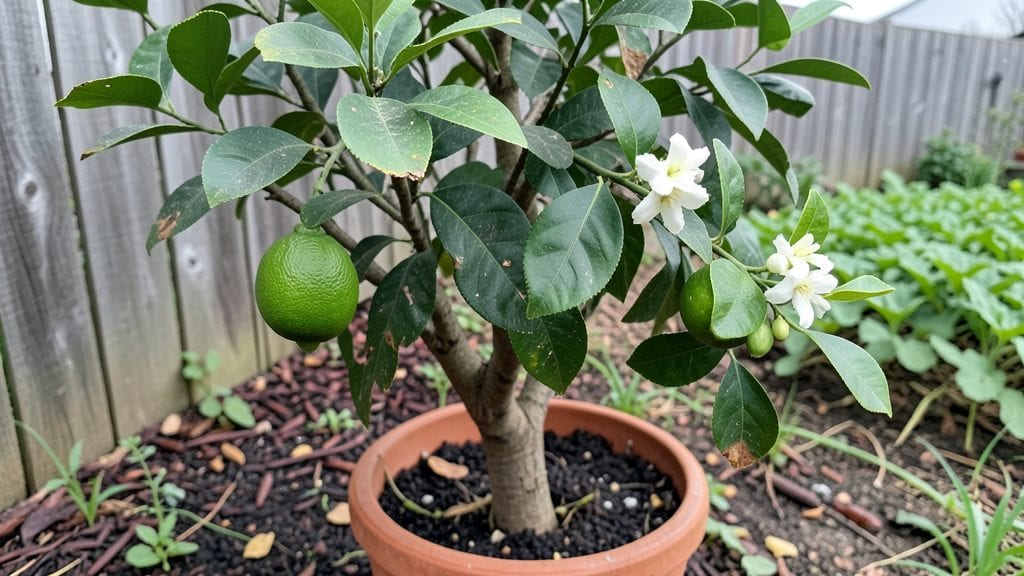
Creating a lemon tree garden transforms your backyard into a fragrant citrus haven that smells like sunshine year-round. 🌿 I remember the first time I walked into my own little Mediterranean escape—zesty air, glossy leaves, and the promise of homegrown lemons within reach.
The secret lies in pairing the right tree with thoughtful design elements that make it both beautiful and productive.
You don’t need a sprawling yard—just a sunny spot, a sturdy container, or a well-placed in-ground planting area. Mediterranean herbs like rosemary and thyme make perfect companions, while vibrant flowers like marigolds deter pests naturally.
For small spaces, dwarf varieties thrive in large pots, letting you roll them into shade when needed. The key is balancing aesthetics with function: fragrant foliage, practical harvests, and a layout that invites you to linger.
By summer’s end, you’ll be harvesting lemons that smell sweeter than anything from the store, with the added bonus of a garden that feels like a vacation. The glossy leaves catch the light beautifully, while the citrus scent repels mosquitoes naturally—making it a dual-purpose retreat.
Whether you go for a formal Mediterranean theme or a lush tropical vibe, the result is a space that feels alive and inviting every season.
This works for both outdoor gardens and sunny patios, adapting to different climates with the right tree variety. The real magic happens when you combine practical citrus growing with design elements that make your garden a place you love spending time in. Let’s bring that fragrant vision to life!
📚 In This Guide
- What you need
- Instructions
- Tips and common mistakes
- Wrapping up and next steps
What you need
- ○ Lemon tree plants: 1-3 dwarf Meyer lemon trees (hardy, cold-tolerant variety) or standard lemon trees (for larger gardens). Optional: Citrus rootstock (for grafting).
- ● High-quality potting mix: 5-10 gallons of well-draining citrus/succulent blend (e.g., 60% potting soil, 30% perlite, 10% compost). Pro tip: Avoid garden soil—it retains too much moisture! 💡
- ○ Containers (if potted): 15-25 gallon pots with drainage holes (for dwarf trees) or in-ground space (for larger varieties). Optional: Self-watering pots for convenience.
- ● Fertilizer: Citrus-specific fertilizer (e.g., 6-6-6 NPK ratio) or organic options like worm castings or fish emulsion. Apply every 4-6 weeks during growing season.
- ● Mulch: 2-3 inches of wood chips or straw to retain moisture and regulate soil temperature.
- ● Garden trowel or shovel (for planting).
- ● Pruning shears (sterilized with rubbing alcohol).
- ○ Watering can or hose with adjustable nozzle (drip irrigation is optional for efficiency).
- ● pH testing kit (ideal soil pH: 6.0–7.0). Adjust with lime if needed!
- ● Gloves & protective clothing (citrus oils can irritate skin).
- ● Support stakes or trellis (for heavier varieties or windy areas).
- ● Sunlight: Full sun (6–8+ hours daily). Partial shade in hot climates (e.g., afternoon shade) can help.
- ● Climate: USDA Zones 9–11 (outdoor planting). Zones 8 or below? Grow in containers and overwinter indoors! ❄️
- ● Water access: Regular watering (keep soil moist but not soggy). Drought-tolerant once established.
- ● Pest prevention: Neem oil or insecticidal soap (for aphids, scale, or spider mites).
Step-by-step guide to planting your lemon tree garden
Here’s how to get your citrus haven growing strong—with minimal fuss and maximum rewards.
🌱 Step 1: Choose the Perfect Spot and Prepare the Soil
Lemon trees thrive in full sun—at least 6-8 hours daily—so scout your yard for the brightest, most sheltered location. Avoid spots where cold winds linger, especially if you live in a cooler climate. I always test the soil first: dig a 6-inch hole and check drainage. If water pools after 10 minutes, amend the soil with 3-4 inches of coarse sand or perlite to improve airflow.
Lemon trees prefer slightly acidic soil with a pH between 6.0 and 7.0. If your soil leans alkaline, mix in 2-3 inches of peat moss or composted pine needles to balance it. The goal is loose, well-draining soil that mimics their Mediterranean roots. Real talk: Skipping this step leads to root rot—trust me, I’ve seen it.
🪴 Step 2: Plant Your Lemon Tree with Care
Dig a hole twice as wide as the root ball but only 1-2 inches deeper—burying too deep suffocates the roots. Gently loosen the root ball if it’s tightly packed, then place the tree in the center. Fill the hole with soil, pressing lightly to remove air pockets but not compacting too firmly. This ensures roots spread naturally without resistance.
Water deeply right after planting to settle the soil and eliminate air gaps. You’ll know it’s right when water drains freely from the bottom of the hole. Mulch the base with 2-3 inches of organic mulch, keeping it 3 inches away from the trunk to prevent rot. This layer locks in moisture and regulates soil temperature—critical for young trees.
☀️ Step 3: Water and Fertilize for Strong Growth
Lemon trees hate soggy roots, so water only when the top 2-3 inches of soil feel dry. Stick your finger in—if it comes out clean, it’s time. Deep watering once a week (more in extreme heat) encourages strong root growth. I always water in the morning so excess moisture evaporates by evening, reducing fungal risks.
Feed your tree with a balanced citrus fertilizer every 4-6 weeks during the growing season (spring through fall). Look for a formula with equal parts nitrogen, phosphorus, and potassium (like 6-6-6). In winter, cut back to once every 2 months—over-fertilizing then stresses the tree. Watch for yellow leaves; they’re a sign of overwatering or nutrient burn.
✂️ Step 4: Prune and Protect for Long-Term Health
Prune in late winter or early spring to shape the tree and remove dead or crossing branches. I always use sterilized pruning shears to avoid spreading disease. Cut just above a leaf node at a 45-degree angle to encourage new growth. Never remove more than 25% of the canopy in one session—this shocks the tree.
Young trees need protection from frost and strong winds. If temperatures dip below 28°F, cover the tree with a frost cloth or move potted trees indoors. In windy areas, stake the trunk temporarily to prevent bending. Lemon trees grow slowly, so patience pays off—you’ll see buds form in 2-3 years with proper care.
🍋 Step 5: Harvest and Enjoy Your Citrus Bounty
Lemon trees produce fruit in 3-5 years, but you’ll know it’s time to harvest when the fruit turns fully yellow and feels slightly soft when gently squeezed. Twist gently to detach—if it resists, use pruning shears to avoid damaging the branch. Store lemons at room temperature for 1-2 weeks or refrigerate for up to 2 months.
Don’t toss the peels! Dry them in the sun for zesty decorations or zest them fresh for baking. I always save a few lemons to replant seeds—though they won’t be true to the parent tree, it’s a fun experiment. The real magic? Watching your backyard become a fragrant citrus oasis, one bloom at a time.
Tips & tricks for perfect lemon tree planting
Here's what I wish I knew before planting my first lemon tree—these tricks will help your citrus garden thrive from day one.
The Sunlight Secret: That 6-8 hours of full sun is non-negotiable, but here's the thing: morning sun is more important than afternoon. I planted mine facing east and noticed the leaves stayed greener and healthier. If your yard has afternoon shade, consider a container so you can move it to catch those morning rays.
Soil Test Trick: Before amending, do a simple pH test with a kit from your garden center. If your soil tests above 7.0, you'll need that 2-3 inches of peat moss—but spread it evenly in the bottom of the hole first. I learned this the hard way after seeing my first tree's roots struggle with uneven soil composition.
Watering Wisdom: The top 2-3 inches dry test is foolproof, but here's my extra tip: use a moisture meter for accuracy, especially in clay soil. I also water at the base rather than overhead to prevent fungal diseases. And yes, morning watering really does make a difference—evaporation rates drop dramatically compared to evening watering.
Frost Protection Hack: When temps dip below 28°F, I've found that wrapping the frost cloth loosely around the tree (not touching the leaves) works better than completely enclosing it. This allows some airflow while still protecting the trunk and roots. For potted trees, move them to a garage or sunroom with a south-facing window—they'll get enough light to survive winter.
Pro Tips for Lemon Tree Garden
- Here's what I wish I knew before planting my first lemon tree—these tricks will help your citrus garden thrive from day one.
- The Sunlight Secret: That 6-8 hours of full sun is non-negotiable, but here's the thing: morning sun is more important than afternoon.
- Soil Test Trick: Before amending, do a simple pH test with a kit from your garden center.
Frequently asked questions
Got questions about growing your own fragrant lemon tree garden? Here are some answers to the most common queries—because every gardener deserves a little clarity!
What’s the best climate for a lemon tree garden?
A lemon tree thrives in USDA hardiness zones 9-11, but with care, you can grow them in cooler zones (7-8) in containers and bring them indoors during winter. They love full sun (6-8 hours daily) and well-draining soil. If you’re in a colder region, opt for dwarf varieties or use grow lights!
How long does it take for a lemon tree to bear fruit?
Patience is key! Dwarf varieties may produce fruit in 2-3 years, while standard trees can take 4-6 years. Factors like sunlight, soil quality, and proper care speed up the process. Pro tip: Hand-pollinate flowers with a soft brush to boost fruit set!
How often should I water my lemon tree?
Water deeply 2-3 times per week in hot weather, letting the top 2-3 inches of soil dry out between waterings. Overwatering causes root rot, so ensure pots have drainage holes. Signs of thirst: Wilting leaves or dry soil. Mulch helps retain moisture—just keep it 2-3 inches away from the trunk!
Can I grow a lemon tree in a pot, and if so, how big?
Lemon trees adapt well to containers. Choose a pot at least 15-20 gallons for dwarf varieties (3-4 feet tall) and 30+ gallons for standard trees. Use a mix of potting soil, perlite, and compost for drainage. Rotate the pot every few weeks to ensure even sunlight exposure.
What pests should I watch for in my lemon tree garden?
Common pests include aphids, spider mites, and scale insects. Inspect leaves regularly for sticky residue (honeydew) or tiny webs. Combat them with neem oil or insecticidal soap. Prevention tip: Encourage beneficial insects like ladybugs by planting companion flowers like marigolds!
Are there lemon tree alternatives for smaller spaces?
If space is limited, consider dwarf Meyer lemon trees (compact and prolific) or calamondin oranges (sweet-tart and cold-hardy). Herbs like lemon verbena or lemon thyme also add citrusy fragrance without the upkeep. Plus, they’re perfect for windowsill gardens!
Wrapping up and next steps
Growing a lemon tree garden isn’t just about adding beauty—it’s about creating a fragrant, fruitful haven that brings joy year-round. 🌿 With the right tools, patience, and care, you’ll soon be harvesting fresh lemons and basking in the scent of citrus blossoms.
Whether you’re a beginner or a seasoned gardener, this fragrant adventure is well within reach!
Ready to take the next step? Start by selecting your lemon tree, gathering your supplies, and planting with confidence. Before you know it, your backyard will be filled with the intoxicating aroma of lemons—and maybe even a few homemade treats! 🍋✨