Trees
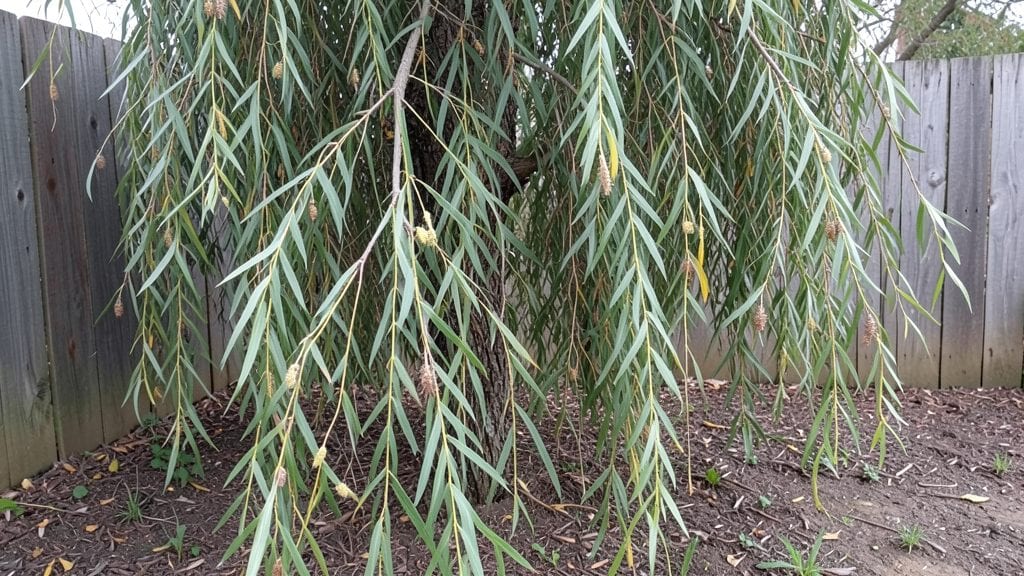
Those large weeping trees with their dramatic cascading canopies can turn any landscape into a living masterpiece—imagine a sweeping silhouette framing your patio or softening a modern home’s sharp lines. 🌿 I’ve seen these trees transform ordinary yards into serene retreats, their delicate foliage... swaying like nature’s own curtains.
The right placement makes all the difference: near a deck for shade, along a driveway for drama, or as a privacy screen that still lets light through.
Popular choices like weeping willows add wild, romantic charm, while weeping cherries bring seasonal color bursts. For structured gardens, a weeping beech offers elegant year-round interest. Each variety thrives with space—at least 20 feet from structures—and well-draining soil.
Pair them with low-growing perennials or ground covers to highlight their flowing forms without competition.
You’ll create a focal point that feels both timeless and effortlessly stylish. The dappled shade they provide cools summer afternoons, while their branches frame views like a painter’s brushstroke.
Even in small spaces, a compact weeping tree can anchor a design, blending beauty with function. Let’s explore how to make them the star of your outdoor vision.
From formal gardens to rustic cottages, these trees adapt to any style—just match the variety to your climate and space. A little planning now means decades of drama and shade. Ready to let nature take center stage?
📚 In This Guide
- What you need
- Instructions
- Tips and common mistakes
- Wrapping up and next steps
What you need
- ● Tree Selection: 1–3 mature large weeping trees (e.g., Weeping Willow, Cry Baby Pear, or Weeping Cherry), sized 3–5 gallons or larger for immediate impact.
- ● Young saplings (1–3 ft tall) if starting from scratch (allow 5+ years for full weeping effect).
- ● Planting Supplies: High-quality organic compost (5–10 lbs per tree).
- ● Slow-release tree fertilizer (e.g., 10-10-10, 1 lb per tree).
- ● Mulch (3–4 inches of wood chips or pine straw, 3–5 ft radius around base).
- ● Tree staking kit (2–4 stakes + ties) for young trees in windy areas.
- ● Pruning & Maintenance: Sharp bypass pruners (for small branches).
- ● Loppers (for branches ½–1.5 inches thick).
- ● Pruning saw (for thicker branches, 1.5+ inches).
- ● Disinfectant spray (70% isopropyl alcohol) to sterilize tools between cuts.
- ● Tree guards or cages (to protect from wildlife or pets).
- ● Drip irrigation system (for deep watering, especially in drought-prone areas).
- ● Soil amendments (e.g., gypsum for clay soil or sulfur for alkaline soil).
- ● Slow-release root stimulator (e.g., Mycorrhizal fungi granules).
- ● Decorative tree rings or edging for a polished look.
Step-by-Step guide to selecting and planting large weeping trees
Here’s how to choose and establish weeping trees for breathtaking, long-term impact in your landscape.
🌱 Step 1: Choose the Right Species for Your Climate and Space
Weeping trees like Japanese maple (Acer palmatum), weeping willow (Salix babylonica), or weeping cherry (Prunus subhirtella) each demand specific conditions. Japanese maples thrive in USDA zones 5-8 with acidic, well-draining soil and dappled shade, while willows tolerate zones 4-9 but need moist soil and full sun. Measure your space—mature canopies can reach 20-40 feet wide, so plant at least 15 feet from structures to avoid root interference.
I always check the tree’s mature height and spread against my property layout. A weeping cherry might top out at 25 feet, but its horizontal branches can stretch 20 feet wider—that’s why I sketch a rough outline on graph paper before buying. If your yard is tight, opt for dwarf varieties like Acer palmatum ‘Bloodgood’, which stays under 15 feet tall.
🪴 Step 2: Prepare the Planting Site with Proper Drainage and Soil
Dig a hole twice as wide as the tree’s root ball but no deeper—this prevents root suffocation. Amend the native soil with 3 inches of organic matter (like compost or peat moss) only if your soil is clay-heavy or sandy. Weeping trees hate soggy roots, so avoid low-lying areas unless you’re planting a willow, which naturally tolerates moisture. Test drainage by filling the hole with water—if it doesn’t drain within 30 minutes, raise the planting mound.
Place the tree so the top of the root ball sits 1-2 inches above ground level. This prevents root rot from sitting water. Loosen the roots gently if they’re circling—weeping trees resent root-bound stress. Backfill with native soil (no amendments) and tamp lightly to remove air pockets. I use my hands to press soil around the edges, then water deeply to settle everything.
☀️ Step 3: Stake and Water for Initial Establishment
Stake only if the tree is taller than 10 feet or in a windy location. Use two stakes placed 6 inches from the trunk and tie with soft fabric strips (never wire)—weeping branches are delicate and can snap under tension. Water deeply twice weekly for the first month, then taper to once weekly once new growth appears. Weeping trees need 1-1.5 inches of water per week, but willows may require 2 inches in hot summers.
Mulch with 3 inches of wood chips, keeping it 6 inches away from the trunk to prevent rot. I always water before mulching to lock in moisture. Avoid heavy mulch piles—weeping trees have shallow roots that need air circulation. After planting, prune only to remove broken branches or crossing limbs—never top or shear, as it disrupts their natural, graceful form.
✂️ Step 4: Prune for Health and Structure in Early Spring
Wait until late winter or early spring (before buds swell) to prune weeping trees. Remove dead, diseased, or rubbing branches first—these are the only cuts you should make in the first year. Use clean, sharp pruners and make cuts at a 45-degree angle just outside the branch collar. Avoid heavy pruning; weeping trees rely on their natural shape for structural integrity. If you’re dealing with a weeping willow, limit pruning to 10% of the canopy to prevent stress.
Watch for water sprouts (suckers growing upward) and sucker growth at the base—these sap energy from the tree’s dramatic branches. Snip them off at the base with hand pruners as soon as you spot them. I also inspect for aphids or spider mites in spring; a hose blast or neem oil spray keeps pests in check without harming the tree’s delicate foliage.
Tips & tricks for perfect large weeping trees
These expert strategies will help you transform your landscape with stunning, healthy weeping trees that thrive for decades.
Species Selection Wisdom: Japanese maples and weeping cherries are particularly sensitive to soil pH—test your soil before planting. I've seen beautiful red Japanese maples turn yellow within months because they were planted in alkaline soil (pH above 7). Aim for pH 5.0-6.5 for these varieties, and consider adding sulfur amendments if needed. For weeping willows, focus on moisture retention rather than soil acidity—they'll grow almost anywhere with enough water.
Drainage is Non-Negotiable: That 30-minute drainage test in Step 2 is your best friend. If water pools after 30 minutes, you have two options: either raise the planting mound by adding 6-12 inches of gravel below the root ball, or choose a different location entirely. I once planted a weeping cherry in a low spot and lost it within two years to root rot—don't make my mistake. For willows, you can actually plant in slightly wetter spots, but never in standing water.
Staking Strategy: When staking trees taller than 10 feet, use the "two-finger rule"—your stakes should be positioned so you can fit two fingers between the trunk and the stake. This prevents trunk damage while still providing support. I recommend using soft fabric strips (like tree ties) rather than wire, as wire can girdle the trunk as it grows. Remove stakes after one growing season unless you're in an extremely windy location.
Pruning Precision: The 45-degree angle cut in Step 4 isn't just aesthetic—it promotes faster healing by creating a larger wound surface while preventing water from pooling in the cut. For weeping willows specifically, never remove more than 10% of the canopy in any single year. I've watched clients over-prune their willows, leading to dieback and weak regrowth. When cutting, always make your cut just outside the branch collar where the branch meets the trunk—this is where the tree's natural healing response originates.
Pro Tips for Large Weeping Trees
- These expert strategies will help you transform your landscape with stunning, healthy weeping trees that thrive for decades.
- Species Selection Wisdom: Japanese maples and weeping cherries are particularly sensitive to soil pH—test your soil before planting.
- Drainage is Non-Negotiable: That 30-minute drainage test in Step 2 is your best friend.
Frequently asked questions
Got questions about adding large weeping trees to your landscape? You’re not alone! Here are some of the most common concerns—and their answers—to help you plant with confidence.
What’s the best time of year to plant a large weeping tree?
Spring or early fall are ideal! These seasons offer mild temperatures, ample rainfall, and shorter growing seasons, giving roots time to establish before extreme weather hits. Avoid planting in summer heat or winter frost, which can stress young trees.
How much water do large weeping trees need?
Newly planted trees need deep watering 2–3 times a week for the first year. Once established, most weeping varieties thrive on 1–1.5 inches of water per week, either from rain or irrigation. Mulch around the base to retain moisture and protect roots.
Can I plant a weeping tree in a small yard or container?
Many weeping trees (like Salix babylonica) grow wide rather than tall, making them great for smaller spaces. However, large varieties need 15–25 feet of clearance for their branches. For containers, opt for dwarf cultivars (e.g., Chamaecyparis pisifera ‘Squarrosa’) and ensure the pot is at least 2–3 feet deep.
Why are the leaves on my weeping tree turning yellow or brown?
Yellowing leaves often signal overwatering or poor drainage, while brown edges may mean underwatering or sunburn. Check soil moisture, ensure proper spacing from structures, and avoid compacted soil. Fungal issues (like powdery mildew) can also cause browning—prune affected branches and treat with fungicide if needed.
What’s a low-maintenance alternative to traditional weeping willows?
If you want drama without the upkeep, try Liquidambar styraciflua ‘Worplesdon’ (weeping sweetgum) or Quercus robur ‘Fastigiata Pendula’ (weeping oak). Both offer stunning foliage, tolerate various soils, and require less frequent pruning than willows. Just ensure they have enough space to spread!
Wrapping up and next steps
Large weeping trees bring unmatched elegance and dramatic flair to any landscape, transforming ordinary spaces into breathtaking focal points. Whether you’re drawn to their graceful branches, shade-providing canopies, or year-round beauty, these trees offer timeless charm with minimal effort.
Now that you’re equipped with the right knowledge—from soil prep to pruning—why not take the next step?
- 🌱 Sketch your dream design—map out where your weeping tree will thrive in your yard.
- 🛒 Gather supplies and schedule planting for the perfect season (spring or fall!).
- 🌿 Plant with confidence and watch your landscape bloom into a stunning masterpiece!
Your masterpiece awaits—go make it happen! 🌳✨