
Trees
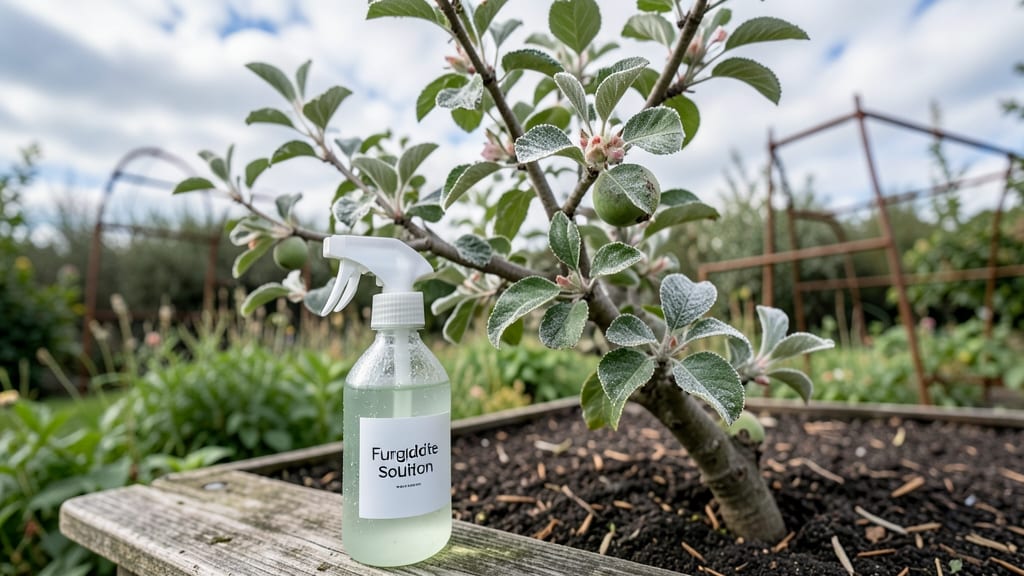
Mildew on trees spreads faster than you think—those fuzzy white patches on leaves aren’t just unsightly, they’re sucking moisture right out of your tree’s foliage. 🌿 I’ve watched powdery mildew turn a healthy oak into a skeleton of yellowed leaves in just two weeks, and the key to stopping it is acting before the fungus takes hold.
The worst part? Most trees get hit hardest when they’re already stressed—drought, poor soil, or overcrowded branches make them easy targets. But here’s the good news: the right mix of pruning, organic sprays, and simple yard care can turn things around in days, not seasons.
I’ve saved trees with nothing but a hose, baking soda, and a little elbow grease.
By the end of this, you’ll spot mildew the second it appears, know exactly which trees need help fastest, and have a 3-step treatment plan that works even on stubborn cases.
No more watching your yard lose its green canopy to fluffy white invaders—your trees will bounce back with stronger, shinier leaves.
Works for shade trees, fruit trees, and even ornamental varieties, plus I’ll tell you when to call in the pros. Let’s get those branches back to their full, healthy glory.
The Hidden Triggers Behind Tree Fungal Growth
Mildew isn’t just an unsightly nuisance—it’s a silent signal that your trees are under stress. Understanding the root causes of fungal growth helps you address the problem before it spreads. Below, we break down the science behind why mildew takes hold, so you can act fast and protect your trees.
Fungal spores thrive in damp conditions, and trees are especially vulnerable when moisture lingers. Here’s how excess water fuels mildew:
- Overnight Dew: When humidity stays high (above 75%) for prolonged periods, dew forms on leaves, creating a moist environment where spores germinate. Pro tip: 🌡️ Early morning dew is inevitable, but if your yard stays soggy into the day, drainage may be the issue.
- Poor Air Circulation: Dense foliage or trees planted too close together trap humidity. Stagnant air prevents leaves from drying, giving mildew a foothold. Think of it like a greenhouse effect—except for your trees!
- Overwatering or Irrigation Mistakes: Watering leaves (especially in the evening) or using sprinklers that create a fine mist mimics natural rain, encouraging fungal growth. Fix: Water at the base, not overhead, and aim for early morning sessions.
Quick Test: If you notice white or gray powdery patches on both the top and bottom of leaves, moisture is likely the culprit. Act fast—fungi double their growth in as little as 4–6 days under ideal conditions.
Healthy trees resist mildew, but when they’re malnourished, fungal spores see an opportunity. Here’s how deficiencies play a role:
| Deficiency | How It Weakens Trees | Mildew Risk |
|---|---|---|
| 🌱 Nitrogen (N) | Leads to pale, yellowing leaves (chlorosis), reducing the tree’s ability to produce protective compounds. | ↑ High (fungi exploit stressed tissue) |
| 💧 Potassium (K) | Weakens cell walls, making leaves more susceptible to fungal penetration. | ↑ High (poor structural integrity) |
| 🌿 Magnesium (Mg) | Causes interveinal chlorosis (yellowing between leaf veins), reducing photosynthesis and overall vigor. | ↑ Moderate (slower recovery) |
Pro Tip: 💡 Conduct a simple soil test (kits are affordable and available at garden centers) to check nutrient levels. If deficiencies are found, amend the soil with compost or a balanced fertilizer (look for an NPK ratio like 10-10-10) in early spring to boost tree resilience.
Fungal spores are picky—they only germinate within a specific temperature window. For most mildew-causing fungi (like Erysiphe or Podosphaera species), these are the danger zones:
- 60–80°F (15–27°C): The sweet spot for spore germination and growth. If your region has warm, humid summers, mildew outbreaks are almost guaranteed.
- Cool Nights + Warm Days: A classic setup for mildew. For example, 70°F (21°C) days with 65°F (18°C) nights create the perfect dew cycle.
Actionable Insight: If you’re in a temperate climate (like the Southeast U.S. or Pacific Northwest), mildew season often peaks in late spring to early summer. Monitor your trees during these windows and intervene early.
Trees under stress—whether from physical damage, competition, or pests—are more likely to develop mildew. Here’s why:
- Competition for Resources: Trees planted too close together compete for sunlight, water, and nutrients, weakening their immune response. Result: Fungi latch onto compromised leaves.
- Physical Damage: Broken branches or torn leaves create entry points for spores. Even insect bites (like from spider mites) can leave wounds that fungi exploit.
- Pest Infestations: Insects like aphids or scale damage leaves, creating sticky honeydew—a fertilizer for mildew. The fungi feed on the honeydew and the tree’s weakened tissue.
Pro Tip: ✨ Prune trees to improve airflow (aim for a 20–30% open canopy) and remove any dead or diseased branches immediately. This reduces hiding spots for pests and limits fungal spread.
Now that you know the why behind mildew, the next step is action. Stay tuned for our next section on natural remedies to banish mildew without harsh chemicals!
Quick Fixes for Fungal Foes
Mildew on trees isn’t just an eyesore—it can weaken your plants if left unchecked. The good news? You don’t need harsh chemicals to tackle it. Below, we’ve mapped out practical, nature-backed solutions tailored to the most common causes of mildew.
Whether it’s overly humid conditions, poor airflow, or nutrient deficiencies, these fixes will help your trees bounce back—and stay healthy long-term.
Mildew thrives in damp, stagnant environments. If your trees are soggy from rain, overhead watering, or poor drainage, take these steps to reduce humidity and improve airflow:
🔥 Prune for Better Airflow
- Trim dense foliage to allow sunlight and air to circulate. Focus on inner branches where mildew often hides.
- Remove dead or diseased branches—they trap moisture and spread spores.
🍳 Adjust Watering Habits
- Water at the base (not overhead) to keep leaves dry. Early morning is best—it gives foliage time to dry before nighttime humidity sets in.
- Avoid late-watering (after sunset), as damp leaves overnight invite mildew.
👨🍳 Improve Drainage
- Check soil around the tree base—if it’s compacted or slopes toward the trunk, amend with compost or sand to help water drain away.
- Mulch properly: Use a 2–4 inch layer of organic mulch (like wood chips) but keep it 6 inches away from the trunk to prevent rot.
Weak trees with poor nutrition are prime targets for mildew. Boost their defenses with these natural fertility fixes:
🥘 Balance with Compost Tea
- Brew a compost tea (steep compost in water for 24–48 hours, strain, and dilute 1:1 with water). Spray on leaves every 2 weeks to strengthen immunity.
- Pro tip: Add a handful of neem cake (dried neem seed powder) to the tea for extra fungal resistance. 🌡️
🎯 Target-Specific Fertilizers
- Nitrogen-rich fertilizers (like fish emulsion) help trees recover from mildew stress.
- Potassium boosters (wood ash or banana peel tea) improve disease resistance.
- Avoid over-fertilizing—too much can burn roots and weaken the tree further.
If mildew is already visible (as white, powdery patches or yellowing leaves), act fast with these gentle but effective treatments:
🔪 Physical Removal
- Wipe leaves with a damp cloth or soft brush to remove mildew spores. Do this on a dry, sunny day to prevent re-infection.
- For severe cases, prune heavily infected leaves and dispose of them in the trash (not compost).
💡 Homemade Sprays
Mix one of these in a spray bottle and apply to both sides of leaves (early morning or late afternoon to avoid leaf burn):
| Remedy | How to Mix | Frequency |
|---|---|---|
| Baking Soda Spray | 1 tsp baking soda + 1 quart water + ½ tsp dish soap | Every 7–10 days |
| Milk Spray | 1 part milk + 9 parts water | Every 5–7 days |
| Neem Oil Solution | 1 tbsp neem oil + 1 tsp mild soap + 1 quart water | Every 2 weeks (rotate) |
| Hydrogen Peroxide | 1 tbsp 3% H₂O₂ + 1 quart water | Every 10 days (test on 1 leaf first) |
Pro tip: Always test sprays on a small leaf first to avoid damage. ✨
An ounce of prevention beats a pound of cure. Keep mildew at bay with these long-term strategies:
- 🌿 Space trees properly: Plant them 3–5 feet apart (depending on the species) to ensure airflow.
- 🌞 Maximize sunlight: Mildew loves shade. Trim nearby structures or taller trees to let sunlight reach your foliage.
- 🍂 Clean up fallen leaves: Rake and remove leaf litter regularly—it’s a mildew breeding ground.
- 🌱 Choose resistant varieties: Opt for mildew-resistant tree species (like serviceberry or honey locust) if replanting.
With these targeted fixes, your trees will shake off mildew and thrive stronger. Start with the solutions that match your tree’s specific issues, and soon you’ll see lush, mildew-free foliage—no chemicals required!
Frequently asked questions about tree fungal issues
Why does mildew appear more on some trees than others?
Mildew targets stressed trees first—those with poor nutrition, compacted roots, or crowded branches. Trees like apples, roses, and lilacs are especially vulnerable due to their dense foliage. Focus on improving airflow and soil health to reduce their risk.
Can I use vinegar to treat mildew on trees?
White vinegar (1:1 ratio with water) can help as a short-term spray, but it’s not ideal for long-term use. The acidity disrupts spores, but it may also harm beneficial soil microbes. Always test on a small leaf first and avoid using it during hot days to prevent leaf burn.
How often should I spray homemade remedies?
For baking soda or milk sprays, apply every 5-7 days during active mildew season. Neem oil solutions work well every 2 weeks once mildew is under control. Always spray in the early morning or late afternoon to avoid leaf damage from sunlight.
Will pruning alone stop mildew from spreading?
Pruning helps reduce humidity and remove infected areas, but it’s not a standalone solution. Combine it with proper watering techniques and fungicidal sprays for best results. Focus on thinning dense branches to improve airflow—this cuts off mildew’s favorite growing conditions.
When should I call a professional arborist?
If mildew covers more than 50% of leaves, the tree shows wilting or dieback, or you’ve tried remedies for 4+ weeks with no improvement, consult an expert. Large trees or valuable specimens may need systemic fungicides that require professional application.