Trees
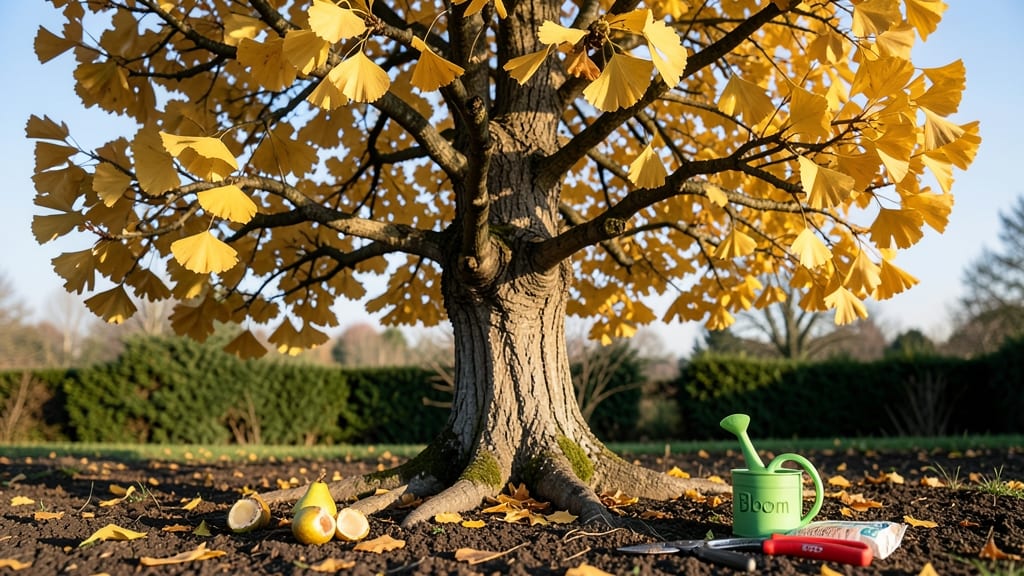
Developing eyes for trees means learning to recognize subtle visual cues that reveal plant health issues early—like yellowing leaves from overwatering, brown leaf edges from underwatering, or tiny webs indicating spider mites—so you can correct problems before they cause permanent damage.
Mastering this skill saves both money and heartache by catching problems before they escalate. 🌱 For example, a slight yellowing between leaf veins often signals overwatering, while crispy leaf edges paired with dry soil point to dehydration.
I've seen growers lose entire plants because they ignored these early warnings—something as simple as checking the soil moisture daily can make all the difference.
Beyond water issues, you'll also learn to spot nutrient deficiencies through leaf color changes—like purple stems indicating phosphorus deficiency or interveinal chlorosis (yellowing between veins) for iron issues. The key is regular, close inspections, especially on the undersides of leaves where pests often hide.
This proactive approach turns gardening from a guessing game into a science you can trust.
💡 In This Article
- Signs of Overwatering vs. Underwatering in Young Plants
- Pest and Disease Early Warning Indicators
Signs of overwatering vs. underwatering in young plants
Overwatering creates a suffocating environment for roots, triggering root rot—a fungal infection that thrives in waterlogged soil. The first visual clue is yellowing leaves that start at the base and spread upward, often paired with a musty, sour odor from the soil.
This happens because oxygen can't reach roots submerged for more than 24-48 hours, forcing them to switch to anaerobic respiration, which produces toxic ethanol compounds. 🌱
Underwatering, however, causes wilting despite moist soil—a counterintuitive symptom that confuses many growers. The leaves appear dry and crispy at the edges while the soil feels damp 1-2 inches below the surface.
This occurs because the topsoil dries out first, creating a barrier that prevents moisture from reaching deeper roots. Look for leaf curl patterns that resemble a "C" shape when viewed from the side, a classic dehydration response as cells lose turgor pressure.
The key distinction lies in stem discoloration: overwatered plants develop a grayish-brown hue near the soil line from fungal growth, while underwatered stems stay green but feel hollow when gently squeezed.
For example, a tomato seedling with overwatering will have soft, mushy stems, whereas one underwatered will have stems that snap easily when bent. 💧
Soil compaction adds another layer of complexity. Compacted soil prevents water penetration, creating surface puddles while roots below remain dry. Check for glazed, hard soil that resists penetration with a finger—if it takes 5+ seconds to push a pencil tip in, compaction is likely.
This condition often mimics underwatering symptoms but with the added telltale sign of roots growing horizontally along the surface rather than downward.
Here's a quick comparison to remember: overwatered plants smell bad and feel heavy with moisture, while underwatered plants smell fresh but feel light and brittle. The leaf vein pattern also differs—overwatered leaves yellow uniformly, while underwatered leaves show brown, crispy edges that remain green near the veins.
These visual cues become your early warning system when developing your gardening instincts. ✨
Pro tip: Use a soil moisture meter to confirm your visual assessments. The ideal range for most young plants is 40-60% moisture—anything above 70% risks root rot, while below 30% triggers dehydration. This tool removes guesswork and builds your confidence in interpreting plant signals. 🌿