
Blooming
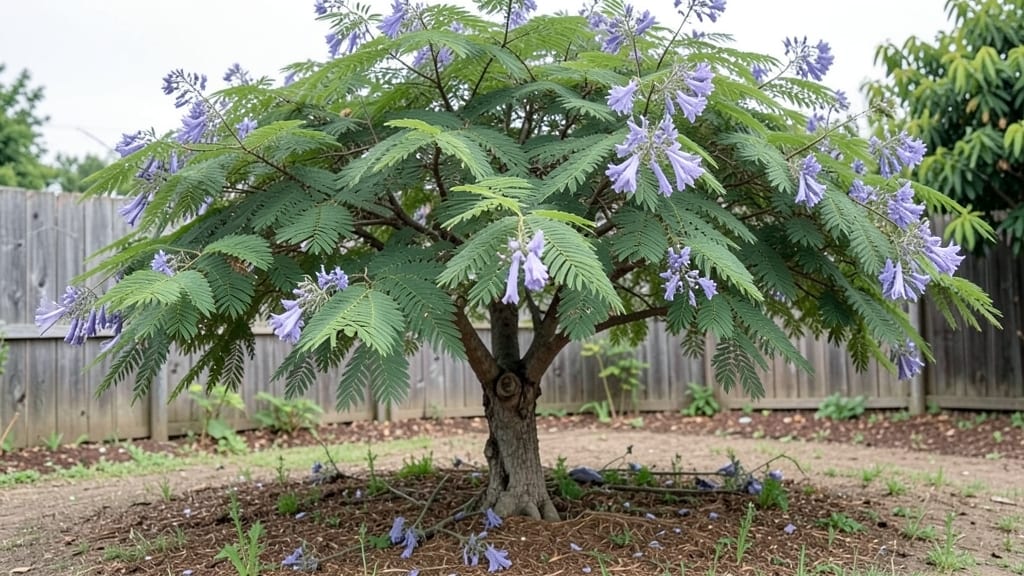
Jacaranda tree blossoms transform any yard into a dreamy lavender cloud when they burst into bloom each spring. 🌿 I still remember the first time I saw one in full flower—it looked like someone had sprinkled magic powder across the sky.
These trees aren’t just beautiful; they create an atmosphere that makes your outdoor space feel like a secret garden escape.
The best part about jacaranda trees is how they anchor a landscape while letting other plants shine. Plant them near patios or walkways where you can enjoy their fragrance up close, or use them as a dramatic backdrop for flowering shrubs like bougainvillea or gardenias.
Their 6-8 week bloom season in late spring makes them a standout focal point that draws the eye—and neighbors.
Imagine your deck draped in soft purple petals that drift gently with the breeze, or your morning coffee time framed by their delicate branches. The contrast of their lavender blooms against dark green foliage creates a striking visual that lasts all season.
You’ll want to linger outside just to soak in the view.
They thrive in warm climates but can also be grown in containers in cooler regions, giving you flexibility for any space. Pair them with drought-tolerant ground covers like ice plant or ornamental grasses to extend the seasonal interest.
The possibilities for creating a showstopping landscape are endless once you let these trees take center stage.
📚 In This Guide
- What you need
- Instructions
- Tips and common mistakes
- Wrapping up and next steps
What you need
- ● Jacaranda tree sapling – Choose a healthy, disease-free Jacaranda mimosifolia (most common species) from a nursery. Size: 1-3 feet tall, depending on your planting timeline.
- ● Well-draining soil – Jacarandas hate soggy roots! Mix in compost or sand (50/50 ratio) if your soil is clay-heavy.
- ● Organic mulch – 3-4 inches of wood chips or pine bark to retain moisture and suppress weeds.
- ● Slow-release fertilizer – A balanced 10-10-10 NPK or citrus-specific fertilizer (jacarandas love a little extra potassium for blooms!).
- ● Watering can or hose with a gentle spray nozzle – Jacarandas need deep but infrequent watering (1-2 times per week once established).
- ● Pruning shears – Sharp, bypass-style (avoid dull tools that tear bark).
- ● Trenching shovel or spade – For digging a hole twice as wide as the root ball.
- ● Garden gloves – Protect your hands from thorns (jacarandas have plenty!).
- ○ Drip irrigation system (optional) – Helps maintain consistent moisture, especially in hot climates.
- ○ Tree stakes & ties (optional) – Useful for young saplings in windy areas (avoid over-tightening!).
- ● Pest control (neem oil or horticultural oil) – For occasional aphid or scale insect issues.
- ● Lavender-scented candles or diffusers (for ambiance!) – Because who doesn’t love jacaranda + lavender vibes? 🌸
How to encourage stunning jacaranda tree blossoms
Here's the care routine I swear by to turn your jacaranda into a fragrant purple masterpiece.
🌱 Step 1: Plant in the Perfect Sunny Spot
Jacarandas demand full sun exposure—at least 6-8 hours daily. Choose a location with southern or western exposure where the tree receives unobstructed sunlight. I always check the site in late winter when days are shortest—what seems sunny in summer often isn't in cooler months.
Dig a hole twice as wide as the root ball but only as deep. The top of the root ball should sit 1-2 inches above ground level—burying it too deeply suffocates the roots. Amend the native soil with compost mixed into the bottom of the hole to improve drainage, since jacarandas hate soggy roots.
💧 Step 2: Water Deeply and Establish a Routine
Water newly planted jacarandas deeply 2-3 times per week for the first year, ensuring moisture reaches 12-18 inches down. You'll know you've watered enough when the soil feels damp 6 inches below the surface. Let the top 2 inches of soil dry between waterings—this prevents root rot while keeping the tree hydrated.
After the first year, jacarandas become drought-tolerant but still need 1 inch of water weekly during dry spells. I always water in the early morning to reduce evaporation and fungal risks. Mulch around the base with 3 inches of organic mulch to retain moisture and regulate soil temperature.
☀️ Step 3: Prune Strategically for Better Blooms
Prune your jacaranda immediately after flowering (late spring) to encourage next year's blossoms. Remove any dead, diseased, or crossing branches first—these compete with healthy growth. I always make cuts just outside the branch collar where it meets the trunk for cleanest healing.
Shape the tree by selectively thinning out crowded branches to improve airflow. Never remove more than 25% of the canopy in one season—this stresses the tree and reduces flowering. Young trees need minimal pruning; focus on removing suckers at the base that drain energy from blossom production.
✂️ Step 4: Fertilize for Vibrant Blooms
Apply a balanced 10-10-10 fertilizer in early spring when new growth appears, using ½ pound per 100 square feet of root zone. Work it into the top 4-6 inches of soil around the drip line. Jacarandas respond well to phosphorus—this encourages abundant flowering—but avoid high-nitrogen fertilizers that promote leafy growth at the expense of blossoms.
In late summer, switch to a low-nitrogen, high-potassium fertilizer to strengthen roots and prepare for next year's blooms. I always water the tree thoroughly before and after fertilizing to prevent root burn. Over-fertilizing causes weak, sparse blooms—less is more with these tropical beauties.
⏰ Step 5: Protect from Cold and Pests
Jacarandas tolerate down to 15°F but may lose leaves in cold snaps. Wrap young trees in burlap during winter if your zone drops below 20°F. I've found that even mature trees benefit from a 2-inch layer of mulch around the base to insulate roots during freeze events.
Watch for jacaranda moth caterpillars that skeletonize leaves—handpick them or spray with neem oil if infestations occur. Scale insects sometimes attack the trunk; I treat these with a horticultural oil spray in late winter before new growth begins. Regular inspections keep pests from overwhelming your tree's energy reserves.
Tips & tricks for perfect jacaranda tree blossoms
These simple secrets will help you transform your jacaranda into a fragrant purple cloud every spring.
The Sunlight Secret: I can't stress this enough—jacarandas absolutely thrive on that 6-8 hours of direct sunlight daily. If your tree isn't flowering well, check its light exposure during winter months when days are shortest. What seems like plenty of sun in summer might be insufficient when the sun arcs lower in the sky. Consider moving young trees to sunnier locations if needed.
Watering Wisdom: That 2-3 times per week watering routine for the first year is crucial, but don't just water lightly! You need to soak the soil to 12-18 inches deep—use a long screwdriver to check moisture. I've seen many people overwater because they only wet the top few inches, which leads to root rot. Let the top 2 inches dry between waterings to strike the perfect balance.
Pruning Precision: When you prune immediately after flowering, focus on removing only what's necessary. I always look for branches that cross or rub against each other—these compete for energy and can reduce next year's blooms. Make your cuts just outside the branch collar where it meets the trunk, and never remove more than 25% of the canopy in one season. This might seem counterintuitive, but less aggressive pruning actually encourages more abundant flowering.
Fertilizer Timing: That 10-10-10 fertilizer in early spring is your secret weapon for vibrant blooms, but timing matters. Apply it when you see those first signs of new growth—usually just as your tree starts pushing out fresh leaves. I've found that jacarandas respond best to phosphorus (the middle number in the fertilizer ratio), which promotes flowering rather than leafy growth. Just remember, less is more—over-fertilizing leads to weak, sparse blooms.
Pro Tips for Jacaranda Tree Blossoms
- These simple secrets will help you transform your jacaranda into a fragrant purple cloud every spring.
- The Sunlight Secret: I can't stress this enough—jacarandas absolutely thrive on that 6-8 hours of direct sunlight daily.
- Watering Wisdom: That 2-3 times per week watering routine for the first year is crucial, but don't just water lightly!
Frequently asked questions
Got questions about those stunning jacaranda tree blossoms? You’re not alone! Here are answers to the most common queries—from timing to care tips—to help you make the most of these fragrant purple clouds in your yard.
When do jacaranda trees bloom, and how long does it last?
Jacarandas typically bloom in late spring to early summer (May–June in most U.S. regions), though timing varies by climate. The flowers last 2–3 weeks per flush, with some trees producing a second, lighter bloom later. In warmer areas (like Florida or California), they may bloom year-round!
How do I encourage bigger or longer-lasting jacaranda blossoms?
For vibrant blooms, prioritize full sun (6+ hours/day) and well-draining soil. Prune lightly in late winter to shape the tree and remove dead branches—but avoid heavy cuts, as they trigger more leaves than flowers. Water deeply but infrequently (jacarandas hate soggy roots!). A balanced fertilizer in early spring can also boost health.
Are jacaranda tree blossoms toxic to pets or kids?
Great news: Jacaranda flowers, leaves, and seeds are non-toxic to pets and humans! However, the pods (seed cases) can irritate skin if handled roughly. Always supervise kids near trees with dry pods, as they can pop open unexpectedly.
Can I grow a jacaranda tree in a pot, or does it need to be planted in the ground?
While jacarandas prefer ground planting (they grow 30–50 feet tall!), you can grow dwarf varieties (like ‘Blue Hawaii’) in large containers (24"+ diameter). Use fast-draining potting mix and move pots indoors if temps drop below 30°F. Just know: Potted jacarandas will need regular pruning to control size.
Why aren’t my jacaranda tree blossoms as colorful or abundant?
Dull or sparse blooms often signal stress. Check for:
- Overwatering (yellow leaves = root rot risk).
- Poor sunlight (move to sunnier spot).
- Nutrient deficiency (test soil; amend with compost or fertilizer).
- Age (young trees <5 years may bloom lightly).
Wrapping up and next steps
The jacaranda tree’s lavender-hued blossoms transform any landscape into a dreamy, fragrant paradise—easy to grow with the right care! Whether you’re a seasoned gardener or just starting, these trees bring unmatched beauty and joy with minimal fuss. 🌸
Ready to invite this magic into your yard? Start by choosing the perfect spot—sunny, spacious, and well-drained—and plant your jacaranda with confidence. Watch as those ethereal blooms turn heads (and noses!) for years to come. Happy gardening! 🌿✨