
Blooming
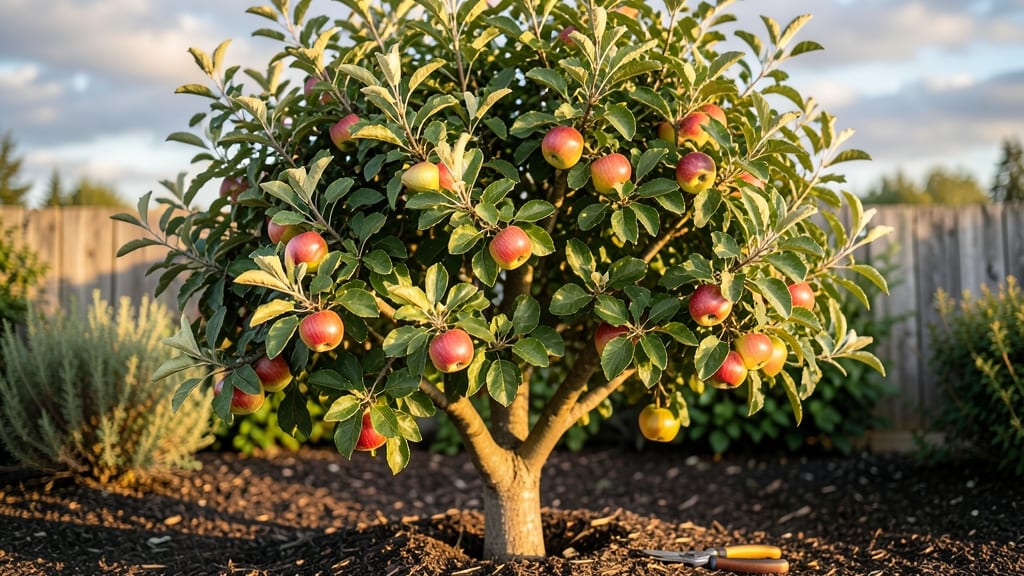
Gala apple tree blossoms turn your spring garden into a fragrant dream within just three years. 🌸 I still remember the first time I saw my backyard transformed by those delicate pink-white blooms—it felt like nature’s own confetti shower.
The scent alone makes spring feel complete, and the way they pair with other early bloomers creates a showstopping display.
These blossoms aren’t just pretty—they’re practical too. Plant them near pollinator-friendly perennials like lavender or catmint, and you’ll turn your yard into a buzzing hub for bees and butterflies. The key to maximizing those stunning flowers?
Prune in late winter to open up the canopy, letting sunlight reach the center where blooms form. A little strategic shaping goes a long way.
Imagine your garden in full spring glory: Gala blossoms cascading over arbors, mixed with tulips and daffodils at their feet. The fragrance lingers on warm breezes, and every passing neighbor stops to admire the display.
With proper placement and care, your tree will reward you with both beauty and fruit for decades.
Perfect for cottage gardens, modern landscapes, or even urban patios with dwarf varieties. The versatility of Gala blossoms makes them a standout choice—whether you’re designing a pollinator paradise or simply adding seasonal charm to your outdoor space. Let’s make your spring unforgettable!
📚 In This Guide
- What you need
- Instructions
- Tips and common mistakes
- Wrapping up and next steps
What you need
- ● Gala apple tree sapling or bare-root plant: 1 healthy, disease-resistant Malus domestica 'Gala' sapling (3–5 years old for faster blossoms).
- ● Check for dwarf rootstock (e.g., M.9 or MM.108) for smaller trees and easier care.
- ● Planting site: Full sun (6+ hours/day).
- ● Well-draining soil (pH 6.0–7.0). Test your soil or amend with compost.
- ● Space: 12–15 feet apart (or 8–10 feet for dwarf varieties).
- ● Planting tools: 1 shovel or trowel.
- ● 1 garden fork (for loosening soil).
- ● 1 hose with spray nozzle (for watering).
- ● Fertilizer: Balanced 10-10-10 fertilizer (spring and early summer).
- ● Organic option: Compost or well-rotted manure (spring planting).
- ● Mulch: 2–3 inches of wood chips or straw (to retain moisture and suppress weeds).
- ○ Support (optional but helpful): 1 tree stake (for young saplings in windy areas).
- ● 1 tree tie (soft fabric or rubber).
- ● Pruning tools: 1 pair of bypass pruners (for shaping and thinning).
- ● 1 pruning saw (for thicker branches).
- ● Pest control: Neem oil or horticultural oil (for aphids or mites).
- ● Row covers (to protect blossoms from late frosts).
- ● Drip irrigation system: Automates watering and saves time!
- ● Pollination aid (if indoors or isolated): A small paintbrush to hand-pollinate blossoms.
Instructions for cultivating a fragrant Gala apple tree display
Here’s how to coax those iconic white blossoms from your Gala tree in just three seasons.
🌱 Step 1: Choose and Plant the Right Rootstock and Scion
Start with a Gala apple scion grafted onto a dwarf rootstock like MM.106 or B.9 for compact growth. I always buy certified disease-free trees from reputable nurseries—cheap grafted trees often carry latent viruses that stunt flowering. Plant in full sun (at least 6 hours daily) with well-draining soil, and dig a hole twice as wide as the root ball but only as deep.
Place the tree so the graft union sits 2-3 inches above soil level—this prevents rootstock suckers from overtaking the Gala scion. Backfill with native soil mixed with 2 inches of compost, then water deeply to eliminate air pockets. Mulch with 3 inches of wood chips (not fresh sawdust) to retain moisture and suppress weeds.
☀️ Step 2: Provide Optimal Light and Seasonal Care
Gala trees need full sun to trigger blossoming, so prune nearby trees or structures that cast shade. In the first year, focus on establishing roots by watering once a week (unless it rains) until the soil feels 2 inches dry. Overwatering now causes root rot, which kills the tree before it flowers.
Apply a balanced 10-10-10 fertilizer in early spring (before buds swell) and again in midsummer. I skip fall fertilization—too much nitrogen then delays dormancy and weakens winter hardiness. Watch for aphids or mites on new growth; spray with neem oil if you spot sticky residue on leaves.
✂️ Step 3: Prune for Airflow and Flower Bud Formation
Start pruning in late winter (before buds break) to remove dead, crossing, or inward-growing branches. Gala trees bloom on spurs (short shoots along branches), so avoid heavy thinning cuts—focus on shaping the tree into an open vase or central leader form. I prune to keep the canopy sunlit and airy, which prevents fungal diseases that rot blossoms.
In the second year, thin out 10% of the smallest branches to encourage stronger growth. By year three, you’ll see white blossoms in spring if the tree gets enough chill hours (300–600 hours below 45°F). If your climate is warm, choose a low-chill Gala cultivar to ensure reliable flowering.
💧 Step 4: Support Pollination for Fruit Set
Gala trees are self-pollinating, but planting a second variety like Fuji or Honeycrisp nearby boosts fruit set. If you’re growing just one tree, hand-pollinate by gently shaking branches on sunny days when bees are active. Water deeply every 10–14 days during blossoming—stress from drought causes buds to drop.
After petals fall, thin fruit to 6 inches apart to prevent overcrowding. Too many apples compete for nutrients, leading to small, misshapen fruit. Harvest in late summer when Gala apples ripen to a bright yellow-red blush and yield slightly to gentle pressure.
Tips & tricks for perfect Gala apple tree blossoms
A few simple tricks will help you coax those fragrant white blossoms from your Gala tree—without the guesswork.
Rootstock Selection Matters: When choosing your dwarf rootstock like MM.106 or B.9, verify it's compatible with Gala's chill requirements. Some dwarf rootstocks (like B.9) thrive in warmer climates with fewer chill hours, while others need the full 600 hours below 45°F. I always check the rootstock's chill hour range against my local climate data to avoid disappointment.
Graft Union Placement: That 2-3 inch graft union height above soil level is critical—it prevents rootstock suckers from overtaking your Gala scion. If you plant too deep, the rootstock may grow vigorously while the scion stays weak. I use a small stake to mark the correct depth before planting, then double-check after backfilling.
Watering Wisdom: The once-a-week watering rule only applies to the first year when you're establishing roots. After that, adjust based on rainfall and soil type—sandy soils dry faster than clay. I test soil moisture by sticking my finger 2 inches down; if it feels dry, that's when I water deeply. Overwatering now causes root rot that kills trees before they even flower.
Chill Hour Tracking: Those 300-600 chill hours below 45°F are non-negotiable for reliable blossoming. If you're in a warm climate, choose a low-chill Gala cultivar specifically bred for your area. I use a simple spreadsheet to track chill hours each winter—just record daily low temperatures and sum the hours below 45°F. This helps me predict flowering success years in advance.
Pro Tips for Gala Apple Tree Blossom
- A few simple tricks will help you coax those fragrant white blossoms from your Gala tree—without the guesswork.
- Rootstock Selection Matters: When choosing your dwarf rootstock like MM.106 or B.9, verify it's compatible with Gala's chill requirements.
- Graft Union Placement: That 2-3 inch graft union height above soil level is critical—it prevents rootstock suckers from overtaking your Gala scion.
Frequently asked questions
When do Gala apple tree blossoms appear?
Blossoms typically arrive 3–4 years after planting, usually in late April to early May (depending on your climate zone). Cooler regions may see blooms slightly later, while warmer areas might flower earlier. Watch for pink buds forming—that’s your cue!
How long do the blossoms last?
Gala apple tree blossoms are short-lived but stunning: they peak for 7–10 days before fading. For maximum impact, plant multiple trees to stagger blooming times or pair with other spring-flowering varieties like Pink Lady or Fuji.
Why aren’t my Gala apple tree blossoms opening?
No blooms? Check these common culprits:
- Age: Trees need 3+ years to bloom.
- Cold damage: Late frosts (<32°F) can kill buds. Use frost cloth if frost is forecasted.
- Poor nutrition: Test soil for low nitrogen/phosphorus—amend with compost or a balanced fertilizer (10-10-10) in early spring.
If issues persist, consult a local orchard specialist.
Can I prune my Gala apple tree during blossom season?
Wait until after blooming! Prune late winter or early spring (before buds swell) to avoid stressing the tree. If you must trim during blossom time, focus on dead/diseased branches only—never remove more than 20% of the canopy.
Will Gala apple tree blossoms affect fruit production?
Blossoms are a good sign—they’re essential for fruit! However, heavy frost or pollinator shortages (like bees) can reduce yields. Plant a second Gala tree nearby for cross-pollination, or invite pollinators with native flowers (e.g., lavender or clover).
Pro Tip:
For extra fragrance, water blossoms lightly during dry spells—hydrated trees produce more vibrant, scent-rich flowers!
Wrapping up and next steps
The sight of a Gala apple tree blossom in just three years is a rewarding testament to your patience and care! 🌸 Whether you’re drawn to their fragrant beauty or the promise of future harvests, these trees bring joy and a touch of spring magic to any garden.
Now that you’re equipped with the right knowledge, why not take the next step?
Start by sketching a cozy spot in your yard for planting—imagine the aroma and the color it’ll bring! Then, gather your supplies and get ready to nurture your blossoming future. Happy planting! 🌱