
Propagation
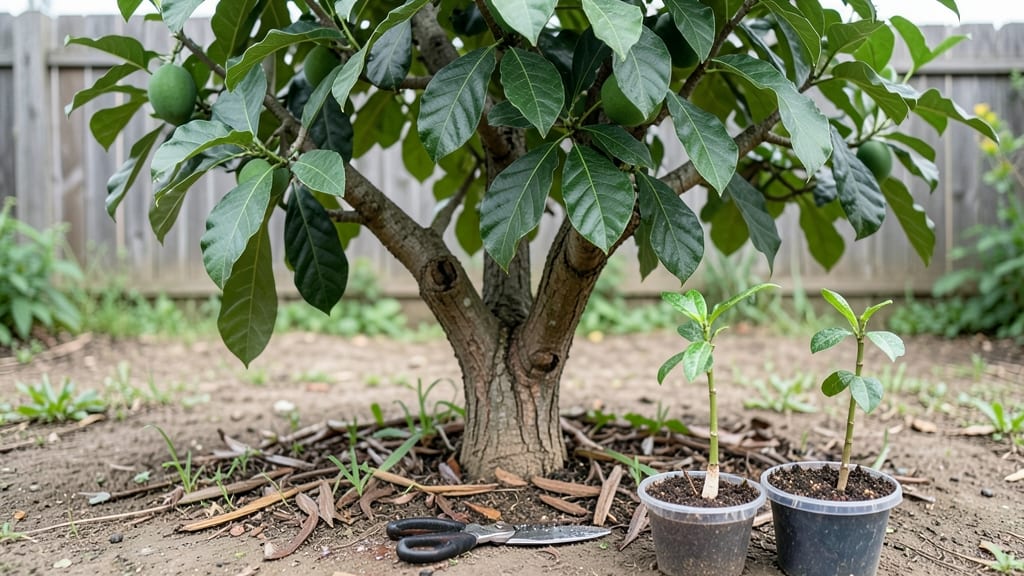
Propagating a mango tree from seed is one of those gardening projects that feels like magic—you plant a tiny pit, and years later, you might have a fruit-bearing tree in your backyard. 🌱 The process starts with the right seed and patience, because unlike some plants, mangoes don’t sprout overnight.
My first attempt took nearly two months just to see the first green shoot, but that stubborn little sprout became the start of something special.
You’ll need just a few simple supplies: a fresh, viable mango seed (not dried out), a small pot with well-draining soil, and a warm, humid spot to keep it cozy. The key is consistency—watering enough to keep the soil moist but not soggy, and giving it bright, indirect light.
Most people rush this step, thinking mangoes grow like weeds, but they’re actually tropical divas that need just the right conditions to thrive.
Once your seedling reaches about 6 inches tall, you’ll start seeing real progress—thick stems, broad leaves, and maybe even the first signs of a branch structure. That’s when the real fun begins, because now you’re nurturing a future tree that could one day produce fruit.
With proper care, your sapling will outgrow its pot within a year, and that’s when you’ll know you’re on the right track.
This method works best in warm climates, but even in cooler zones, you can try it indoors and move the tree outside once temperatures stay above 60°F. The biggest challenge is waiting—mango trees take years to bear fruit, but the journey is worth it for anyone who loves the idea of growing something truly exotic right at home.
📚 In This Guide
- What you need
- Instructions
- Tips and common mistakes
- Wrapping up and next steps
What you need
- ● Mango seeds: 1–3 fresh, viable seeds (harvested from ripe fruit, dried for 2–3 days)
- ● Potting soil: 1 bag (10–15 L) of well-draining, sterile potting mix (or blend of coconut coir, perlite, and compost in a 2:1:1 ratio)
- ● Containers: 1 small pot (6–8 inches deep) for seed germination
- ○ 1 larger pot (10–12 inches) or nursery bed for saplings (optional)
- ● Grafting tools (if grafting): 1 sharp grafting knife or razor blade
- ● 1 pair of clean pruning shears
- ● Grafting tape or rubber bands (2–3 pieces)
- ○ Air layering supplies (optional): 1 sphagnum moss pad (3–4 inches wide)
- ● Plastic wrap or a clear plastic bag
- ● Twine or zip ties (2–3)
- ● Watering can or spray bottle (with a fine mist nozzle)
- ● Fertilizer: Balanced liquid fertilizer (e.g., 10-10-10) or organic compost tea
- ● Plastic wrap or humidity dome (to retain moisture during germination)
- ● Sunlight: Access to bright, indirect light (or a grow light for indoor setups)
- ● Rooting hormone (for faster seed germination or cuttings)
- ● Soil moisture meter (to monitor hydration levels)
- ● Label markers (to track seed varieties or grafting dates)
- ● Heat mat (for faster germination in cooler climates)
- ● Mulch (e.g., straw or wood chips) for outdoor saplings
Step-by-step instructions for propagating a mango tree
Here’s my foolproof method for turning a store-bought mango into a thriving young tree.
🌱 Step 1: Extract and Prepare the Seed
Start with a fresh, plump mango—never dried or overly ripe ones. Cut the fruit open and remove the large, flat seed. Rinse it gently under lukewarm water to remove any fruit residue, then let it dry for 24 hours at room temperature. This prevents mold from forming during germination.
Here’s the thing—don’t rush the drying. Place the seed on a paper towel in a warm, shaded spot. You’ll know it’s ready when the outer shell feels slightly rough and no longer sticky. This step is critical: skipping it often leads to rot before the seed even sprouts.
💧 Step 2: Soak the Seed to Speed Up Germination
Fill a clean glass or jar with warm water (around 75°F) and submerge the seed completely. Leave it soaking for 3-5 days, changing the water daily. You’ll see tiny cracks form in the seed coat—this is your signal that the seed is breaking dormancy.
I know it seems weird to wait this long, but trust me: soaking softens the tough outer shell, which can take weeks to crack on its own. If you’re impatient, you can gently rub the seed between two paper towels to speed up the process, but only after 2 days of soaking.
☀️ Step 3: Plant the Seed in a Warm, Moist Environment
Fill a small pot (at least 4 inches deep) with a mix of 50% potting soil and 50% perlite to ensure good drainage. Plant the seed 1 inch deep, with the pointed end facing up. Water lightly until the soil is evenly moist but not soggy.
Cover the pot with a clear plastic bag or humidity dome to trap warmth and moisture. Place it in a spot with indirect light—like a warm kitchen windowsill—and maintain a temperature of 70-80°F. Germination can take 2-6 weeks, so be patient. You’ll see the first sprout emerge when the seed coat splits open.
🌿 Step 4: Care for the Seedling Once It Emerges
As soon as the seedling reaches 2-3 inches tall, remove the plastic cover and move it to a bright spot with 4-6 hours of sunlight daily. Water when the top inch of soil feels dry, but avoid overwatering—mango seedlings are sensitive to root rot.
Once the seedling has 4-5 true leaves (not the initial seed leaves), transplant it into a slightly larger pot with fresh potting soil. This is the moment that matters: handle the roots gently to avoid shock. Over the next few months, you’ll see the first signs of a real mango tree—watch for new leaves and a sturdy stem.
⏰ Step 5: Transition to Outdoor Conditions Gradually
After the last frost date in your area, start hardening off the seedling by placing it outside in a sheltered spot for 1-2 hours the first day. Gradually increase outdoor time over 2 weeks, moving it to sunnier locations each day. Mango trees love warmth, so aim for full sun exposure once fully acclimated.
Real talk: mango trees grow slowly at first, but with patience, you’ll have a sapling ready for permanent planting in 1-2 years. Keep the soil consistently moist but well-drained, and avoid fertilizing until the tree is at least 1 foot tall—you’re building roots, not foliage at this stage.
Tips & tricks for propagating a mango tree
A few simple tricks will help you avoid common pitfalls and give your mango seed the best chance to grow into a healthy sapling.
Seed Selection Matters: Choose a mango that's ripe but still firm—overripe fruit often means the seed is too old to germinate. I've tried this with grocery store mangoes and even found success with varieties like Tommy Atkins or Keitt, as long as the seed looks plump and unblemished. The seed should feel heavy for its size, indicating it's full of life and ready to sprout.
Temperature Control: Maintaining that 70-80°F range during germination is crucial. If your home runs cooler, place the pot on top of your refrigerator or near a sunny window. I've used a seedling heat mat set to 75°F for extra insurance, especially in cooler climates. The warmth mimics tropical conditions and speeds up germination.
Germination Timing: Those 3-5 days of soaking might seem long, but it's worth it. I've seen seeds that cracked within 48 hours and others that needed the full 5 days. The key is consistency—keep the water at 75°F and change it daily. If you notice mold forming, dump the water and start fresh with clean water.
Light Strategy: Once your seedling reaches 2-3 inches, move it to a spot with 4-6 hours of sunlight daily. South-facing windows work well, but if you don't have one, a grow light on a timer for 6 hours works too. I've watched seedlings stretch toward light and become leggy when they don't get enough—this is your cue to adjust their position.
Pro Tips for Propagate A Mango Tree
- A few simple tricks will help you avoid common pitfalls and give your mango seed the best chance to grow into a healthy sapling.
- Seed Selection Matters: Choose a mango that's ripe but still firm—overripe fruit often means the seed is too old to germinate.
- Temperature Control: Maintaining that 70-80°F range during germination is crucial.
Frequently asked questions
Got questions about propagating your own mango tree? You’re not alone! Here are some of the most common concerns—and their answers—to help you grow with confidence.
How long does it take for a mango seed to sprout?
A mango seed typically sprouts within 2 to 4 weeks if kept in warm, moist conditions. Patience is key—some seeds may take up to 6 weeks or longer, especially if the seed is old or stored improperly. Keep the soil consistently damp (not soggy) and maintain warmth (around 75–85°F) to speed up germination.
Can I propagate a mango tree from a cutting instead of a seed?
Yes! While seeds are the easiest method, you can also propagate mango trees from air layering or stem cuttings. Air layering (encouraging roots to form on a branch while still attached) works best with mature trees. For cuttings, use semi-hardwood branches (about pencil-thick) dipped in rooting hormone and planted in a well-draining mix. Success rates vary, but this method preserves the parent tree’s traits.
What’s the best time of year to plant a mango seedling?
The ideal time to transplant your seedling is during the early spring (after the last frost) or in late summer. Mango trees thrive in warm climates, so avoid planting when temperatures drop below 50°F. If you’re in a tropical or subtropical zone, you can plant year-round, but spring ensures gentle acclimation to outdoor conditions.
Why isn’t my mango seed sprouting? Troubleshooting tips.
If your seed isn’t sprouting, check these common issues:
- Dormancy: Some mango seeds need stratification (a cold period) to break dormancy. Try refrigerating the seed in a damp paper towel for 1–2 weeks before replanting.
- Rot: Overwatering or poor drainage can cause the seed to rot. Ensure the pot has drainage holes and the soil stays moist but not waterlogged.
- Old seed: Seeds lose viability over time. Use fresh seeds (from ripe, healthy mangoes) for the best results.
- Low warmth: Mango seeds need heat to germinate. Place the pot in a warm spot (like near a sunny window or under a grow light).
How do I care for a young mango sapling?
Once your seedling sprouts, it needs bright, indirect light (6+ hours daily) and well-draining soil. Water when the top inch of soil is dry, and avoid overwatering. Fertilize lightly with a balanced, diluted fertilizer (like 10-10-10) every 2–3 months during the growing season. Protect young plants from strong winds and pests like aphids or mealybugs with neem oil if needed.
Wrapping up and next steps
Propagating a mango tree from seed is a rewarding journey that blends patience with the joy of nurturing life.
By following these steps—selecting the right seed, preparing the soil, and providing consistent care—you’ll soon watch your tiny sapling grow into a thriving plant. Don’t let challenges discourage you: even experienced gardeners face setbacks, but each step is a lesson in the magic of growth!
Now that you’re armed with knowledge, take the next step—plant that seed today! Whether you’re gifting a sapling to a friend or dreaming of a future harvest, your green thumb is already making a difference. Happy growing! 🌱✨