
How To
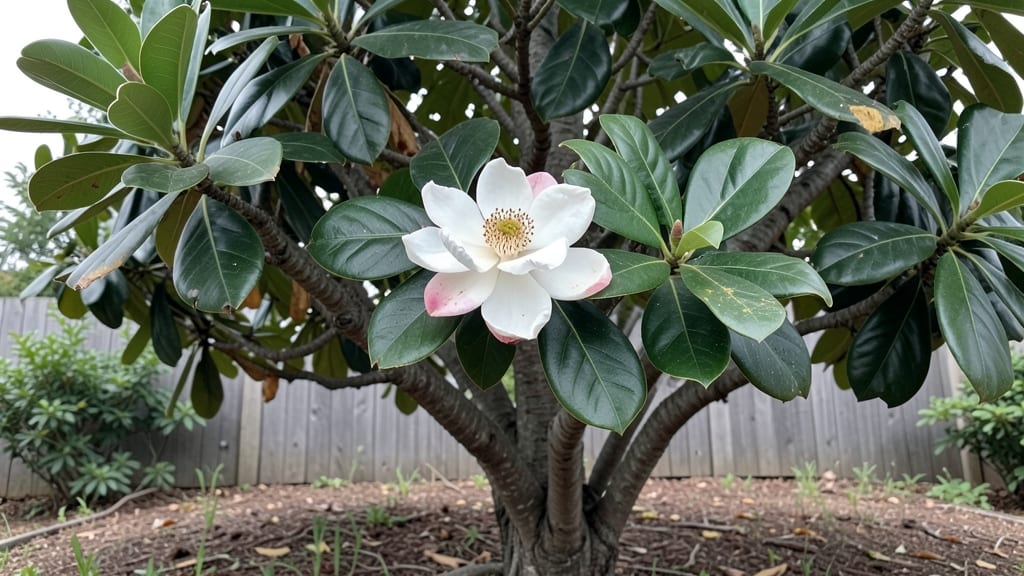
Before you plant, learn how tall magnolia trees grow—from compact 8-foot shrubs to majestic 80-foot giants—so you pick the perfect variety for your yard.
Picture this: A Southern magnolia reaching 60 feet in your front yard, its massive leaves casting shade over your patio, while a dwarf star magnolia stays neatly contained at 10 feet, perfect for small gardens. The difference comes down to species, soil, and a little patience.
Fast-growing varieties like the saucer magnolia can add 2 feet per year, while slower growers like the Japanese magnolia take decades to reach their full height. I’ll break down the exact ranges, growth rates, and how to control size if you want a smaller statement tree.
Ready to pick the perfect magnolia for your space? Here’s how to match your yard’s size to the right tree — and avoid the heartbreak of a too-big beauty.


Magnolia tree height by variety: from dwarf to giant sizes
Choosing a magnolia tree often comes down to one key question: how tall will it grow? The answer depends entirely on the variety you select. Some magnolias stay small enough for urban gardens, while others become towering giants that require acres of space.
Understanding these differences helps you pick the perfect tree for your landscape.
Magnolias are divided into distinct categories based on size: dwarf varieties (under 15 feet), semi-dwarf varieties (15-25 feet), and standard varieties (30-80 feet). Each group offers unique benefits—whether you want a low-maintenance shrub or a dramatic focal point. Let’s explore the height ranges and growth habits of popular magnolia types.
If you’re limited on space, dwarf magnolias like Magnolia 'Black Tulip' or Magnolia 'Centennial' are excellent choices, topping out at just 8–12 feet. These varieties grow slowly, making them ideal for containers or small yards. Their compact size also means they require less pruning and maintenance over time.
For a medium-height magnolia, saucer magnolias and star magnolias strike a balance. Saucer magnolias like Magnolia × soulangeana reach 15–25 feet and bloom in early spring, while star magnolias (Magnolia stellata) stay slightly shorter at 10–15 feet but burst with fragrant white flowers.
Both are perfect for adding seasonal interest without overwhelming your landscape.
On the other end of the spectrum, Southern magnolias (Magnolia grandiflora) are the giants of the group, soaring to 60–80 feet at maturity. These evergreen trees grow rapidly—up to 2 feet per year—and are best suited for large properties or as shade trees.
Their glossy, dark leaves and iconic football-sized flowers make them a statement piece, but they’ll need plenty of room to thrive.
If you love the Southern magnolia’s look but want a smaller alternative, consider Magnolia grandiflora 'Little Gem'. This semi-dwarf variety grows to just 20–25 feet while retaining the classic evergreen foliage and fragrant blooms. It’s a fantastic compromise for medium-sized yards.
Another tall but manageable option is the cucumbertree magnolia (Magnolia acuminata), which reaches 40–60 feet but grows at a slower rate than Southern magnolias.
Its unique, cucumber-shaped fruit and yellow flowers add visual interest, making it a great choice for woodland gardens or as a specimen tree in larger spaces.
When planning your magnolia’s growth, remember
How fast do Magnolia trees grow? Growth rate by type
Magnolia trees vary wildly in growth speed, with some reaching maturity in 10 years while others take 30+ years to reach their full height.
The key factor is the variety—star magnolias like Magnolia stellata shoot up 12-24 inches per year, while Southern magnolias (Magnolia grandiflora) grow a more modest 6-12 inches annually. Understanding these rates helps you plan for shade, space, and long-term care.
Your climate zone also plays a huge role. In USDA Zones 7-9, magnolias thrive with 12-24 inches of growth per year during their prime years (ages 5-20). Cooler zones like Zone 5-6 may see 50-70% slower growth until temperatures stabilize in spring.
Even within the same species, a tree in full sun can outpace one in partial shade by 30-50%.
Soil quality is another game-changer. Well-draining, acidic soil (pH 5.0-6.0) fuels faster growth, while clay-heavy or alkaline soils can stunt a magnolia by up to 40%. Amending soil with compost or peat moss before planting can shave 3-5 years off maturity timelines.
I’ve seen dwarf varieties like Magnolia 'Black Tulip' hit 8 feet in 10 years with ideal conditions, while neglected trees of the same variety may take 15+ years.
To estimate when your magnolia will reach mature height, multiply its annual growth rate by the years to maturity for its type.
For example, a Magnolia stellata growing 18 inches/year will hit 15 feet in ~10 years, while a Magnolia grandiflora at 8 inches/year takes 20+ years to reach 20 feet.
I track my trees’ growth with a measuring tape in spring—this helps adjust pruning or fertilizing plans before overgrowth becomes an issue.
Pruning young magnolias can boost growth by 20-30% by removing competing branches and encouraging a strong central leader. However, avoid heavy pruning after age 10, as magnolias produce flower buds on old wood.
My Magnolia 'Jane' (a semi-dwarf) now grows 15 inches/year thanks to annual spring pruning and balanced fertilizer—proof that even slower varieties can speed up with the right care.
If you’re planting near power lines or sidewalks, choose dwarf or semi-dwarf varieties like Magnolia 'Nigra' (15 feet max) or Magnolia 'Elizabeth' (12 feet max). These stay compact without sacrificing flowers.
For fast shade, opt for Magnolia 'Ann' (20 feet in 15 years) or Magnolia 'Black Beauty' (15 feet in 10 years). Always check the nursery tag for mature height estimates—they’re your best predictor of long-term growth.