Blooming
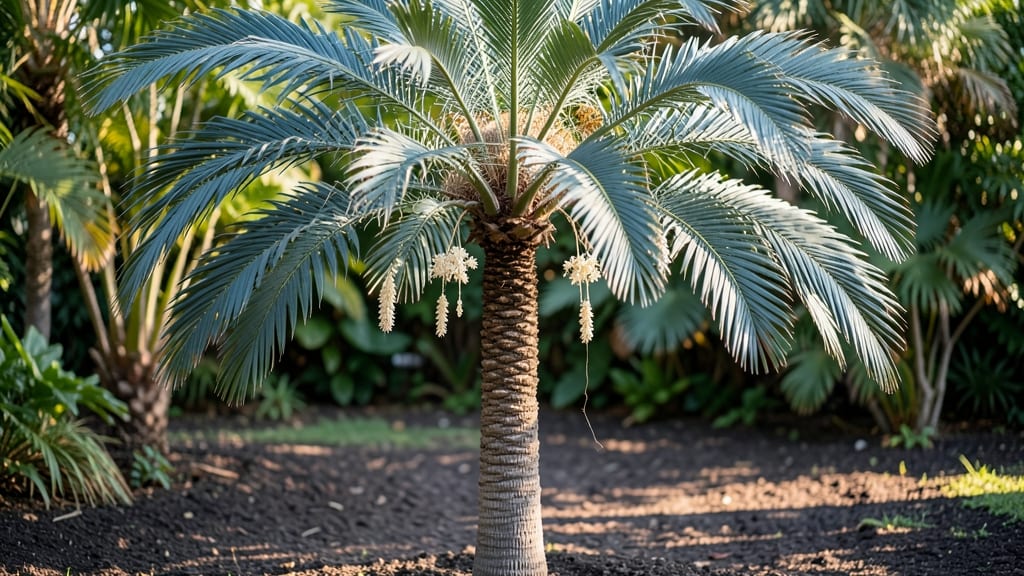
Understanding how long palm trees take to grow reveals a fascinating range—from 5 to 20 years—where species, environment, and care all play pivotal roles. Dwarf palms may reach maturity in just 5-10 years, while giants like the coconut palm can take two decades or more to fully develop.
Palm trees aren't just slow-growing giants—they're living timelines shaped by where and how you grow them. 🌿 In tropical climates, palms often mature faster due to year-round warmth and consistent sunlight, while colder regions can stretch their growth timeline by months or even years.
For example, a Mediterranean fan palm might gain 3 feet per year in ideal conditions, while a coconut palm in cooler zones could take nearly twice as long to reach similar heights. The key difference?
Nutrient-rich soil and regular watering can accelerate growth by up to 30%, making all the difference between a decade-long wait and a shorter one.
What's interesting is how genetics come into play—some species are naturally faster growers, like the windmill palm, which can add 4-5 feet annually when given proper care. Meanwhile, others like the majestic royal palm prioritize height over speed, taking their sweet time to develop that iconic crown.
If you're planning a landscape project, choosing the right species for your climate isn't just about aesthetics—it's about managing your patience (and your yard's future).
💡 In This Article
- Factors Influencing Palm Tree Growth Speed
- Fastest-Growing Palm Tree Species for Landscaping
Factors influencing palm tree growth speed
Climate is the single biggest factor in palm tree maturation, with tropical regions providing the perfect conditions for rapid growth. In areas like Hawaii or Florida, where temperatures stay consistently above 68°F year-round, palms can grow 3-5 feet annually due to uninterrupted photosynthesis.
The key mechanism here is the lack of seasonal dormancy—palms in these zones keep producing new fronds continuously, unlike their subtropical counterparts that slow down in winter months. 🌴
Soil quality directly impacts nutrient uptake, which determines how quickly a palm can convert sunlight into growth. Sandy soils, common in coastal regions, drain water rapidly but often lack essential minerals like magnesium and potassium.
Amending with 2-3 inches of compost can boost growth rates by 20-30%, while nutrient deficiencies—like yellowing fronds from iron deficiency—can stall development for months. The root system of a palm tree spreads horizontally, so well-draining but fertile soil is critical for supporting both height and stability.
Water access creates another critical bottleneck. While palms are drought-tolerant once established, young trees need 1-2 inches of water weekly during their first 2-3 years.
In arid climates, supplemental irrigation can mean the difference between a palm reaching 10 feet in 5 years versus 5 feet in the same timeframe. The trade-off? Overwatering in heavy clay soils leads to root rot, which permanently stunts growth by blocking oxygen absorption.
Genetics play a surprising role in growth speed variations. The Mediterranean fan palm (Chamaerops humilis) matures in 5-7 years to its 10-15 foot maximum height because its compact growth habit prioritizes early reproductive maturity.
In contrast, the coconut palm (Cocos nucifera) allocates energy toward vertical growth first, taking 15-20 years to reach 60-100 feet. This biological trade-off explains why some palms look mature early (full fronds) while others remain "twiggy" for decades before developing their iconic crowns.
Seasonal variations create dramatic differences between subtropical and tropical growth. In USDA Zone 9 (like Southern California), palms may grow 2 feet per year in summer but only 1 inch in winter when temperatures dip below 50°F.
The cold shock triggers metabolic slowdowns similar to how deciduous trees prepare for dormancy. Meanwhile, in Zone 11 (Hawaii), growth remains steady because the lack of winter chill prevents this biological brake from engaging.
Here's what most gardeners don't realize: The first 3 years of a palm's life determine 80% of its final height potential. During this critical period, proper care can accelerate growth by creating stronger structural roots.
For example, staking young palms in windy coastal areas prevents energy loss from constant movement, allowing them to allocate more resources to upward growth instead of stabilizing their trunks.